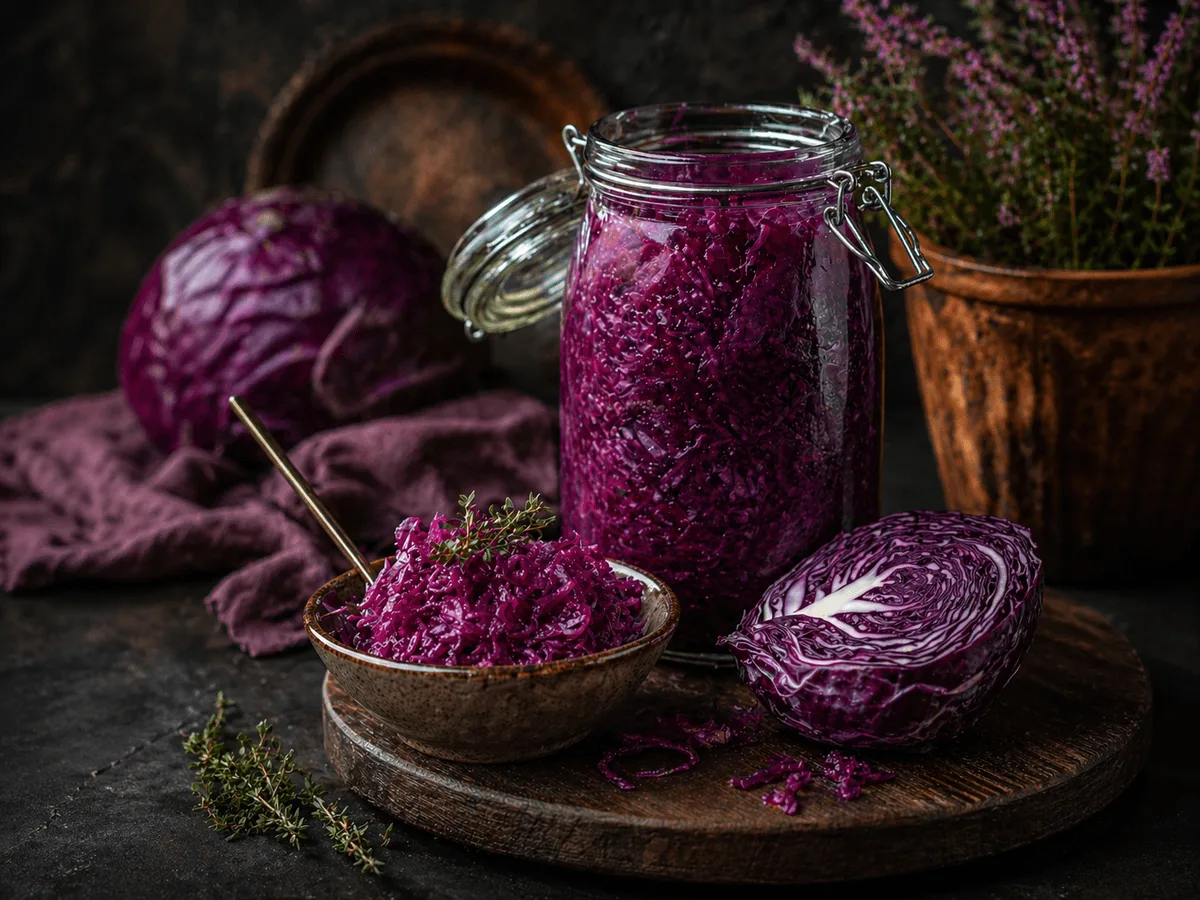
Fermented foods
Fermented vegetables: what the science says, how to prepare them, and when to eat them
Vegetables fermented by lactic acid bacteria, with evidence from randomized clinical trials on microbiota, bioactive composition and safe preparation at home.
Published April 2026
Fermented vegetables have existed for thousands of years, and science is only beginning to explain why they work. Fermentation follows a well-described microbial succession: heterofermentative bacteria like Leuconostoc mesenteroides start the process, tolerate less acid, and acidify the medium to below pH 4.5; they’re then replaced by more acid-resistant homofermentative bacteria, mainly Lactiplantibacillus plantarum, which dominate the final phase and lower the pH to the 3.4 to 3.7 range (Ampemohotti et al., 2025). A citizen-science study with 75 samples of homemade fermented vegetables confirmed this same signature in the real world: a median pH of 3.56, no pathogenic bacteria, and dominance of Lactiplantibacillus and Levilactobacillus in virtually every sample, regardless of the vegetable used (Thierry et al., 2023).
This process chemically transforms the food: it reduces carbohydrate content, consumed by the bacteria as an energy source, increases free phenolic compounds and antioxidant capacity, and raises the bioavailability of minerals like iron and B-vitamins like folate (Ampemohotti et al., 2025). The result is a food different from the raw vegetable: more bioavailable, with new active compounds, and with real potential to interact with the gut microbiota.
In the current context, these foods gain relevance for their ability to interact with the gut ecosystem. Unlike dairy ferments like yogurt and cheese, produced with defined starter cultures, fermented vegetables carry native, complex microbial communities within a fiber matrix that protects these bacteria during digestion, prolonging contact with the gut lining (Kim et al., 2026). Their value lies in the combination of multiple functional components:
- Fiber and polyphenols that feed the microbiota
- Bioactive metabolites generated during fermentation
- A contribution to microbial diversity
When properly prepared, they show high microbiological safety, a result of the acidification that inhibits unwanted microorganisms. Incorporated into a dietary pattern based on minimally processed foods, they become a sound choice for promoting gut balance and metabolic health.
Step-by-step: safe homemade sauerkraut
Ingredients
- 1 kg of fresh cabbage
- 2 level tablespoons of additive-free salt
- A clean glass jar
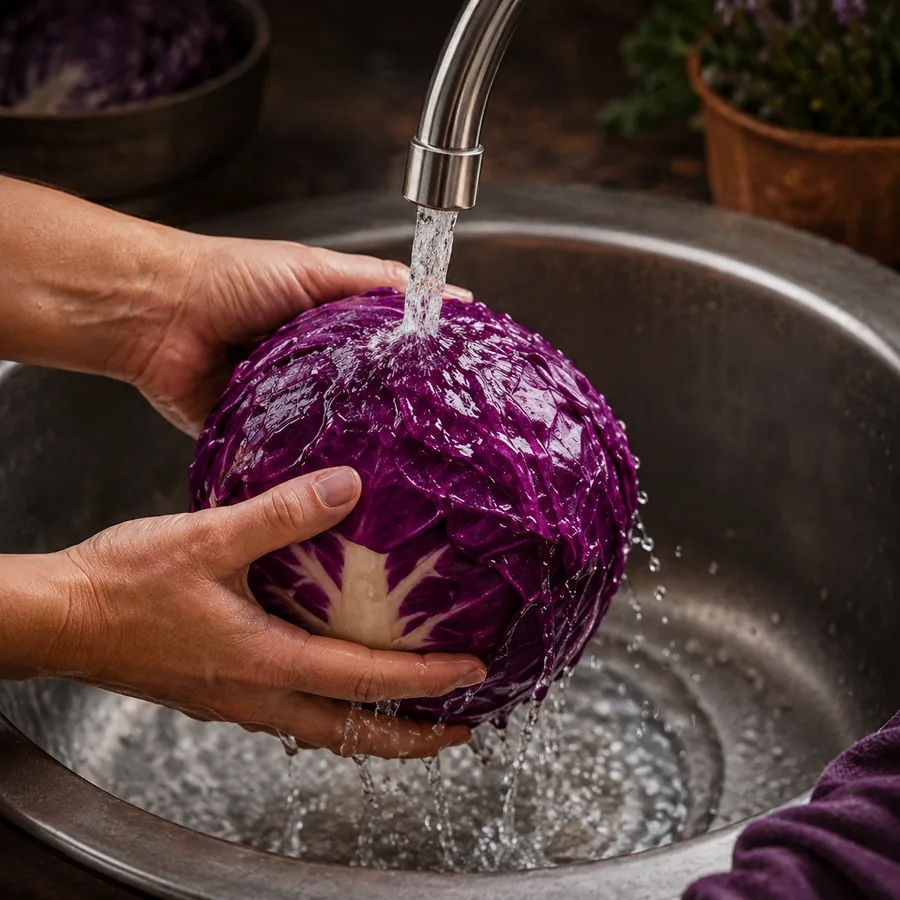

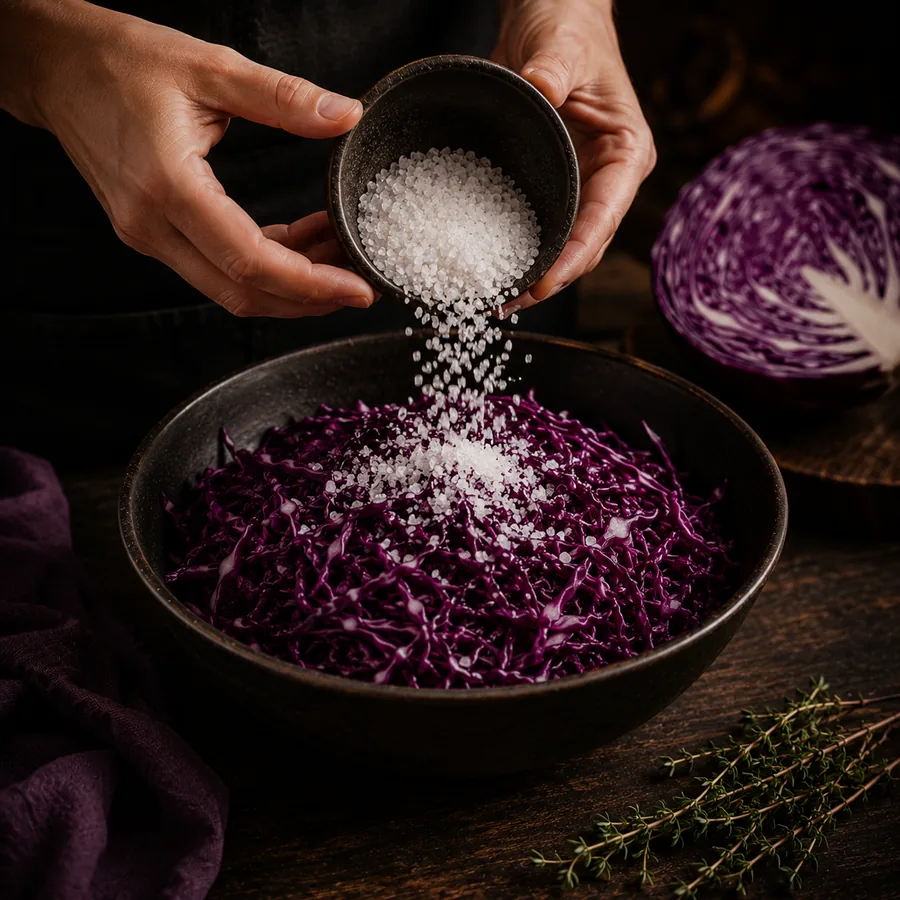
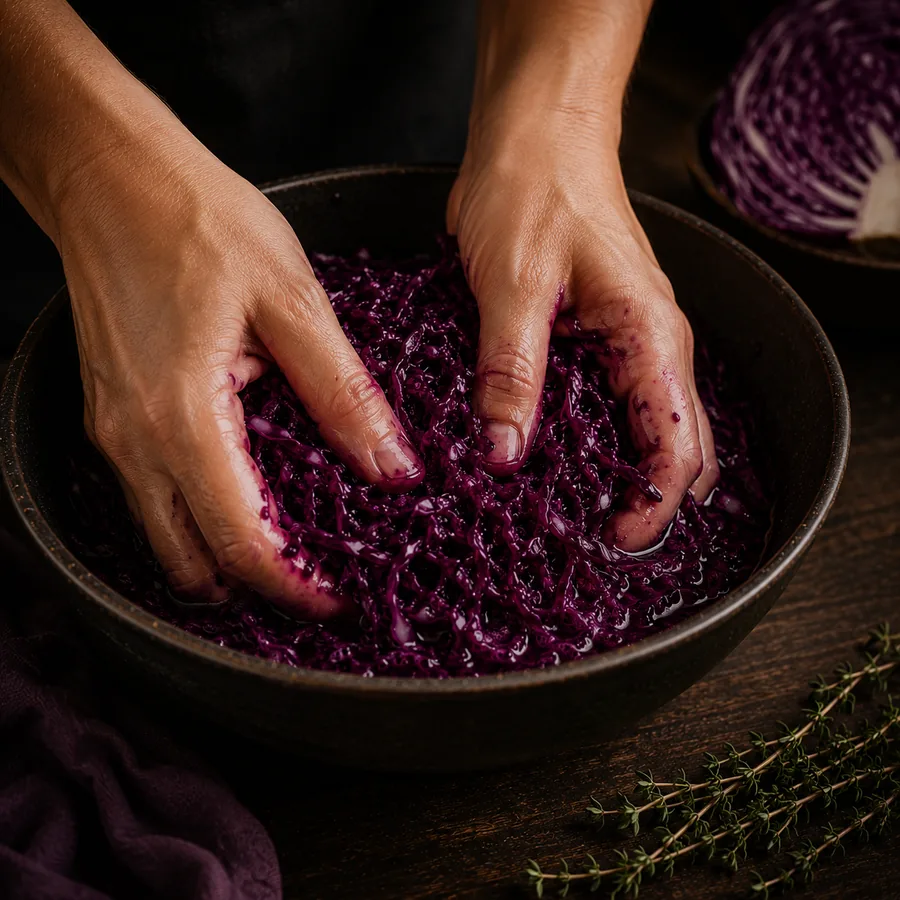
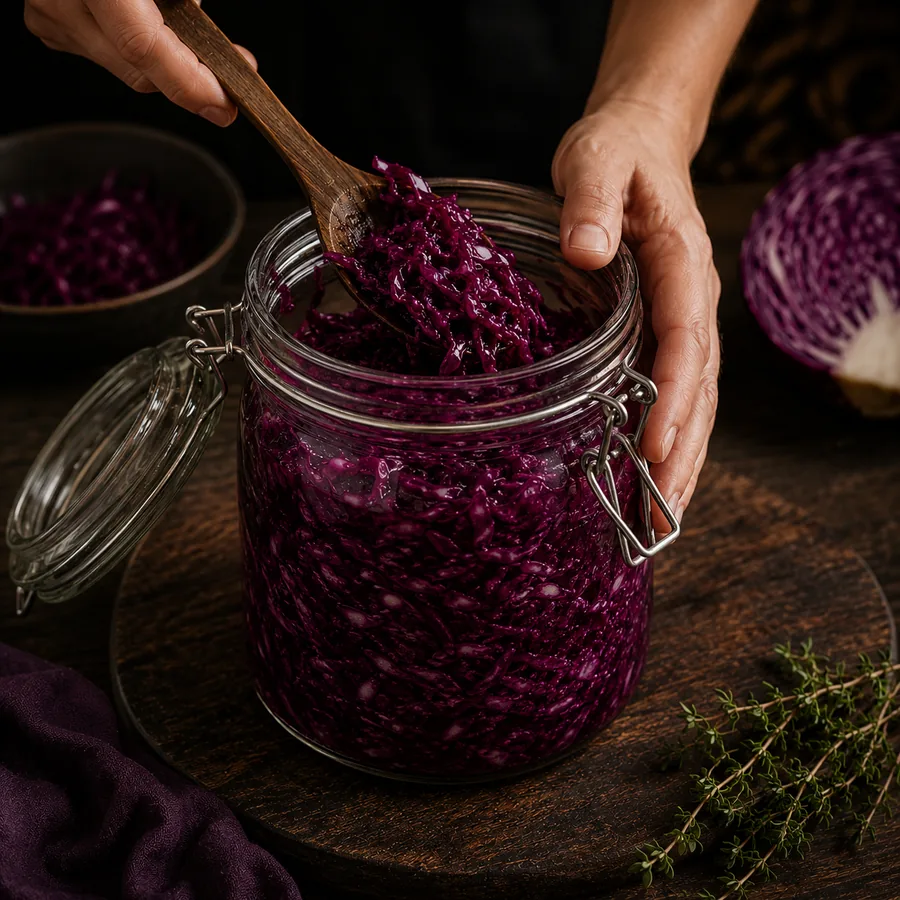

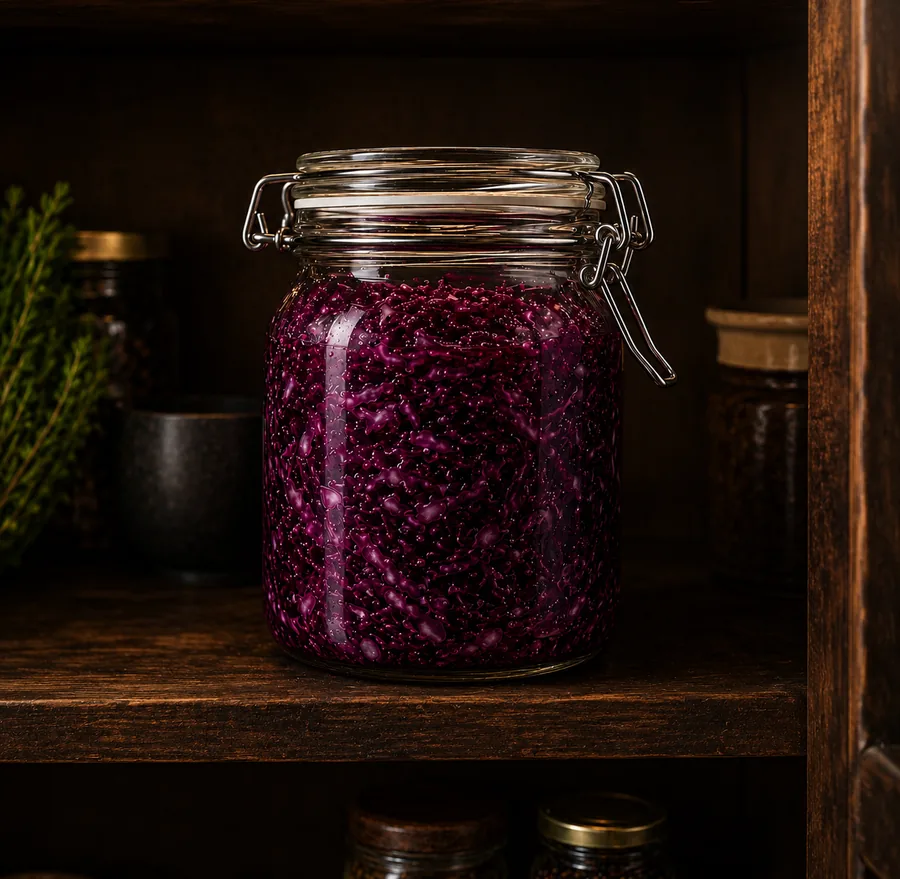
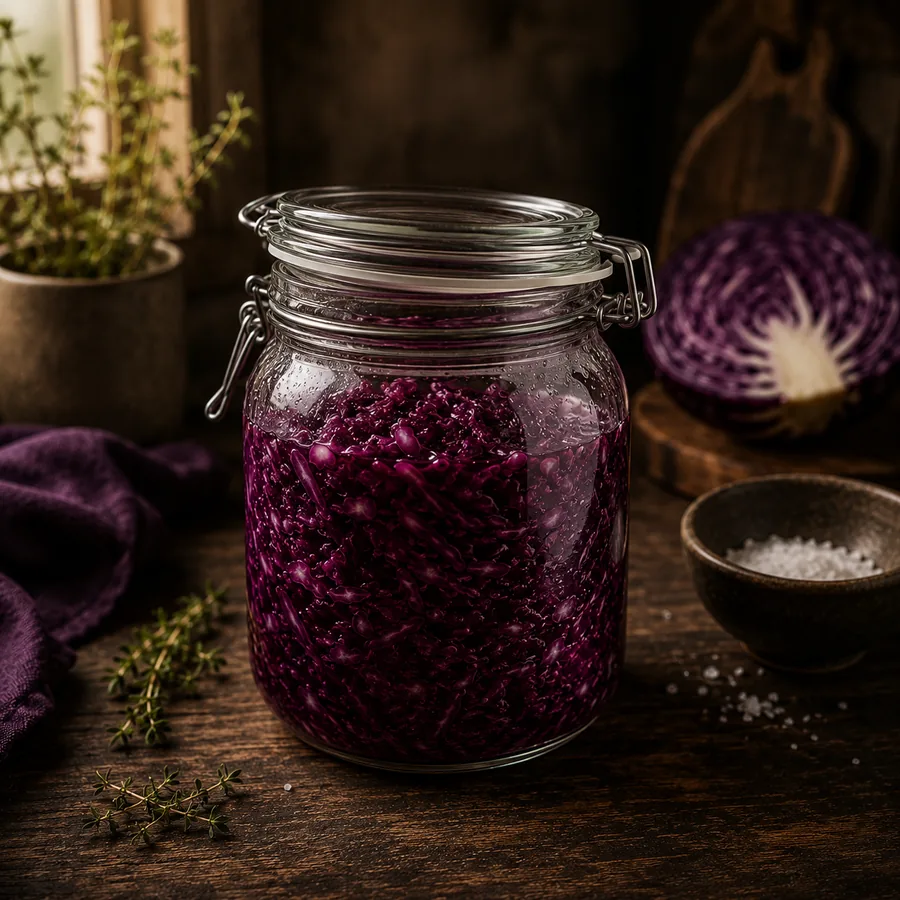
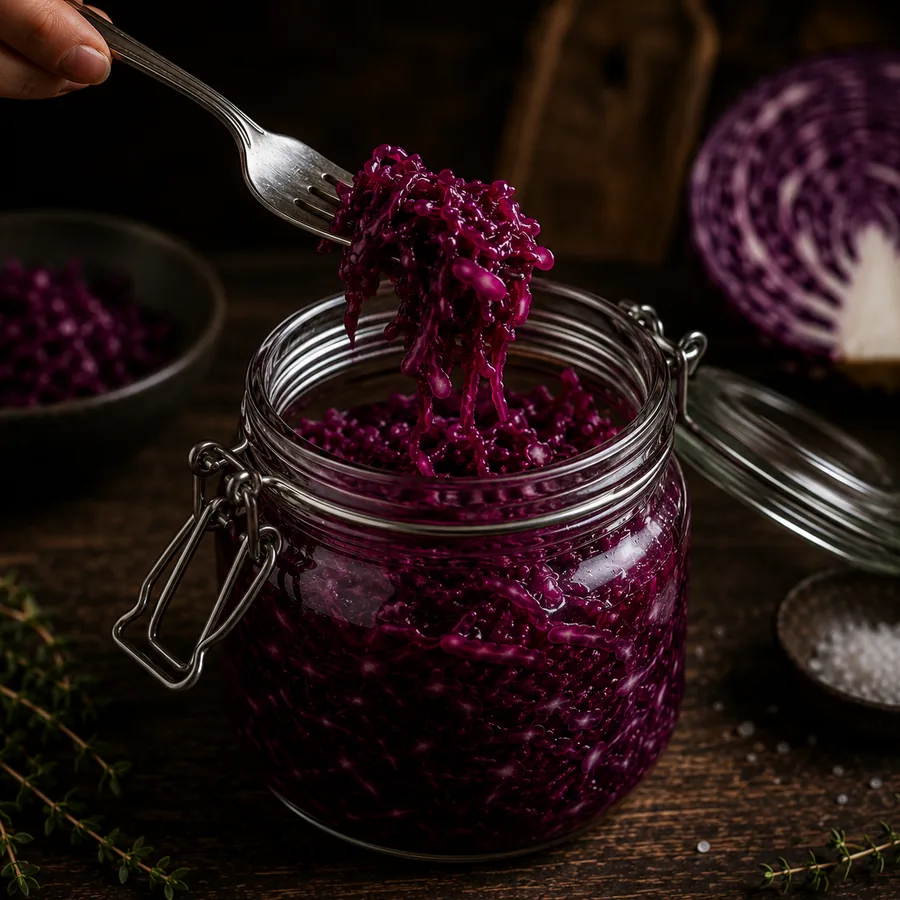
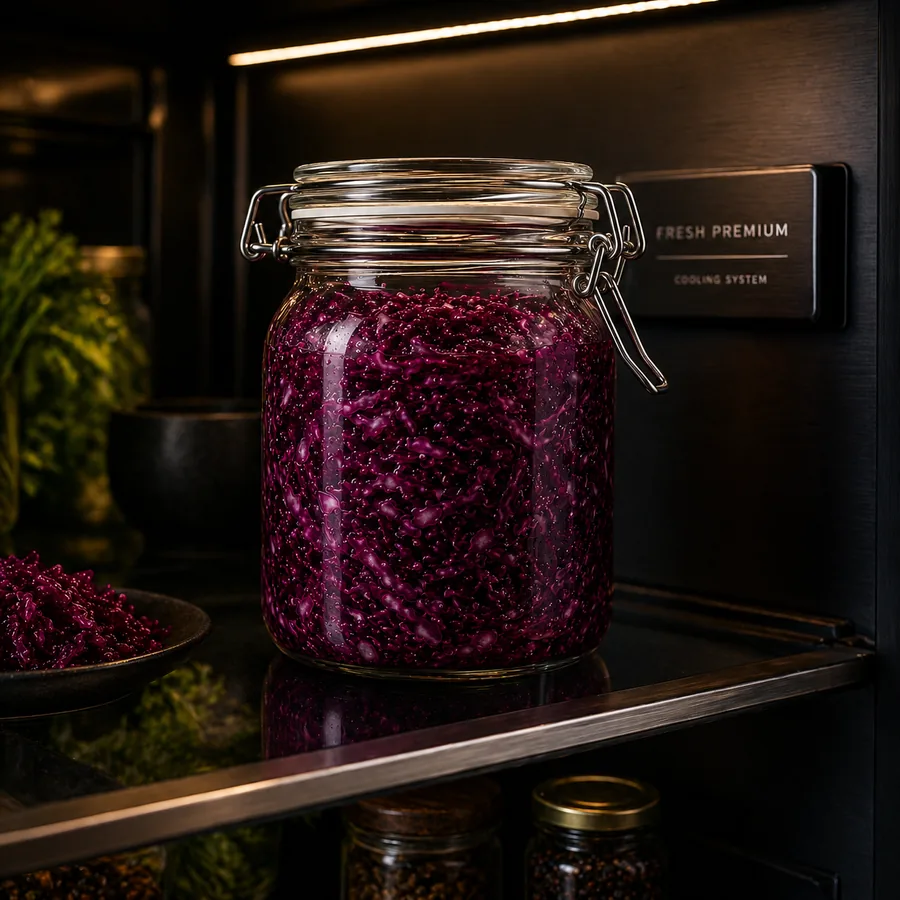
You can add carrot, radish, beet, garlic, ginger, honey, chili and turmeric. Keep the salt ratio based on total weight.
Traditional kimchi: uses napa cabbage, radish, garlic, ginger, chili and brine.
Who can eat it, and who should be cautious or avoid it
Who can eat it
- Healthy adults can include 1 to 2 tablespoons a day.
- It works well for people who already tolerate fiber and acidic foods.
- A good option for diversifying the bacteria and bioactives in the daily routine.
Who should be cautious or avoid it
- Sodium restriction, hypertension, kidney disease or heart failure - sauerkraut and other ferments tend to have a fair amount of salt, and reducing the recipe's amount without a validated method compromises fermentation safety.
- Immunosuppressed people, high-risk pregnancies, frail older adults, or oncology patients in treatment - live, unpasteurized foods carry more microbiological variability.
- Irritable bowel, histamine sensitivity, reflux, active gastritis, or migraine - acids, gases and biogenic amines can trigger symptoms.
- Young children - the microbiological variability of home production calls for caution.
Clinical evidence and microbiota modulation
The most robust clinical trials published so far on fermented foods have been confirming, with increasingly rigorous designs, what observational studies already suggested:
- In the Stanford randomized clinical trial (Wastyk et al., 2021), 36 healthy adults followed a diet rich in varied fermented foods (yogurt, kefir, kimchi, kombucha, brined vegetables) for 17 weeks. Only this group, not the group that simply increased fiber, showed a sustained increase in gut microbiota diversity and a reduction in 19 blood inflammatory markers, including IL-6.
- In the largest clinical trial ever done specifically with sauerkraut, 87 participants consumed 100g/day for 4 weeks in a crossover design (Schropp et al., 2025; Schropp et al., 2026). Daily consumption modestly reduced systolic blood pressure (1.5 to 2.5 mmHg), an effect present in both the fresh and pasteurized versions (Schropp et al., 2026).
- In that same trial, pasteurized sauerkraut, even without live bacteria, increased short-chain fatty acids in the blood more than the fresh version (Schropp et al., 2025), reinforcing that part of the benefit comes from compounds generated during fermentation, not just from live bacteria.
Literature reviews also document other benefits, coming mostly from observational studies and smaller trials, so they deserve to be highlighted separately, with the source for each:
- Good digestive tolerance and high adherence to regular consumption: in the sauerkraut trial, between 90% and 95% of participants reported satisfaction with the product, with no significant change in bowel habits (Schropp et al., 2025).
- Improvement in symptoms like constipation and irritable bowel syndrome: consumption of lacto-fermented sauerkraut relieved irritable bowel syndrome symptoms, with measurable changes in the microbiota, regardless of whether the product was pasteurized or not (Nielsen et al., 2018). Kimchi is associated with a reduction in Firmicutes, an increase in Bacteroidetes and short-chain fatty acids, and a lower risk of irritable bowel syndrome (Ampemohotti et al., 2025).
- Favorable effects on glucose and lipid metabolism: people who regularly consume fermented foods have higher concentrations of conjugated linoleic acid in the metabolome, a compound with properties associated with metabolic health (Taylor et al., cited in Ampemohotti et al., 2025).
These three points come mainly from observational studies and smaller trials, complementing the randomized clinical trials cited above with a broader picture of the benefits documented in the literature. A conceptual point, rarely discussed outside scientific circles, helps interpret these findings: not every fermented vegetable with live bacteria is, technically, a probiotic. By the criteria of the World Health Organization, the FAO and the ISAPP, a probiotic requires a genetically identified bacterial strain, a known effective dose, and a proven clinical benefit, criteria that most spontaneous ferments, including traditional homemade sauerkraut, don’t meet (Ampemohotti et al., 2025). This doesn’t invalidate the benefits described above; it just means they can’t be promised with the same precision as a registered probiotic tested in isolation.
In already-healthy adults, overall microbiota diversity changes little over 4 to 6 weeks of consuming a single fermented food. This is consistent with the concept of microbiota resilience described by Sommer et al. (2017): a microbial ecosystem built over years of dietary habits tends to resist and recover quickly from short-term disruptions, which is a sign of balance, not that the food doesn’t work. Sommer et al. (2017) describe this resilience with two concepts borrowed from ecology: a healthy microbiota has “latitude,” meaning a margin to absorb a disruption without leaving equilibrium, and it stays far from its “threshold of no return,” the point beyond which the system shifts to a new state. Because of this, a month of poor diet, a course of antibiotics, or an infection doesn’t dismantle overnight an ecosystem built over decades of habits. The same logic works in reverse: an already-established dysbiosis can also be resilient and hard to reverse, which reinforces why habits like consuming fermented foods work better as ongoing maintenance than as a one-time fix.
A practical question follows from this: is it worth consuming fermented foods, or even a probiotic, if the base diet is low in fiber? The available evidence suggests not fully. In the Stanford trial, the group that increased only fiber had a heterogeneous inflammatory response, and that response depended on baseline microbiome diversity: participants with lower diversity before the intervention tended to show more inflammatory profiles afterward, and the authors hypothesize that a microbiome already depleted by industrialized diets may not have enough fermentative capacity to take advantage of a sudden increase in fiber (Wastyk et al., 2021). In the sauerkraut trial, a similar pattern appeared: participants who already consumed more fiber day to day were the ones who showed the most consistent reduction in inflammatory markers and blood pressure (Schropp et al., 2026). In other words, fiber (a prebiotic) and fermented foods seem to work better together, one preparing the ground for the other, than in isolation. The pilot trial with sauerkraut in patients with irritable bowel syndrome reached a similar conclusion: symptom improvement occurred with both the pasteurized and the unpasteurized product, and the authors attributed the effect more to the prebiotics present in the sauerkraut than to the live bacteria themselves (Nielsen et al., 2018).
In summary, fermented vegetables modulate the gut microbiota, reduce inflammatory markers, and improve digestive symptoms, acting on at least three communication axes in the body. The gut-brain axis, through the production of GABA and other metabolites that influence mood and stress response (Shawky et al., 2025). The oral-gut axis, since species typical of fermented foods appear more frequently in both the oral and gut microbiota of people who consume them (Kim et al., 2026). And the microbiota-immune system axis, through the measurable reduction of circulating inflammatory cytokines observed in a clinical trial (Wastyk et al., 2021). These effects are more consistent when fermented foods are incorporated regularly and consistently into the dietary routine, not as a one-time intervention.
Bioactive compounds and potential mechanisms
Fermentation by lactic acid bacteria transforms the vegetable’s chemical profile, generating a matrix with:
- Polyphenols and flavonoids from the base vegetable: fermentation breaks down chemical bonds that held these compounds within the vegetable’s structure, releasing them and increasing their bioavailability and antioxidant activity. In fermented bamboo shoots, phenolic content nearly doubled (from 29 to 42mg per 100g); in carrots fermented in reused brine, the increase reached 48% in 14 days. Kimchi made with purple cabbage showed 3 to 25 times more antioxidant activity than regular kimchi, depending on the test used (Ampemohotti et al., 2025).
- Organic acids, mainly lactic acid: produced by the bacteria themselves as they ferment the vegetable’s sugars, they lower the pH of the food and, by extension, of the gut environment, contribute to barrier integrity, and compete with unwanted microorganisms for space and nutrients. It’s this same process that, by acidifying the food to below pH 4.6, ensures its microbiological safety (Thierry et al., 2023).
- GABA and other microbial metabolites with potential neuroactive effects: strains found in kimchi and sauerkraut, like Lactiplantibacillus plantarum, Levilactobacillus brevis and Leuconostoc mesenteroides, produce GABA, the main inhibitory neurotransmitter of the nervous system, associated with reduced anxiety. Other species, like Bifidobacterium infantis, increase the availability of tryptophan, a precursor of serotonin, about 90% of the body’s serotonin is produced in the gut (Shawky et al., 2025).
- Vitamins K2, B12 and folate in variable amounts: produced by microbial activity during fermentation. In kimchi, folate is produced mainly by Lactobacillus sakei (Ampemohotti et al., 2025). Fermented soy foods are cited as a culturally relevant source of vitamin B12 in predominantly plant-based diets (Rockström, Thilsted, Willett et al., 2025).
- Live microorganisms (Lactiplantibacillus, Levilactobacillus, Leuconostoc, Pediococcus, Bifidobacterium): they arrive alive in the gut and modulate microbiota composition, gut barrier and immune response. It’s worth remembering that “live” isn’t synonymous with “probiotic”: to technically earn that name, the strain needs to be genetically identified, have a known effective dose, and a proven clinical benefit, a criterion most spontaneous ferments don’t meet (Ampemohotti et al., 2025).
- Postbiotics: even bacteria inactivated by fermentation, pasteurization or digestion leave behind components and metabolites with their own biological activity. The ISAPP (International Scientific Association for Probiotics and Prebiotics) defines a postbiotic as a preparation of inanimate microorganisms and/or their components that confers a health benefit on the host (Gill & Staudacher, 2023). That’s why pasteurized sauerkraut, without live bacteria, still raises short-chain fatty acids in the blood (Schropp et al., 2025), and why heat-inactivated Bifidobacterium bifidum has already been shown to improve gastrointestinal symptoms in patients with irritable bowel syndrome (Gill & Staudacher, 2023).
- Structural fiber matrix: in fermented vegetables, bacteria and metabolites are held within a fibrous matrix that protects them during digestion, prolonging contact with the gut lining in a way that liquid or dairy ferments, made with defined starter cultures, can’t replicate (Kim et al., 2026).
The table below details, point by point, what the literature documents about postbiotics:
| Topic | Key scientific information | Original phrase from the article | Reference |
|---|---|---|---|
| Postbiotics | Postbiotics are defined by the ISAPP as preparations of inanimate (dead) microorganisms and/or their components, capable of conferring a benefit on the host’s health. | ”The most recent consensus statement from the International Scientific Association for Probiotics and Prebiotics defines a postbiotic as a preparation of inanimate microorganisms [dead] and/or their components that confers a health benefit on the host.” | Gill & Staudacher, 2023 |
| Fermented foods as a source of postbiotics | Fermented foods are important dietary sources of postbiotics, containing dead bacteria, live microorganisms, and metabolites generated during fermentation. | ”Fermented foods are major sources of dietary postbiotics, often containing a mixture of dead bacteria and live probiotic organisms, and bacterial metabolites, such as phenolic compounds and short-chain fatty acids.” | Gill & Staudacher, 2023 |
| Composition of fermented foods | Fermented foods contain live microorganisms, such as Lactobacillus and Bifidobacterium, as well as bacterial metabolites, phenolic compounds and short-chain fatty acids. | ”a mixture of dead bacteria and live probiotic organisms (for example, Lactobacillus and Bifidobacterium), and bacterial metabolites, such as phenolic compounds and short-chain fatty acids.” | Gill & Staudacher, 2023 |
| Fermentation | Fermentation is a controlled microbial growth process, traditionally used to preserve foods like yogurt, cheese and kefir. | ”Fermentation, a process that uses controlled microbial growth, has traditionally been used to preserve foods, such as milk (yogurt, cheese and kefir).” | Gill & Staudacher, 2023 |
| Food preservation | During fermentation, compounds form that create an environment capable of inhibiting unwanted bacterial growth. | ”This process generates compounds that create an environment that inhibits bacterial growth, ultimately leading to bacterial death and the formation of postbiotics.” | Gill & Staudacher, 2023 |
| Individual composition of each fermented food | Each type of fermented food contains its own combination of compounds, with different potential effects on the gut microbiota and the host. | ”each type of fermented food contains a unique and complex mixture of different compounds, each with properties that uniquely impact the gut microbiota and the host.” | Gill & Staudacher, 2023 |
| Gut barrier and immunity | Postbiotics and other active components of fermented foods interact with the gut microbiota, immune cells and colonic epithelial cells, contributing to the regulation of gut permeability and immune homeostasis. | ”postbiotics and other active components in fermented foods may interact with the resident gut microbiota and with colonic immune and epithelial cells to help regulate gut permeability and maintain immune homeostasis.” | Gill & Staudacher, 2023 |
| Constipation | In a pilot study, 4 weeks of kefir consumption improved bowel function in patients with constipation. | ”consumption of kefir for 4 weeks improved bowel function in patients with constipation in a pilot study.” | Gill & Staudacher, 2023, citing Turan et al., 2014 |
| Irritable bowel syndrome | In patients with irritable bowel syndrome, heat-inactivated Bifidobacterium bifidum was associated with improved gastrointestinal symptoms. | ”the benefits of fermented foods may be driven by postbiotic bacteria, such as Bifidobacterium bifidum, which have been shown to improve gastrointestinal symptoms when supplemented in a heat-inactivated form.” | Gill & Staudacher, 2023 |
| Short-chain fatty acids | Short-chain fatty acids derived from fermented foods enter peripheral circulation, with potential effects beyond the gut. | ”As SCFAs derived from bacteria in food products enter peripheral circulation, consumption of postbiotics may also have benefits beyond the gut.” | Gill & Staudacher, 2023 |
| Acetate and metabolism | Acetate supplementation reduced fasting glucose and triglycerides in people with type 2 diabetes. | ”Dietary supplementation with the SCFA acetate reduces fasting blood glucose and triacylglycerol concentrations in people with type 2 diabetes.” | Gill & Staudacher, 2023 |
| Fermented foods and inflammatory cytokines | High intake of fermented foods for 10 weeks reduced inflammatory cytokines in healthy people. | ”large intakes of fermented foods over 10 weeks can reduce inflammatory cytokines.” | Gill & Staudacher, 2023, citing Wastyk et al., 2021 |
| SCFA-producing diets | Diets with high short-chain fatty acid production for 3 weeks reduced circulating lymphocyte populations. | ”following high-SCFA-producing diets for 3 weeks may decrease lymphocyte populations.” | Gill & Staudacher, 2023 |
| Anti-inflammatory potential | Postbiotics, short-chain fatty acids and fermented foods together have a potential anti-inflammatory effect. | ”Taken together, these studies highlight the potential anti-inflammatory effects of postbiotics and fermented foods.” | Gill & Staudacher, 2023 |
| Characterizing postbiotics | For a product to be classified as a postbiotic, its molecular or genetic composition needs to be known, and its safety for human use needs to be demonstrated. | ”ISAPP guidelines explicitly state that the molecular or genetic composition of a product must be known and safe for human use for the product to be classified as a postbiotic.” | Gill & Staudacher, 2023 |
| Scientific direction | Identifying postbiotics and individual metabolites in fermented foods is the path to understanding absorption, biological action, frequency of consumption and clinical relevance. | ”Understanding how these compounds are absorbed and behave biologically is necessary to determine how often they should be consumed for meaningful potential health benefits.” | Gill & Staudacher, 2023 |
From a mechanistic standpoint, these components are associated with:
- Modulation of the gut microbiota and production of short-chain fatty acids (acetate, propionate and butyrate), which bind to receptors on gut and immune cells, stimulating regulatory T cells and reducing inflammation (Kim et al., 2026)
- An antioxidant effect and reduced oxidative stress, documented both by the increase in phenolic compounds and by the antioxidant activity of the lactic acid bacteria themselves (Ampemohotti et al., 2025)
- Modulation of inflammatory pathways, with a measurable reduction in circulating cytokines in a clinical trial (Wastyk et al., 2021)
- Action on the gut-brain axis as possible psychobiotics, through the production of GABA and serotonin, modulation of the hypothalamic-pituitary-adrenal axis (cortisol), and stimulation of BDNF, a factor linked to neural plasticity (Shawky et al., 2025)
Much of this mechanistic evidence comes from in vitro and animal studies, which allow the role of each compound to be isolated within the complex matrix of the fermented vegetable (Ampemohotti et al., 2025; Kim et al., 2026).
This combination makes the fermented vegetable a triply functional food: it delivers prebiotic substrates (the fiber and polysaccharides of the vegetable itself), provides potentially probiotic live microorganisms, and also contributes postbiotics, the three dimensions that, together, distinguish fermented vegetables from an isolated probiotic supplement (Kim et al., 2026).
An additional mechanism, still in an early stage of research, is worth noting: a study in mice published in Nature (Liu, Reicher, Alway et al., 2025) identified a direct neural circuit between gut bacteria and the brain. Flagellin, a structural component present in most bacteria, activates TLR5 receptors in specialized gut cells, which signal satiety to the brain via the vagus nerve within minutes. Mice without this receptor ate more and gained more weight, with no associated inflammatory change. The study did not test fermented foods and was not replicated in humans, but it suggests a plausible biological pathway through which bacteria present in these foods could interact with appetite regulation.
Conclusion
Fermented vegetables have established themselves as a relevant dietary strategy for their ability to:
- Consistently modulate the gut microbiota
- Expand exposure to bioactive compounds, like organic acids, polyphenols and microbial metabolites
- Replace ultra-processed products within a dietary pattern based on real food
- Contribute to a more favorable metabolic and digestive environment
Incorporating fermented vegetables into the dietary routine is a low-cost choice, accessible to prepare, with growing scientific support, especially when integrated into a dietary pattern based on real food and guided by a professional who knows your context.
International and Brazilian guidelines recommend prioritizing fresh and minimally processed foods and reducing ultra-processed foods as part of a healthy dietary pattern. The 2025 EAT-Lancet Commission, the largest global analysis ever done on healthy, sustainable diets, reinforces this point by explicitly classifying fermentation, as in the preparation of yogurt, kimchi or sauerkraut, as minimal processing that preserves and expands nutrient bioavailability, unlike the ultra-processing associated with health harms.
- World Health Organization (WHO): Healthy diet - fact sheet
- Harvard T.H. Chan School of Public Health: Healthy Eating Plate
- Brazilian Ministry of Health: Dietary Guidelines for the Brazilian Population
References
Scientific studies
Thierry et al., 2023.Microbial communities of a variety of 75 homemade fermented vegetables. Frontiers in Microbiology. 2023;14:1323424. · Acessar fonte
Key findings
A French citizen-science study that characterized 75 samples of homemade fermented vegetables, spanning 23 types of vegetables, predominantly cabbage, followed by carrot and beet. Culturomics and 16S sequencing analysis showed that lactic acid bacteria (Lactobacillales) dominated broadly, with a median abundance of 90%, demonstrating that well-conducted home fermentation results in safe microbial communities dominated by beneficial bacteria. It reinforces the feasibility and microbiological safety of fermenting vegetables at home when the basic principles (salt, submersion, temperature) are followed.
Ampemohotti et al., 2025.Fermented vegetables: their microbiology and impact on gut microbiota and overall health benefits. Food Reviews International. 2025. · Acessar fonte
Key findings
A comprehensive review of the microbiology, biochemistry and health impact of fermented vegetables. Fermentation significantly increases the bioavailability of vitamins like B12, folate and vitamin K2, essential for metabolic, neurological and cardiovascular health, and enriches the food with prebiotics that stimulate the growth of beneficial gut bacteria. It documents antibacterial effects, improvement in constipation, anticancer properties, relief of irritable bowel syndrome, and strengthened immunity. Polyphenols and probiotics present in foods like kimchi and olives help with obesity management and glucose and lipid metabolism.
Kim et al., 2026.Fermented food microbiome: influence on oral and gut microbiota, and human health. Nature Reviews Microbiology. 2026. · Acessar fonte
Key findings
A review that introduces the concept of the fermented-food microbiome: the set of live microorganisms, substrates and metabolites that plant-based fermented foods deliver to the gut within a fiber matrix that protects these bacteria during digestion, unlike what happens with dairy ferments, produced with defined starter cultures. In an analysis of nearly 20,000 human samples from 39 countries, species typical of fermented vegetables (like Lactiplantibacillus plantarum) appeared more frequently in the oral and gut microbiota of people who consume these foods. It also describes how these microorganisms reinforce the gut barrier and modulate the immune response along the entire path from mouth to gut.
Wastyk et al., 2021.Gut-microbiota-targeted diets modulate human immune status. Cell. 2021;184(16):4137-4153.e14. · Acessar fonte
Key findings
A Stanford randomized clinical trial with 36 healthy adults over 17 weeks compared a high-fiber diet with a diet rich in varied fermented foods (yogurt, kefir, kimchi, kombucha, brined vegetables). Only the fermented-food group, not the fiber-only group, showed a sustained increase in gut microbiota diversity and a reduction in 19 blood inflammatory markers, including IL-6. The effect did not come primarily from the bacteria in the food itself, but from a reorganization of the microbial community already resident in the gut.
Schropp et al., 2025.The impact of regular sauerkraut consumption on the human gut microbiota: a crossover intervention trial. Microbiome. 2025;13:52. · Acessar fonte
Key findings
The largest clinical trial ever done specifically with sauerkraut: 87 healthy adults consumed 100g/day of fresh or pasteurized sauerkraut for 4 weeks, in a crossover design. Pasteurized sauerkraut, without live bacteria, increased short-chain fatty acids in the blood more than the fresh version, suggesting that part of the benefit comes from compounds generated during fermentation, not just from live bacteria. Neither version changed overall microbiota diversity, which the authors attribute to the natural resilience of a healthy microbiome to short-term interventions.
Schropp et al., 2026.Fermented foods and inflammation: a crossover intervention trial with fresh and pasteurized sauerkraut. European Journal of Clinical Nutrition. 2026. · Acessar fonte
Key findings
A companion article from the same 87-participant trial evaluated systemic markers: both fresh and pasteurized sauerkraut modestly reduced systolic blood pressure (1.5 to 2.5 mmHg), an effect that did not depend on the presence of live bacteria. Participants under 50 with higher fiber intake also had a reduction in glucose and inflammatory markers. The authors note that the effects were modest in already-healthy adults, with greater potential in those with some underlying metabolic or inflammatory alteration.
Shawky et al., 2025.Fermented vegetables as a source of psychobiotics: a review of the evidence for mental health benefits. Probiotics and Antimicrobial Proteins. 2025. · Acessar fonte
Key findings
Fermentation enriches vegetables like kimchi, sauerkraut and tempeh with beneficial bacteria (Lactobacillus and Bifidobacterium), highlighting the role of these psychobiotics in influencing the central nervous system. This happens through the modulation of neurotransmitters like serotonin, the reduction of inflammation, and the regulation of the stress response via the hypothalamic-pituitary-adrenal (HPA) axis. Clinical studies indicate potential for treating anxiety, depression and improving cognitive function.
Nikolova et al., 2023.Acceptability, tolerability, and estimates of putative treatment effects of probiotics as adjunctive treatment in patients with depression: a randomized clinical trial. JAMA Psychiatry. 2023;80(8):842-847. · Acessar fonte
Key findings
A randomized, double-blind, placebo-controlled clinical trial with 49 patients with major depressive disorder who had an incomplete response to antidepressants. The group that received a 14-strain probiotic (8 billion CFU per day) as an adjunct to treatment for 8 weeks had a greater reduction in depressive and anxiety symptoms than the placebo group, with good tolerability and 97.2% adherence. The authors themselves note that this is a pilot study and recommend larger trials before any definitive clinical recommendation.
Sommer et al., 2017.The resilience of the intestinal microbiota influences health and disease. Nature Reviews Microbiology. 2017;15(10):630-638. · Acessar fonte
Key findings
A conceptual article that proposes resilience as a central property of a healthy gut microbiota: an ecosystem built over years of habits, genetics and environmental exposures tends to resist and recover quickly from short-term disruptions, whether dietary, infectious, or from antibiotics. This concept explains why 4- to 6-week clinical trials with a single fermented food usually show localized effects rather than a complete restructuring of the microbiota in already-healthy adults, the opposite would be cause for concern, not disappointment.
Rockström, Thilsted, Willett et al., 2025.The EAT-Lancet Commission on healthy, sustainable, and just food systems. The Lancet. 2025;406:1625-1700. · Acessar fonte
Key findings
The largest global analysis ever done on healthy, sustainable diets, authored by more than 70 researchers. The report explicitly distinguishes fermentation (used to produce yogurt, kimchi, sauerkraut or miso) as minimal processing, which preserves and even increases nutrient bioavailability, unlike the ultra-processing associated with health harms. It also cites fermented soy foods as a culturally relevant source of vitamin B12 in predominantly plant-based diets.
Liu, Reicher, Alway et al., 2025.A gut sense for a microbial pattern regulates feeding. Nature. 2025;645:729-735. · Acessar fonte
Key findings
A study in mice identified a direct neural circuit between the gut and the brain: flagellin, a structural component present in nearly all bacteria, activates the TLR5 receptor in specialized gut cells, which signal satiety to the brain via the vagus nerve within minutes. Mice without this receptor ate more and gained more weight, without any associated inflammatory or metabolic change. The study did not test fermented foods directly and was not replicated in humans, but it describes a plausible biological mechanism through which bacteria present in fermented foods could interact with appetite regulation.
Nielsen et al., 2018.Lacto-fermented sauerkraut improves symptoms in IBS patients independent of product pasteurisation - a pilot study. Food & Function. 2018;9(10):5323-5335. · Acessar fonte
Key findings
A double-blind pilot trial with 34 Norwegian patients with irritable bowel syndrome, who consumed pasteurized or unpasteurized sauerkraut for 6 weeks alongside their usual diet. Symptoms improved in both groups, and the authors themselves conclude that the observed effect is more likely due to the prebiotics present in lacto-fermented sauerkraut than to live bacteria, a finding that anticipated, in 2018, what larger sauerkraut trials would confirm years later.
Gill & Staudacher, 2023.Are postbiotics key to the potential benefits of fermented foods? The Lancet Gastroenterology & Hepatology. 2023;8(6):509. · Acessar fonte
Key findings
An editorial that defines a postbiotic, per the ISAPP consensus, as a preparation of inanimate microorganisms and/or their components that confers a health benefit on the host. It cites evidence that heat-inactivated Bifidobacterium bifidum (therefore a postbiotic, not a live probiotic) improved gastrointestinal symptoms in patients with irritable bowel syndrome. It also warns that most trials with fermented foods use doses far above what's consumed day to day, and recommends caution with homemade fermented foods that haven't been molecularly characterized.
Informational content. Health recommendations and protocols require individual assessment by qualified professionals.