Fermented foods
Naturally leavened bread: clinical evidence, composition and step-by-step
Bread fermented by lactic acid bacteria and wild yeasts, with slow fermentation (12 to 48 hours), clinical evidence on microbiota, glucose, inflammation and mineral bioavailability.
Published May 2026
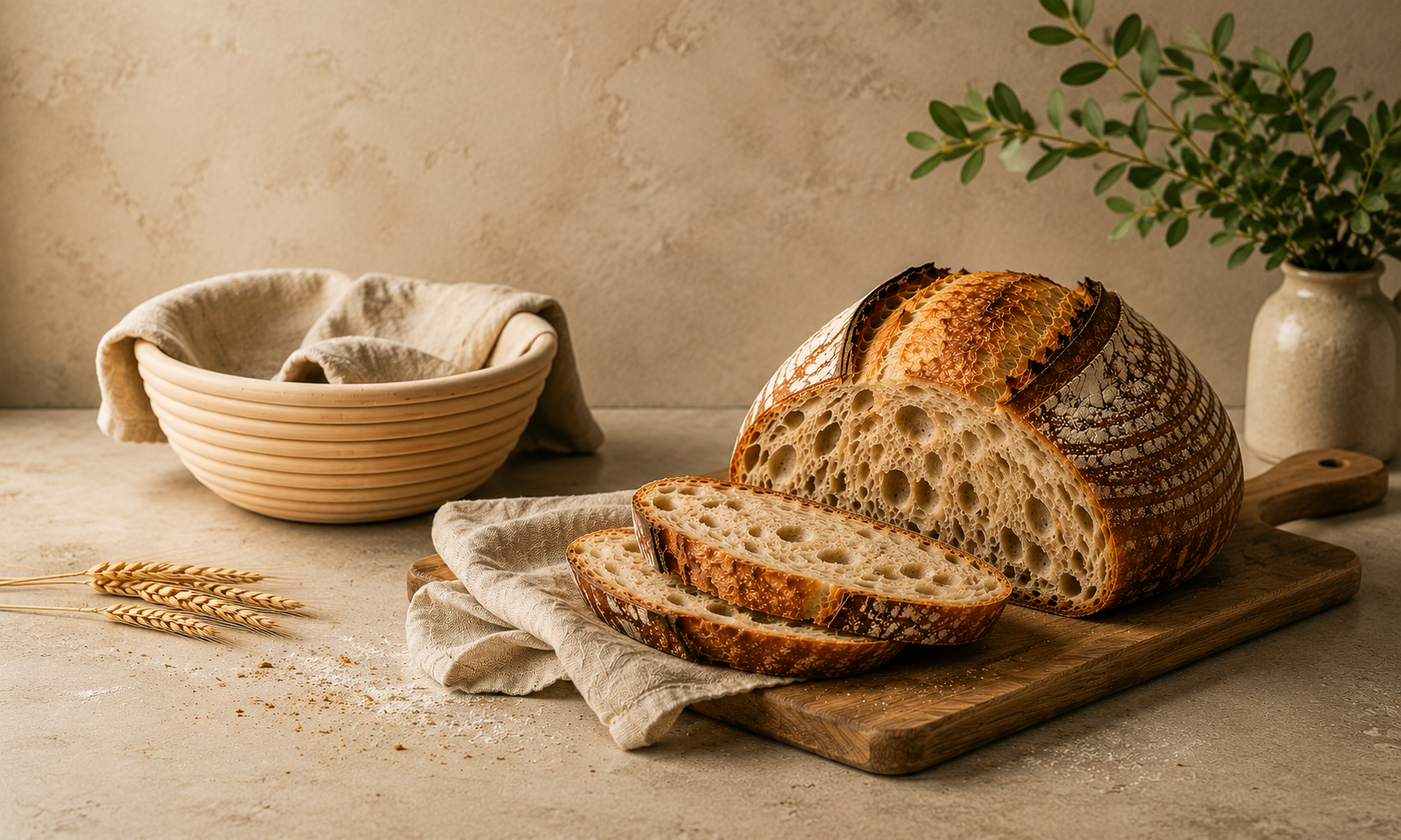
Naturally leavened bread is made through the symbiotic action of lactic acid bacteria and wild yeasts present in the natural starter (levain), over long fermentations, from 12 to 48 hours.
During this time, organic acids, bioactive peptides, and microbial metabolites transform the flour and give the bread characteristics that set it apart from industrial bread.
Main points:
- It reduces the after-meal glycemic peak, especially when made with whole grain flours.
- It increases the bioavailability of minerals (iron, calcium, magnesium, and zinc) by breaking down phytates.
- It stimulates short-chain fatty acid production in the colon, important for microbiota health.
- In adults with metabolic syndrome, regular consumption reduces inflammatory markers and diastolic blood pressure.
Since individual digestibility varies, start with small portions and watch your tolerance.
How to choose the flour
Choosing the flour is one of the most important decisions for the final result. For natural fermentation, what matters most isn’t just whether the flour is type 00, 0, 1, 2, or whole grain, but the combination of strength, protein, water absorption, milling, and extraction rate.
What is flour’s W value
W is the alveograph measure of flour strength, that is, the energy needed to expand and burst a dough bubble in the Chopin alveograph. In practice, it estimates the flour’s ability to form a gluten network that retains gas during fermentation.
It can also appear as flour strength, alveograph strength, or deformation energy, usually expressed in 10^-4 J. The higher the W, generally:
- the greater the water absorption capacity;
- the greater the tolerance for long fermentations;
- the greater the gas retention;
- the greater the potential for an open, airy crumb;
- the greater the need for proper time, hydration, and handling.
| Approximate W | Typical protein | Best-suited use | Practical note |
|---|---|---|---|
| 90-160 | 8-10.5% | cakes, cookies, short pastry | weak flour, little tolerance for long fermentation |
| 160-220 | 10-11.5% | quick breads and simple doughs | works best with moderate hydration and short fermentation |
| 220-280 | 11.5-12.5% | homemade bread, quick pizza, simple focaccia | a good range to start with |
| 280-340 | 12-14% | sourdough, focaccia, long-fermented pizza | the best balance for natural fermentation and high hydration |
| 340-400+ | 13.5-15% | panettone, high hydration, very long fermentation | requires technique; can become too elastic if poorly hydrated |
W tends to be more useful than looking only at the “00” label. A 00 flour can be weak or strong; the number 00 mainly tells you the milling grade, not the strength.
Type 00, 0, 1, 2, and whole grain
In the Italian classification, the type indicates how much of the grain remains in the flour. The higher the number, the greater the extraction, the more ash, minerals, and bran particles. This increases flavor and nutritional value, but it can also make the dough heavier if the gluten network isn’t well developed.
| Type | Milling grade | Nutritional profile | Practical use |
|---|---|---|---|
| 00 | most refined and pale | fewer fiber and minerals | light doughs; only ideal for long fermentation if it has a high W |
| 0 | refined, but less than 00 | a bit more minerals and flavor | an excellent base for sourdough, pizza, and focaccia when W is 280-340 |
| 1 | semi-whole grain | more aroma, enzymes, and minerals | great in 10-30% blends to enrich bread and focaccia |
| 2 | higher extraction | more fiber, ash, and flavor | good for artisan bread baking, but needs more water and technique |
| whole grain | whole grain | more fiber, minerals, enzymes, and phytates | best for starting a levain; in bread, tends to work better blended |
In a 2024 study, whole grain and stone-ground type 2 flour absorbed more water than type 0. The whole grain flour had more ash and phytic acid, while type 0 had better rheological performance. The practical point matters: more whole grain flours deliver more flavor and micronutrients, but require more hydration, folds, and care to avoid losing volume.
Best flour by goal
| Goal | Suggested flour | Protein | W | How to use |
|---|---|---|---|---|
| Starting a levain | whole rye or whole wheat | variable | not the main factor | prioritize minerals, enzymes, and natural microbiota |
| Maintaining a levain | whole wheat, rye, or a blend with strong white flour | 11-14% | 220-340 | adjust according to aroma, speed, and acidity |
| Classic sourdough | 70-90% strong type 0 or 1 + 10-30% whole grain/rye | 12-14% | 280-340 | the best balance between structure, flavor, and nutrients |
| High hydration | strong type 0 or strong 00 + 10-20% type 1/whole grain | 13-14.5% | 320-380 | requires autolysis, folds, and well-controlled fermentation |
| Simple focaccia | medium-strong type 0 or 00 | 11.5-12.5% | 240-300 | 70-80% hydration |
| Professional focaccia | strong type 0 or strong 00 | 12.5-14% | 300-350 | 75-85% hydration, with long fermentation |
| More aromatic focaccia | 80-90% strong type 0 + 10-20% type 1 | 12.5-14% | 300-340 | more flavor, minerals, and complexity |
For good quality naturally leavened bread, a very reliable formula is: 80% strong white type 0 or type 1 flour + 20% whole grain or whole rye flour. For a lighter, airier focaccia, use strong type 0 or 00, with protein around 13% and W between 300 and 350.
The more whole grain the flour, the more water it tends to need. So if you swap white flour for whole grain, increase the water gradually and watch the dough: it should be elastic, hydrated, and extensible, not runny and structureless.
Materials and how to create the levain
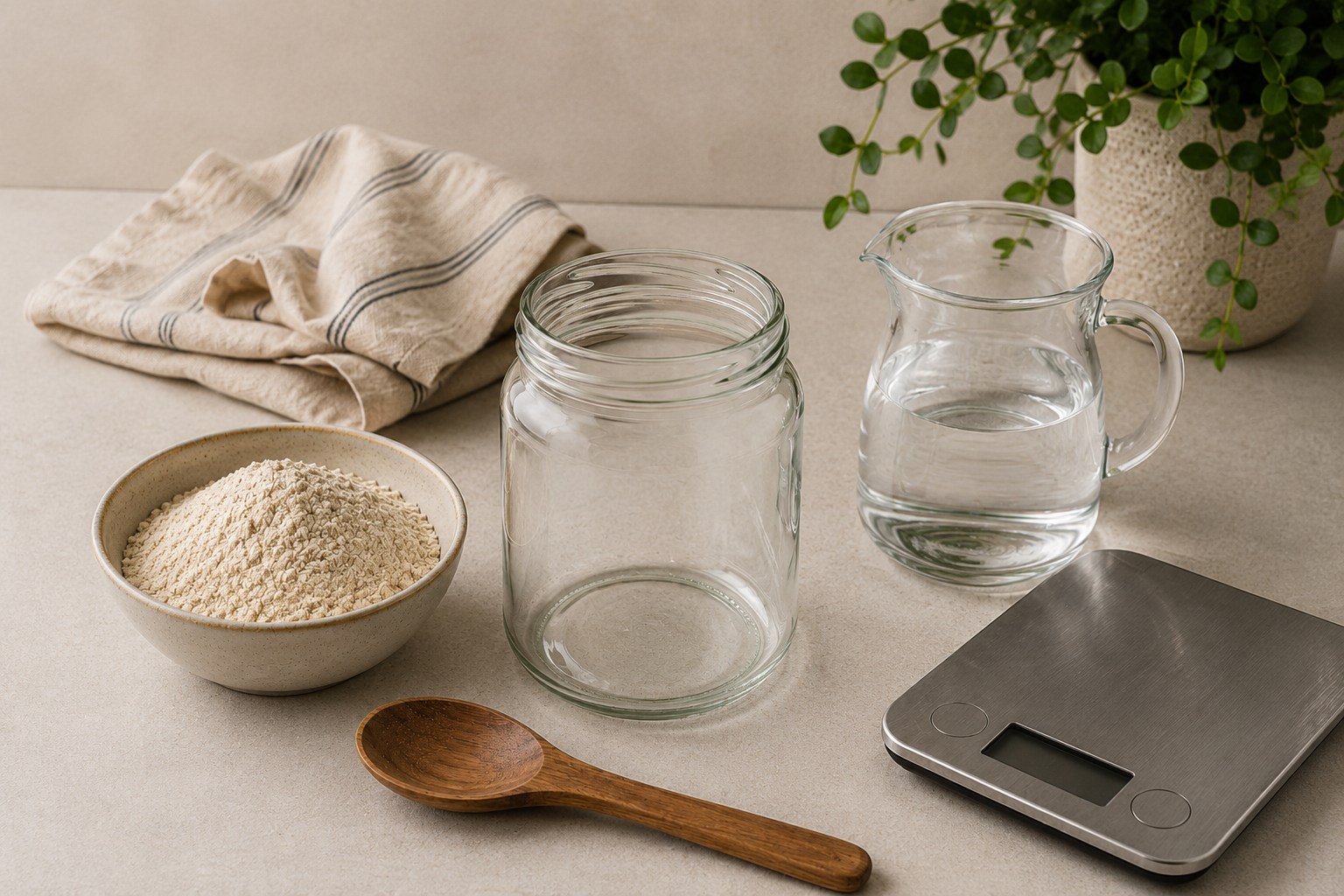
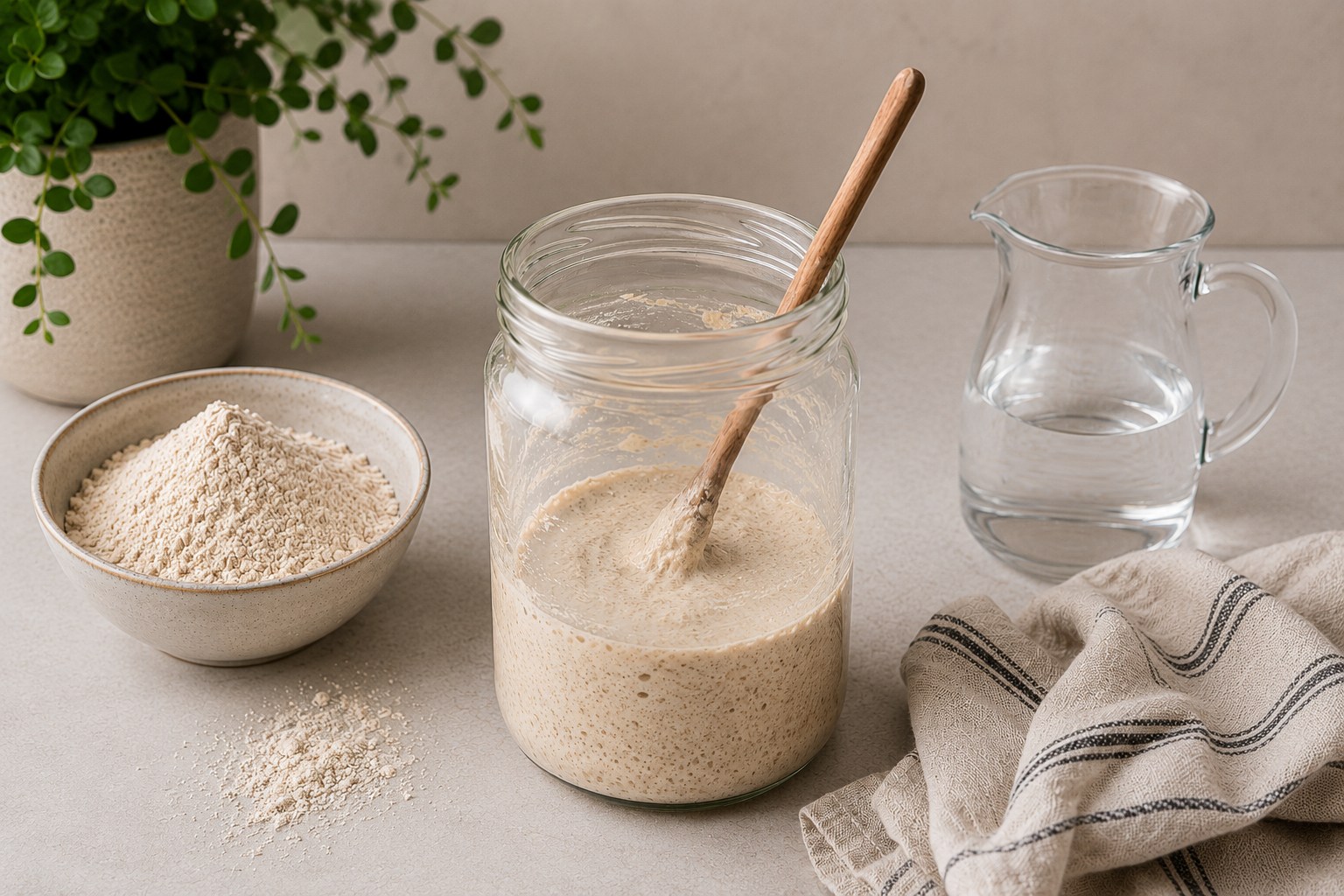
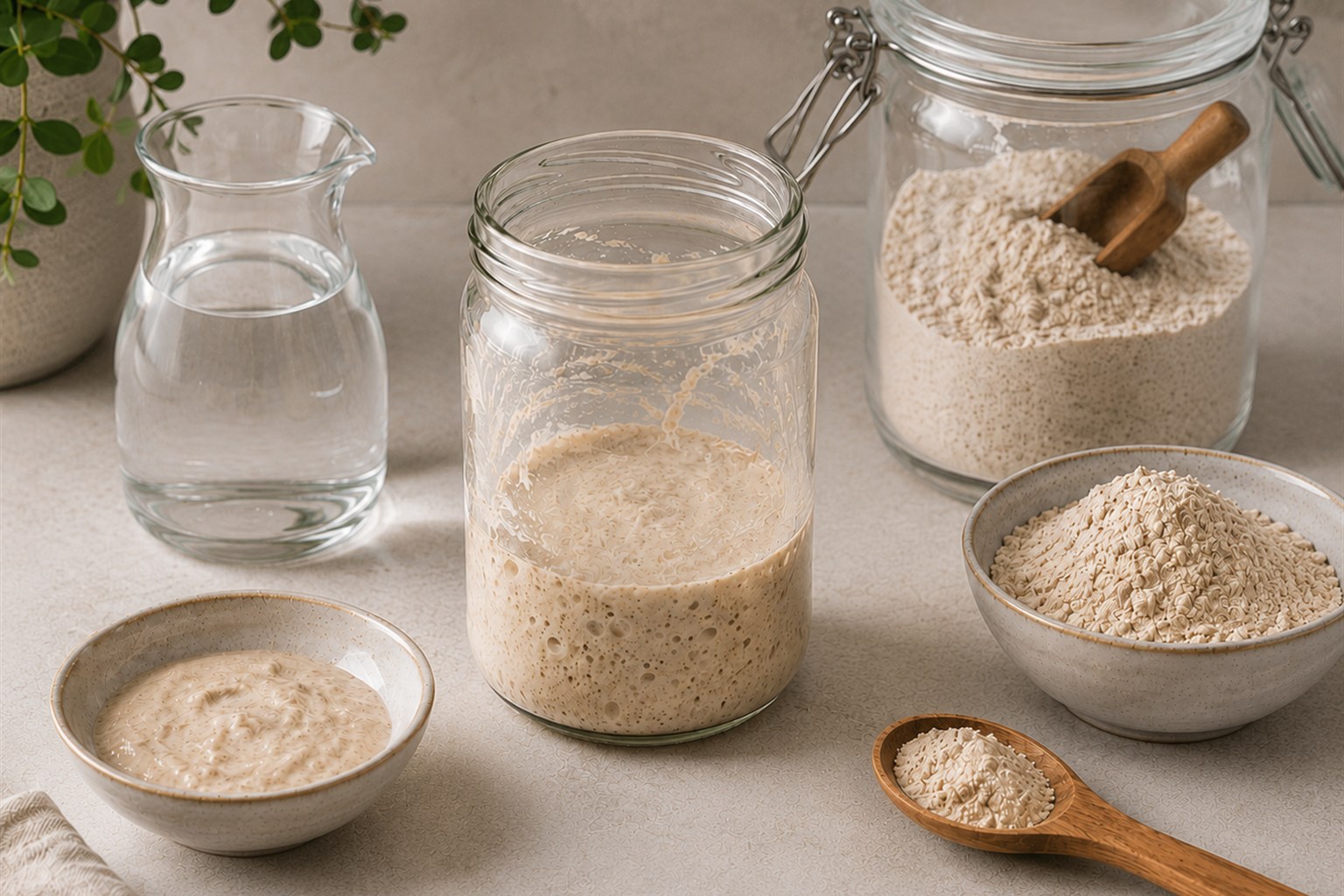
Don’t seal the jar tightly: the lid should just rest on top or be lightly screwed on, since gases will be produced.
Best flours for starting the fermentation
The flour determines the speed and quality of fermentation. The more nutrients and natural microorganisms the flour has, the faster and more stable the levain develops.
- Whole rye: the best option for starting the levain. It’s the flour richest in minerals, enzymes, and naturally present lactic acid bacteria and wild yeasts. It ferments strongly even in cold climates.
- Whole wheat: the second-best choice for starting. It also has plenty of fiber, minerals, and wild microorganisms, with slightly slower fermentation than rye.
- Whole spelt, kamut, or whole buckwheat: interesting alternatives, with good mineral content and a distinctive flavor. They work well for starting and maintaining the levain.
- White wheat flour (type 1 or type 00): can be used once the levain is already established (from day 5 to 7), to refine flavor and texture. Not recommended for starting, since it has fewer nutrients and microorganisms.
Prefer organic, recently milled flours. Industrially refined, bleached white flours lose much of the nutrients essential for fermentation.
Day 1: initial mixture
Mix:
- 30 g of whole wheat or whole rye flour
- 30 g of filtered water at room temperature
Stir until a smooth paste forms. Scrape down the sides of the jar, cover without fully sealing it, and leave it somewhere clean, out of direct sun, for 24 hours. Ideal temperature: 24 to 28 °C.
Days 2 to 4: discard and feed
Every 24 hours, repeat the process:
- Discard half the mixture
- Add 30 g of flour
- Add 30 g of water
- Mix and let it rest for another 24 hours
On day 2 there may be few bubbles. On day 3, a tangy or fruity aroma starts to appear, but the culture doesn’t always grow steadily. From day 4 onward, the culture starts selecting for lactic acid bacteria and yeasts more effectively.
Days 5 to 7: 1:1:1 feeding
From day 5, switch to a more precise 1:1:1 feeding:
- 30 g of levain
- 30 g of water
- 30 g of flour
Mark the level of the mixture on the jar with a rubber band or a marker and watch how long it takes to grow. Repeat on day 6 and day 7. If it’s still weak, keep feeding it for a few more days.
Signs, peak and storage of the levain
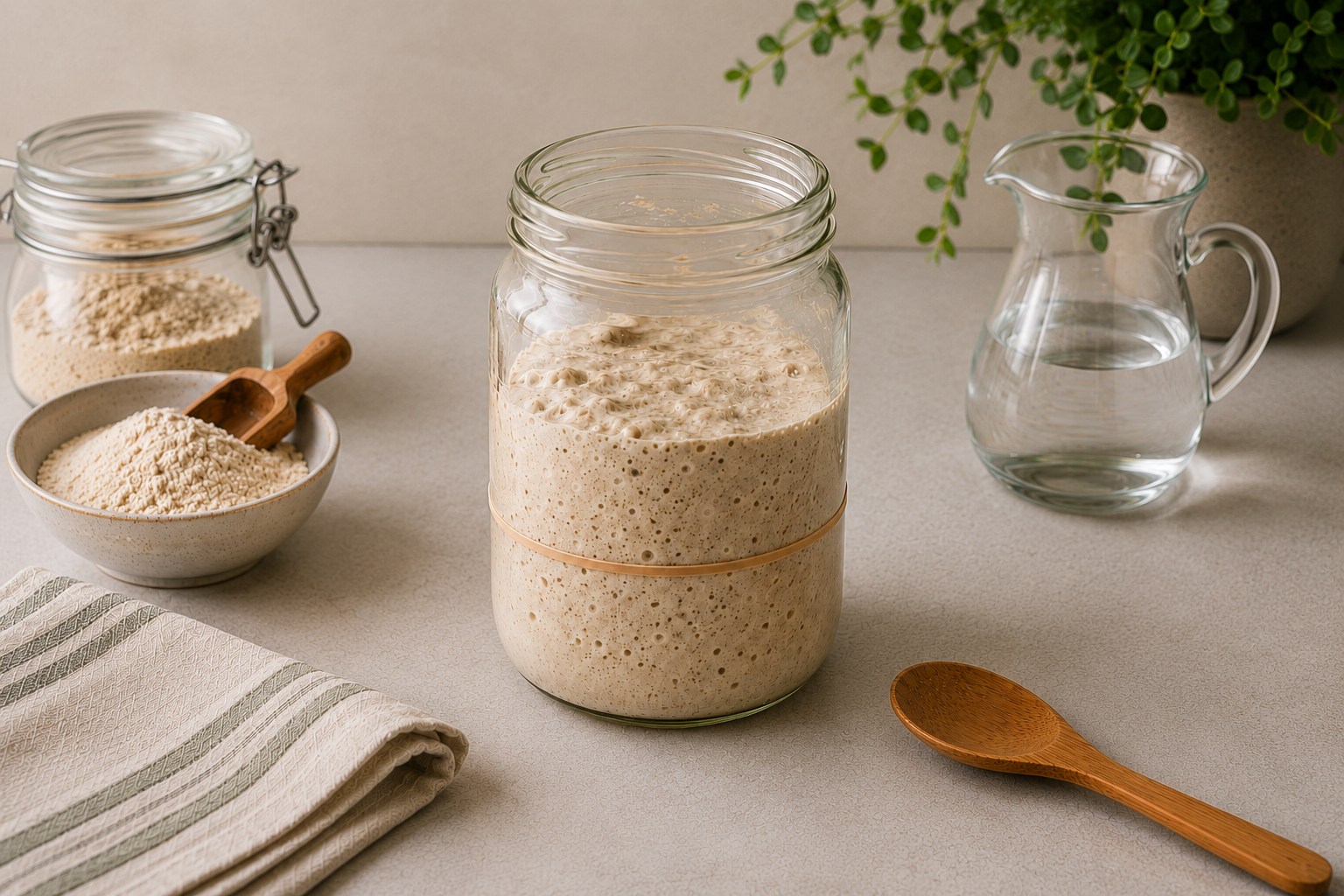
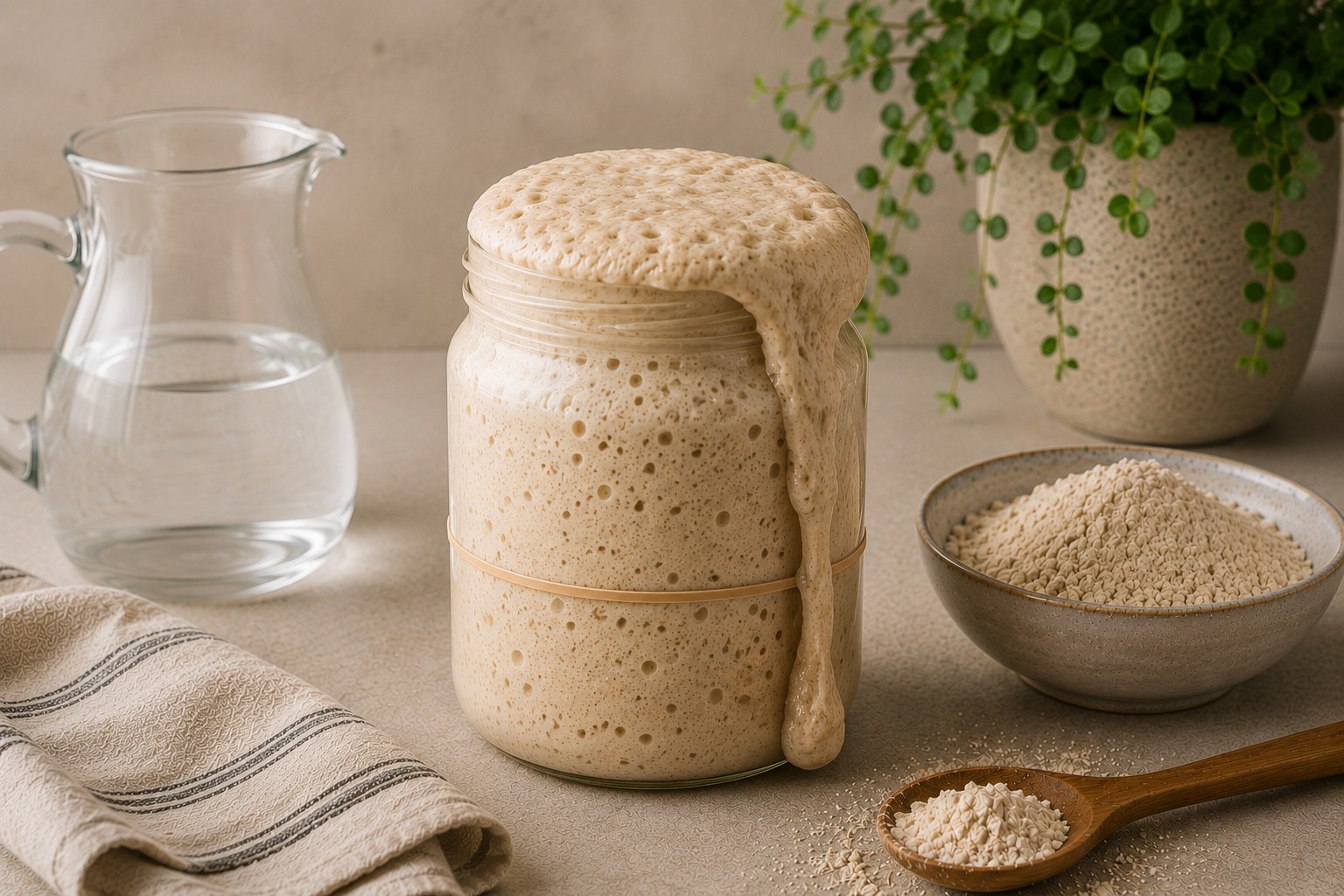
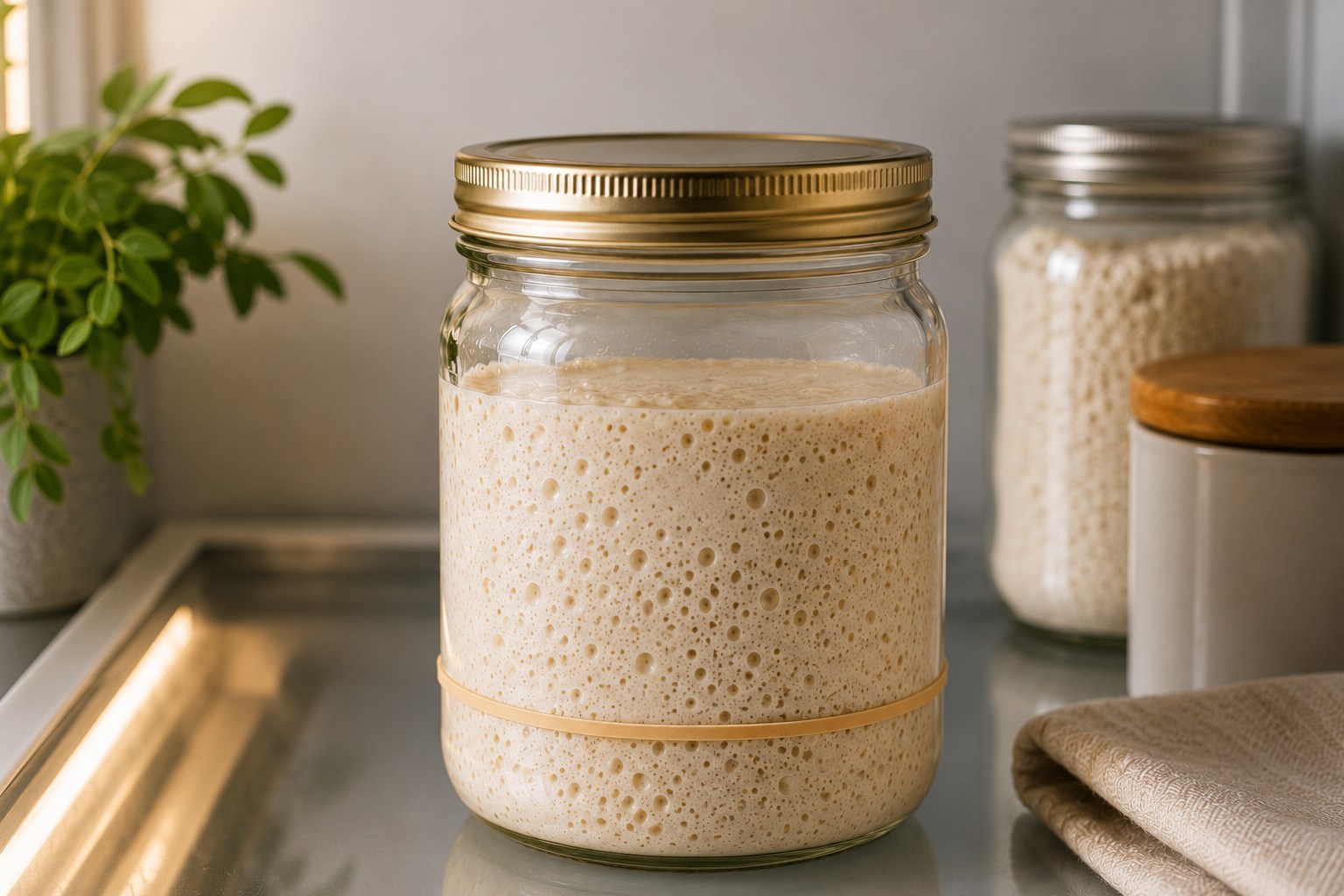
As the levain matures, watch for:
- Bubbles: small bubbles visible throughout the mixture
- Increased volume: the mixture grows after each feeding
- A pleasant tangy smell: a slightly acidic, fruity, or yogurt-like aroma
- A lighter texture: airier, more elastic, more vibrant dough
It’s ready when:
- It doubles in volume within 4 to 6 hours of feeding
- It has bubbles visible throughout the mixture
- It has a tangy aroma, slightly fruity or yogurt-like
- It becomes airy and elastic
It’s not ready when:
- It doesn’t grow
- It has a putrid smell
- It has pink, orange, black, or green spots
- Mold forms on the surface
- It stays excessively runny with no bubbles for several days
In these cases, discard it and start over.
How to keep the levain alive
Once created, the levain can last a lifetime. All it needs is to keep being fed periodically.
To use every day:
- Keep it at room temperature
- Feed it once a day, always in the same proportion (1:1:1)
To use 1 to 2 times a week:
- Keep it in the fridge
- Feed it once a week, removing half the levain (to make bread or discard) and replenishing with flour and water in a 1:1 ratio
- Before making bread, take it out of the fridge, feed it, and wait for it to reach peak growth (4 to 6 hours)
How to use the levain to make bread
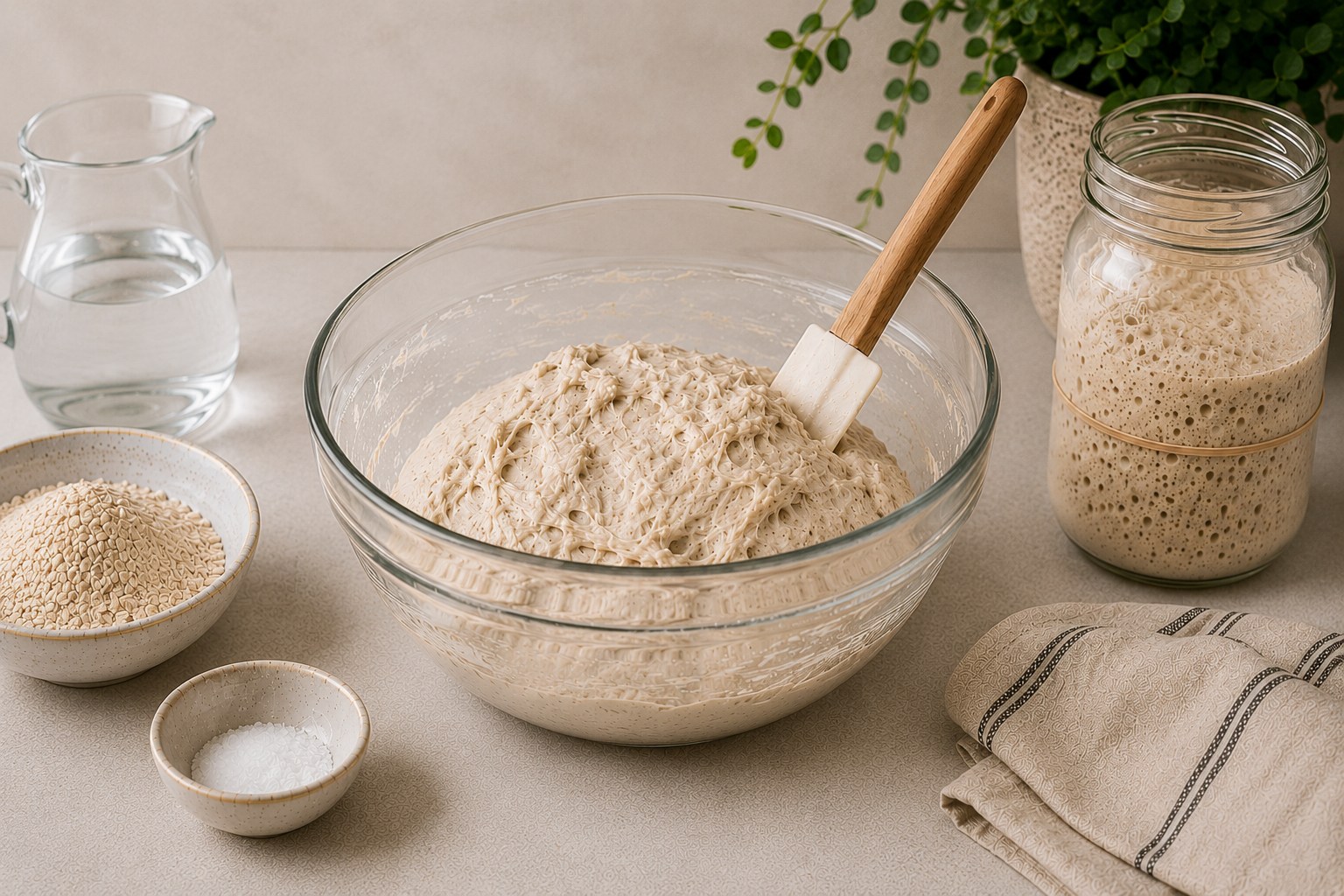
Base recipe
Ingredients
- 400 g of strong white type 0, type 1, or strong 00 flour
- 100 g of whole wheat or whole rye flour
- 350 g of water
- 100 g of active levain
- 10 g of salt
This mix delivers the best balance between structure and nutrition: the strong flour supports the rise, while the whole grain or rye increases minerals, enzymes, aroma, and fermentative complexity.
Mixing the dough
-
Mix flour and water. Let it rest for 30 to 60 minutes (autolysis).
-
Add the active levain, mix well, and add the salt.
Fermentation and shaping
-
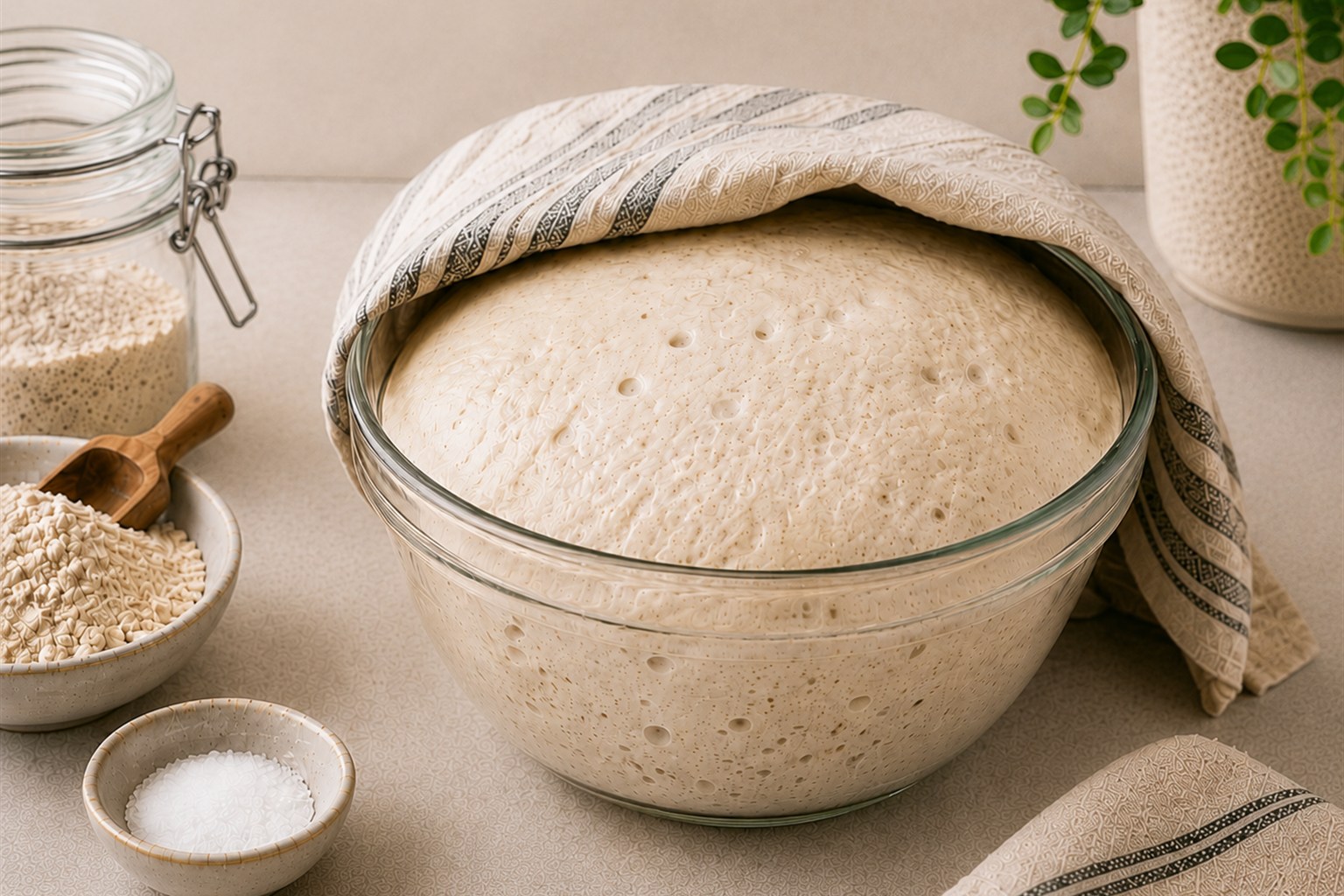
Let it bulk ferment for 4 to 6 hours, folding every 30 to 45 minutes during the first 2 hours.
-
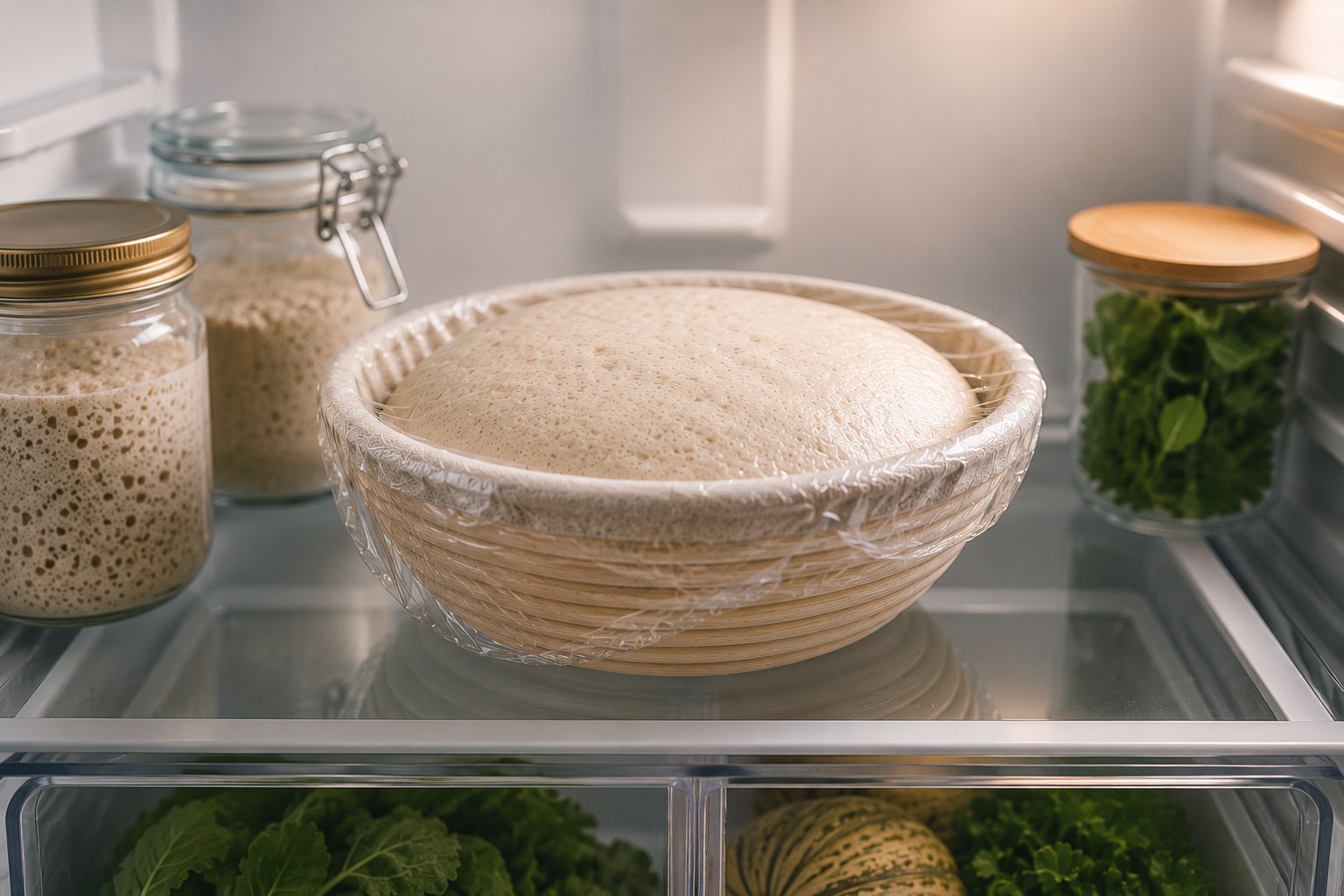
Shape the bread and let it ferment for another 1 to 2 hours at room temperature, or 8 to 16 hours in the fridge (cold fermentation, which develops more flavor).
Baking
-
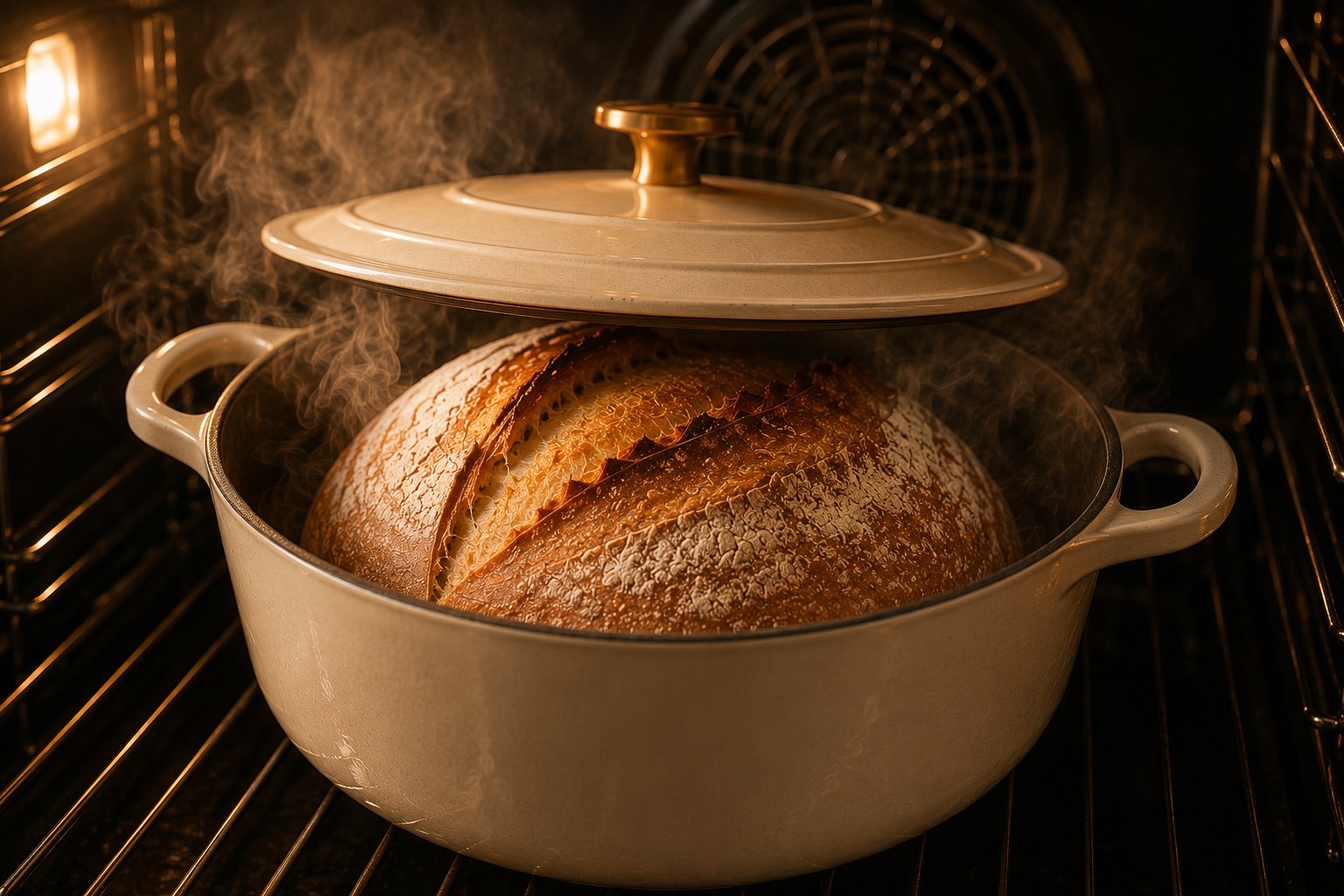
Bake in a very hot oven, ideally 240 to 250 °C at the start, with steam or a covered pot for 20 minutes.
-
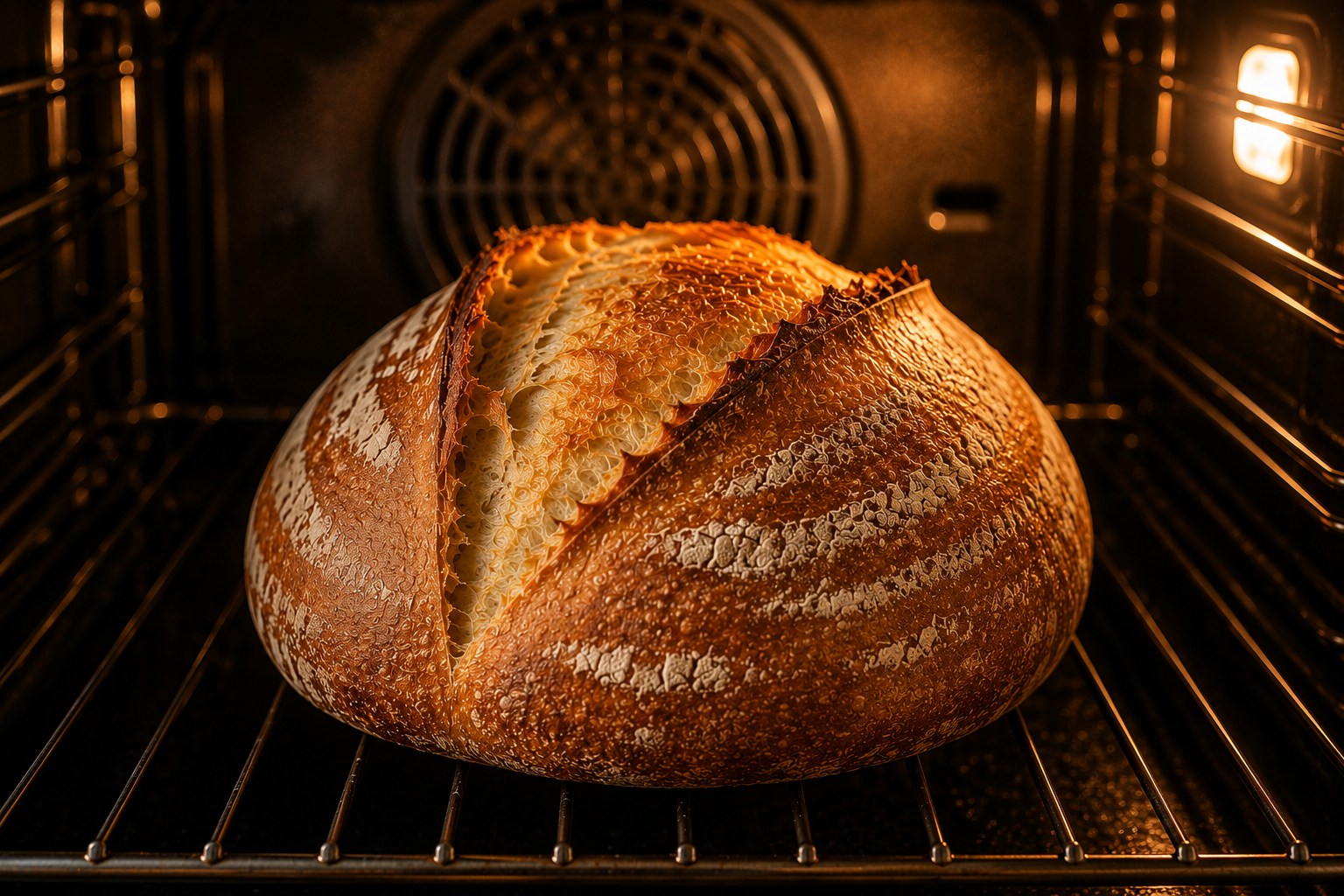
Reduce to 210 to 220 °C until golden and the bread sounds hollow when tapped on the bottom.
The most important rule of thumb
Don’t use the levain “whenever.” Use it only when it’s active, at its growth peak. This is the point of best yeast and lactic acid bacteria activity, favoring proper fermentation, acidity development, aroma, structure, and dough rise.
Hygiene is essential. Utensils and hands need to be clean. Signs like colored mold, a very intense unpleasant odor, or odd color changes indicate that the levain or dough should be discarded.
Who can eat it, and who should be cautious or avoid it
Who can eat it
- Healthy adults wanting to replace industrial bread with a homemade fermented option.
- People looking to reduce the glycemic impact of their meals.
- Anyone with mild wheat sensitivity or irritable bowel syndrome tends to tolerate long naturally leavened bread better than commercial bread, due to its lower residual FODMAP content.
- Older adults and people with low mineral absorption may benefit from the increased bioavailability of iron, calcium, magnesium, and zinc.
Who should be cautious or avoid it
- Confirmed celiac disease: naturally leavened wheat bread is NOT safe. Fermentation reduces part of the gluten, but not enough to prevent damage in celiac patients.
- Wheat allergy: avoid varieties made with wheat. Versions with naturally gluten-free flours exist (rice, buckwheat, corn).
- Uncontrolled diabetes: monitor individual glycemic response and adjust portions with professional guidance.
- Severe active bowel disease: introduce small portions and watch your tolerance.
Clinical evidence and metabolic modulation
The researchers (2022) brought together 18 randomized clinical trials and showed that naturally leavened bread reduces post-meal glucose compared to industrial bread or a glucose solution:
- At 60 minutes: an average reduction of 0.29 mmol/L (about 5.2 mg/dL).
- At 120 minutes: an average reduction of 0.21 mmol/L (about 3.8 mg/dL).
- The effect is more pronounced when the bread is made with whole grain flour.
A 2024 study followed 31 adults with metabolic syndrome who consumed naturally leavened bread for two months. Regardless of fermentation time (short, 2 hours, or long, 48 hours), the following were observed:
- A reduction in sICAM, an inflammation marker linked to atherosclerosis.
- A drop in diastolic blood pressure.
- A reduction in PAI-1 (thrombotic risk) with short fermentation.
The systematic review by the researchers (2023), with 25 clinical trials, concluded that naturally leavened bread reduces digestive symptoms in people with irritable bowel syndrome when made with low FODMAP content, and improves mineral bioavailability across all populations studied.
The most recent evidence also helps refine the choice of flour. The researchers (2021), reviewing 1,230 articles, show that sourdough’s effects depend on the microbial ecosystem, the flour, time, temperature, and hydration. The researchers (2024) observed that higher-extraction flours absorb more water and carry more minerals and phytates, while natural fermentation can improve volume, texture, and sensory acceptance in less refined flours, like stone-ground type 2.
Bioactive compounds and potential mechanisms
Long fermentation transforms flour into a biologically active matrix.
What increases:
- Branched-chain amino acids (leucine and isoleucine), increasing 17-fold and 10-fold in rye sourdough.
- Small peptides with anti-hypertensive and antioxidant activity.
- Microbial metabolites of phenolic acids (dihydroferulic, dihydrocaffeic).
- Organic acids (lactic and acetic) that lower pH and modify starch digestibility.
- Resistant starch, which escapes digestion and reaches the colon.
Mechanisms:
- Organic acids slow gastric emptying and reduce the speed of glucose absorption.
- Bioactive peptides released during fermentation inhibit the angiotensin-converting enzyme (ACE), with potential anti-hypertensive effect.
- The breakdown of phytates by enzymes activated during fermentation releases iron, calcium, magnesium, and zinc that were chelated, increasing their intestinal absorption.
- Resistant starch, peptides, and free amino acids that reach the colon serve as a substrate for the microbiota to produce short-chain fatty acids (acetic, propionic, and butyric) and GABA.
Conclusion
Naturally leavened bread represents a biologically richer version of traditional bread. With whole grain flours and long fermentation, it contributes to a more stable glycemic curve, better mineral absorption, and greater short-chain fatty acid production in the colon.
The biggest difference shows up compared to industrial bread, with additives, preservatives, and very fast fermentation. Replacing those products with homemade naturally leavened bread, or bread from a trusted artisan bakery, is a simple choice for making the routine more nutritious and functional. Like any fermented food, it works best within a dietary pattern of real food, adequate protein, sleep, and movement.
References
Scientific studies
Rolim et al., 2022.Consumption of sourdough bread and changes in the glycemic control and satiety: A systematic review. Critical Reviews in Food Science and Nutrition. 2022. · Acessar fonte
Key findings
A systematic review with a meta-analysis of 18 randomized clinical trials evaluating the effect of naturally leavened bread on glucose and satiety. Consumption significantly reduced the glycemic peak at 60 minutes (mean difference of -0.29 mmol/L) and at 120 minutes (-0.21 mmol/L) compared to industrial bread or a glucose solution. The effect was greater when the bread was made with whole grain flour. In selected studies, there was also a drop in ghrelin, GLP-1, and GIP, hormones linked to appetite and insulin secretion.
Ribet et al., 2023.Nutritional benefits of sourdoughs: A systematic review. Advances in Nutrition. 2023;14(1):22-29. · Acessar fonte
Key findings
A systematic review of 25 clinical trials on the health effects of naturally leavened bread, covering glucose, satiety, gastrointestinal symptoms, and cardiovascular markers. In patients with irritable bowel syndrome, sourdoughs with low FODMAP content or reduced gluten relieved digestive symptoms. Across all studies, natural fermentation increased the bioavailability of minerals (iron, calcium, magnesium, and zinc) by breaking down phytates in the flour, an effect particularly relevant in whole grain and rye bread.
Pérez-Vega et al., 2024.Sourdough Bread with Different Fermentation Times: A Randomized Clinical Trial in Subjects with Metabolic Syndrome. Nutrients. 2024;16(15):2380. · Acessar fonte
Key findings
A randomized, double-blind clinical trial with 31 adults with metabolic syndrome who consumed naturally leavened bread (long, 48-hour, or short, 2-hour fermentation) for two months. Regardless of fermentation time, all participants showed a significant drop in sICAM, an inflammation marker linked to atherosclerosis, and a reduction in diastolic blood pressure. Short fermentation also reduced PAI-1, a thrombotic risk marker. The gut microbiota remained stable, suggesting a metabolic effect that goes beyond bacterial composition.
Da Ros et al., 2021.Feeding with Sustainably Sourdough Bread Has the Potential to Promote the Healthy Microbiota Metabolism at the Colon Level. Microbiology Spectrum. 2021;9(3):e00494-21. · Acessar fonte
Key findings
A study that compared the effect of sourdough bread versus bread fermented only with baker's yeast (Saccharomyces cerevisiae) in a validated simulator of the human gastrointestinal tract (Twin M-SHIME), inoculated with microbiota from donors following a Mediterranean diet. Sourdough increased the production of short-chain fatty acids (acetic, propionic, and butyric) and free amino acids (Asp, Thr, Glu, GABA, Orn) in the colon. Sourdough bread had more resistant starch (1.79% vs 1.08%) and more peptides and amino acids than conventional bread, which explains much of this metabolic effect in the colon.
Koistinen et al., 2018.Metabolic profiling of sourdough fermented wheat and rye bread. Scientific Reports. 2018;8:5684. · Acessar fonte
Key findings
A metabolomics study that compared wheat and rye bread fermented with sourdough versus traditional fermentation with baker's yeast. Natural fermentation increased leucine content 17-fold and isoleucine 10-fold (branched-chain amino acids associated with metabolic signaling) and generated 70 small peptides with potential anti-hypertensive and antioxidant activity. Microbial metabolites of phenolic acids (dihydroferulic, dihydrocaffeic) also appeared. The effect was more intense in rye sourdough and helps explain the so-called 'rye factor,' a lower post-meal insulin response.
Arora et al., 2021.Thirty years of knowledge on sourdough fermentation: A systematic review. Trends in Food Science & Technology. 2021;108:71-83. · Acessar fonte
Key findings
A systematic review of 1,230 articles on natural fermentation, covering microbiology, culture selection, protein digestibility, glycemic index, phytate breakdown, aroma, texture, and shelf life. The review reinforces that sourdough isn't just a source of yeast: it's an ecosystem of lactic acid bacteria and yeasts, with technological and nutritional effects dependent on the flour, time, temperature, hydration, and microbiota.
Cardinali et al., 2024.Development of sourdough bread from roll-milled and stone-ground soft wheat flours milled to different extraction rates. European Food Research and Technology. 2024;250:581-591. · Acessar fonte
Key findings
An experimental study with Italian whole grain, type 0, and type 2 stone-ground wheat flours. The whole grain flour had more ash and phytic acid, plus greater water absorption; type 0 had better rheological performance; and natural fermentation improved specific volume, texture, and sensory acceptance in bread made with stone-ground type 2 flour. The study shows that choosing flour needs to consider extraction rate, milling, strength, water absorption, and the fermentation process.
Islam & Islam, 2024.Sourdough Bread Quality: Facts and Factors. Foods. 2024;13(13):2132. · Acessar fonte
Key findings
A review of the factors that determine the quality of naturally leavened bread, including flour composition, proteins, fiber, minerals, phytic acid, organic acids, volatile compounds, softness, shelf life, and glycemic response. The review describes how natural fermentation can improve protein digestibility, mineral availability, aromatic profile, texture, and shelf life, especially in whole grain or higher-extraction flours.
Informational content. Health recommendations and protocols require individual assessment by qualified professionals.