
Healthy aging and longevity
Blue Zones: what to learn from the world's longest-living regions.
A study of the six Blue Zones recognized to date, the regions with the world's highest concentration of centenarians: the five original ones and Singapore, the sixth, recognized in 2023, the nine common habits, and the role environment plays in building long, healthy lives.
Longevity is a quality of life built over the years and inhabited every day.
Published May 2026
Blue Zones are regions of the planet where demographers have documented the highest known concentrations of people who live past 100 years old in good health. There are six regions recognized to date:
- Okinawa, in Japan
- Ikaria, in Greece
- Sardinia, in Italy
- Nicoya, in Costa Rica
- Loma Linda, in California
- Singapore (recognized in 2023, with a different origin and character from the others)
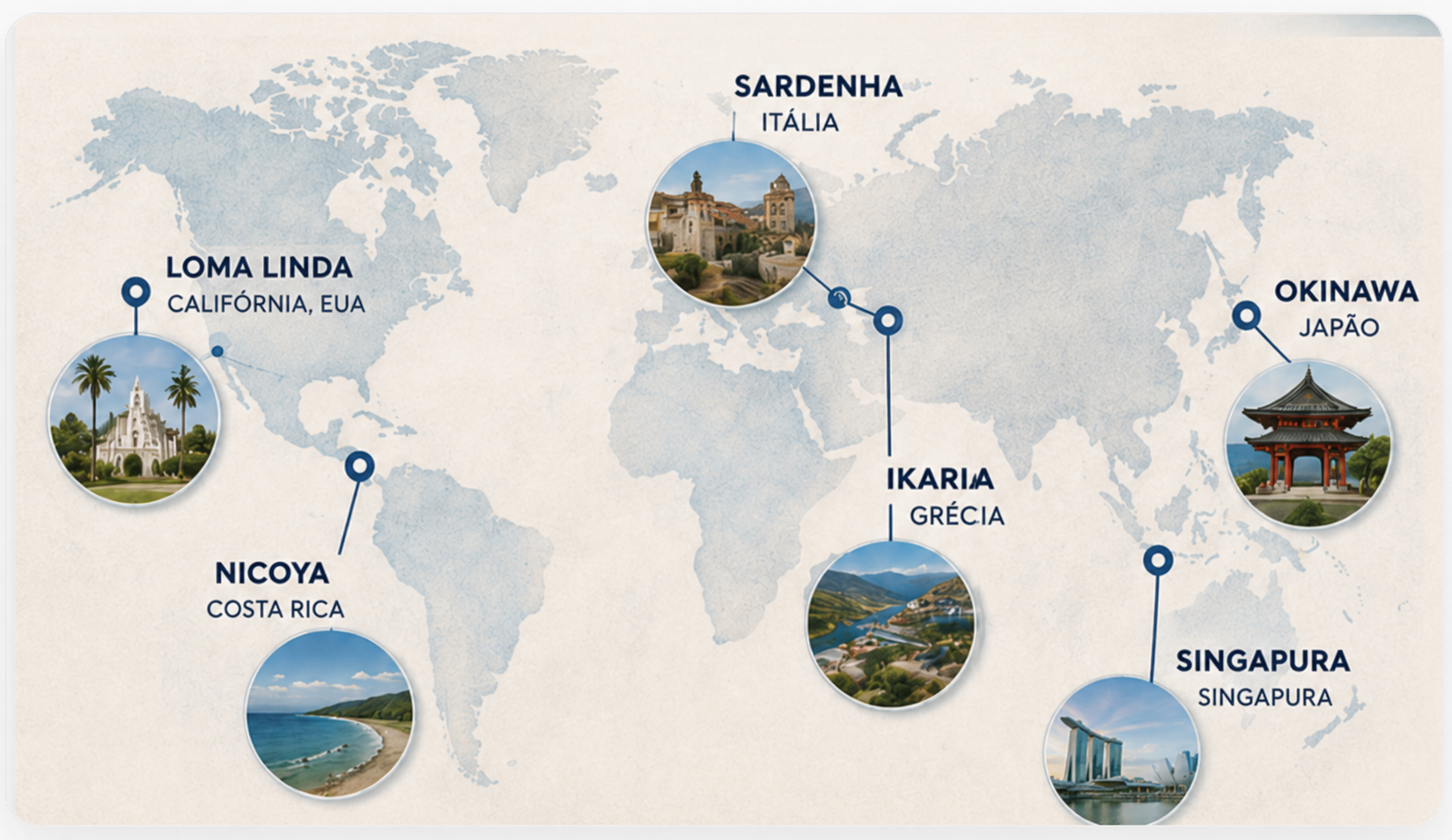
The name came from the blue marker researchers used to circle these regions on the map, in the early 2000s.
The concept was born from a National Geographic expedition led by journalist Dan Buettner, in partnership with scientists, anthropologists, and the National Institute on Aging. That original expedition mapped the first five regions; in them, people reach 100 years old at rates up to ten times higher than in the United States.
How a Blue Zone is officially recognized
“Blue Zone” isn’t an informal label. The Blue Zones Institute, an organization founded by Buettner, certifies each region using specific demographic criteria, adapted to each country according to data availability and reliability (Blue Zones Institute, 2026):
- Documentary reliability of age. The most advanced ages, of people living or deceased, need to be verified by civil birth and death records and by a continuous population registration system. Without this documentation, the reported longevity isn’t considered reliable.
- High national-level longevity. The country as a whole needs to be among the world’s most long-lived, measured by life expectancy (period and cohort) and by the age and sex structure observed in censuses.
- Area delimitation. Once the first two criteria are met, the Blue Zone is certified as the sum of local administrative units where the population demonstrably lives longer than the rest of the country. Indicators include life expectancy at birth, at 50, and at 80, and survival probabilities between ages (50 to 80, 80 to 90, birth to 90, and to 100), always compared to the national standard, with statistical significance, and evaluated separately by sex. The proportion of nonagenarians or centenarians in the population is used with caution, due to measurement biases already demonstrated in the scientific literature.
Singapore, the sixth Blue Zone
In August 2023, Buettner designated Singapore as a new Blue Zone area in the book Blue Zones Secrets for Living Longer, based on findings from a new expedition (Blue Zones Institute, 2023; Buettner, 2023). Unlike the five original regions, longevity in Singapore doesn’t come from a centuries-old cultural tradition, but from decades of deliberate public policy. Because of this difference in origin, the 9 pillars below, Life’s Essential 8, and the regional portraits in this section remain centered on the five original regions, the analysis of Singapore appears separately in the “The regions” section.
Evidence of longevity
Live 7 to 10 years longer than the American average
- Lower rates of chronic disease: cancer, cardiovascular disease, diabetes, and dementia.
- A greater proportion of centenarians (people 100 or older).
- Culturally distinct lifestyles, with surprisingly similar habits.
- Functional autonomy preserved decades later than average.
The Danish twin study by the researchers (1996, Human Genetics), with 2,872 twin pairs born between 1870 and 1900, estimated that approximately 20% of human longevity is explained by genetics. The other 80% comes from lifestyle, environment, diet, physical activity, social ties, and cumulative exposures over a lifetime. This is the scientific basis for the central thesis of Blue Zones research: longevity is, in large part, built.
The question that guided decades of research was: what do these regions have in common, given that they’re spread across very different climates, cultures, and cuisines? The answer came in a set of shared habits.
The 9 pillars (Power 9)
The 9 pillars of the Blue Zones
-
 1
Natural movement
1
Natural movement
-
 2
Life purpose (ikigai, plan de vida)
2
Life purpose (ikigai, plan de vida)
-
 3
A daily pause to slow down
3
A daily pause to slow down
-
 4
The 80% rule (hara hachi bu)
4
The 80% rule (hara hachi bu)
-
 5
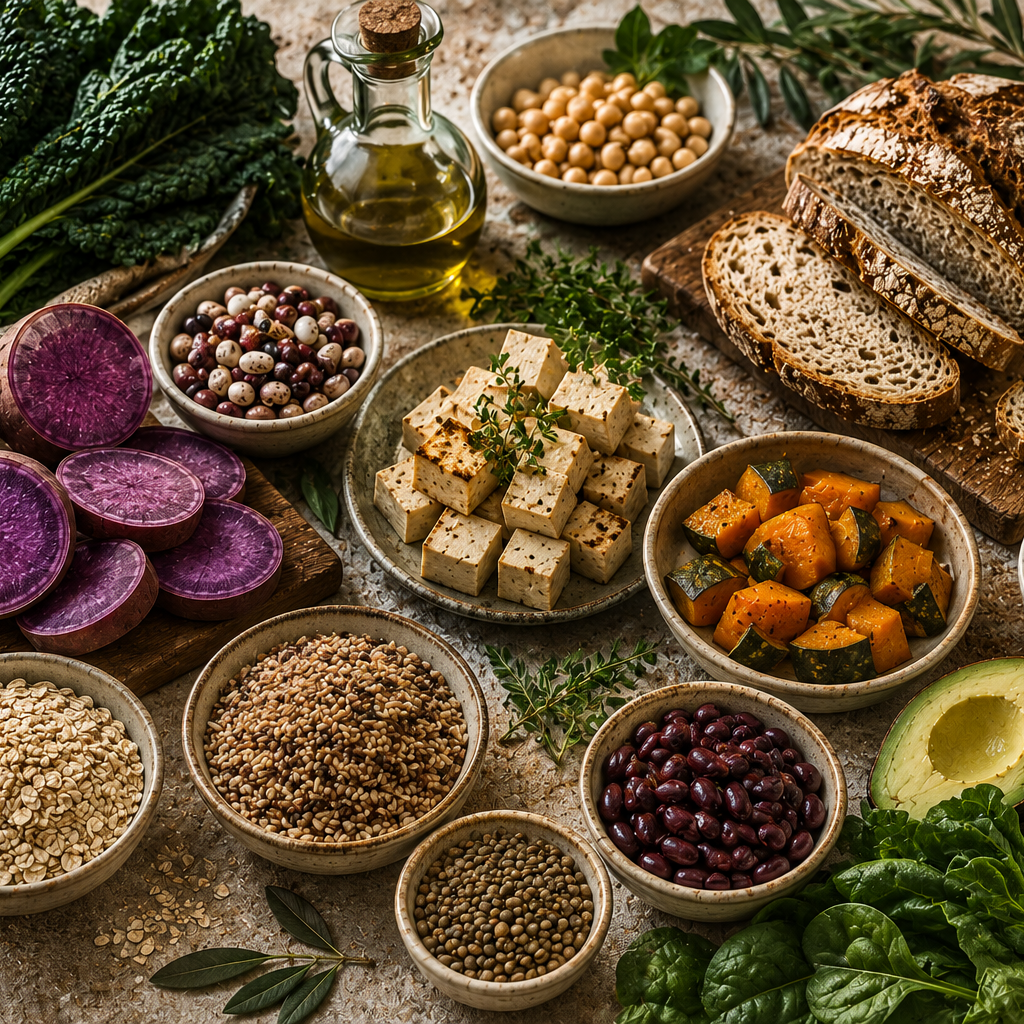
A plant-forward diet
5
A plant-forward diet
-
 6
Wine in moderation, where present
6
Wine in moderation, where present
-
 7
Faith and spirituality
7
Faith and spirituality
-
 8
Family first
8
Family first
-
 9
A supportive social circle (moai)
9
A supportive social circle (moai)
What the 9 pillars don’t cover: medications and coordinated care
Scientific journals dedicated to aging, like The Lancet Healthy Longevity, expand this repertoire by showing that quality longevity depends as much on habits and environment as on well-coordinated clinical care. Beyond diet, movement, sleep, and connection, factors like polypharmacy, drug interactions, sedentary behavior, loss of strength, poorly controlled chronic or recurring infections, and communication failures between parts of the care system can also interfere with autonomy over the years.
In this sense, an editorial published in The Lancet Healthy Longevity in 2025 brings up an important point that doesn’t appear directly in the 9 pillars: inappropriate polypharmacy. The article highlights its association with adverse reactions, drug interactions, hospitalizations, and mortality, and reinforces that safe deprescribing depends on communication between primary care, hospitals, specialists, pharmacists, patients, and family.
Power 9 and Life’s Essential 8: when longevity meets cardiovascular health
The researchers systematized what became known as Power 9, nine common denominators identified through field research in the five regions and published in a peer-reviewed scientific journal (Buettner & Skemp, 2016, American Journal of Lifestyle Medicine).
Life’s Essential 8, published by the American Heart Association (AHA) in Circulation in 2022, one of the highest-impact journals in cardiology, corroborates this view through a more measurable path: it turns cardiovascular health into a panel of eight objective metrics.
This difference matters. Blue Zones show how entire cultures and environments sustain longevity. Life’s Essential 8 measures, in the individual, eight dimensions directly linked to cardiometabolic risk: diet, physical activity, nicotine exposure, sleep, BMI, blood lipids, blood glucose, and blood pressure.
In the AHA’s article, each metric receives a score from 0 to 100. The overall cardiovascular health index is the unweighted average of the eight scores.
Practical Life’s Essential 8 questionnaire
The article describes a composite cardiovascular health score based on eight components: diet, physical activity, nicotine exposure, sleep health, BMI, blood lipids, blood glucose, and blood pressure. Each component has its own algorithm scored from 0 to 100, and the overall index is the unweighted average of these eight scores. When tests or clinical measurements aren’t yet available, the reading is partial and limited to the metrics reported.
The parameters evaluated in the article are:
- Diet: dietary pattern estimated by MEPA, with Mediterranean/DASH pattern items.
- Physical activity: weekly minutes of moderate or vigorous activity.
- Nicotine exposure: tobacco, inhaled nicotine delivery systems, and secondhand exposure.
- Sleep: average sleep duration per night.
- BMI: body mass index calculated from weight and height.
- Blood lipids: non-HDL cholesterol, calculated as total cholesterol minus HDL.
- Blood glucose: fasting glucose or glycated hemoglobin (HbA1c), taking into account the presence or absence of diabetes.
- Blood pressure: average of systolic and diastolic measurements, adjusted when there’s medication treatment.
The classification below summarizes the three reading ranges described by the AHA. The following tables are representative: they show the extremes and an intermediate range to connect the concepts, but they don’t replace every intermediate point of the original algorithm.
Before looking at each metric, here’s the AHA’s overall reading:
Overall index - AHA reading
1. Diet
In the AHA’s article, diet is estimated using a questionnaire called MEPA (Mediterranean Eating Pattern for Americans). In practice, it’s a 16-item list that approximates usual eating to a Mediterranean/DASH pattern: more vegetables, fruit, legumes, whole grains, fish, and nuts; less red meat, cured meats, fast food, sweets, and solid fats.
The dietary score adds 1 point for each statement that describes the usual routine:
- Uses olive oil in more than 2 servings a day.
- Eats leafy greens more than 7 times a week.
- Eats other vegetables more than 2 servings a day.
- Eats berries more than 2 times a week.
- Eats other fruit more than 1 serving a day.
- Eats red meat, hamburger, bacon, or sausage less than 3 times a week.
- Eats fish or seafood more than 1 time a week.
- Eats chicken less than 5 times a week.
- Eats whole-fat cheese or cream cheese less than 4 times a week.
- Uses butter or cream less than 5 times a week.
- Eats beans or other legumes more than 3 times a week.
- Eats whole grains more than 3 servings a day.
- Eats industrial sweets, cakes, cookies, or pastries less than 4 times a week.
- Eats nuts more than 4 times a week.
- Has fast food meals less than 1 time a week.
- If drinking alcohol: stays below 2 drinks a day for men or below 1 drink a day for women. In the original MEPA, non-drinkers don’t get this point; this shouldn’t be used as encouragement to start drinking.
In the adult algorithm described in the article, the full scoring levels are these:
Diet - MEPA
- 100 points: 15 to 16 items.
- 80 points: 12 to 14 items.
- 50 points: 8 to 11 items.
- 25 points: 4 to 7 items.
- 0 points: 0 to 3 items.
Physical activity - minutes per week
- 100 points: 150 minutes or more.
- 90 points: 120 to 149 minutes.
- 80 points: 90 to 119 minutes.
- 60 points: 60 to 89 minutes.
- 40 points: 30 to 59 minutes.
- 20 points: 1 to 29 minutes.
- 0 points: no recorded activity.
Nicotine exposure
- 100 points: never smoked.
- 75 points: former smoker, quit 5 or more years ago.
- 50 points: former smoker, quit 1 to less than 5 years ago.
- 25 points: quit less than 1 year ago, or uses an inhaled nicotine delivery system.
- 0 points: current smoker.
Sleep - hours per night
- 100 points: 7 to less than 9 hours.
- 90 points: 9 to less than 10 hours.
- 70 points: 6 to less than 7 hours.
- 40 points: 5 to less than 6 hours, or 10 hours or more.
- 20 points: 4 to less than 5 hours.
- 0 points: less than 4 hours.
BMI
- 100 points: less than 25.
- 70 points: 25.0 to 29.9.
- 30 points: 30.0 to 34.9.
- 15 points: 35.0 to 39.9.
- 0 points: 40.0 or more.
Non-HDL cholesterol
- 100 points: less than 130 mg/dL.
- 60 points: 130 to 159 mg/dL.
- 40 points: 160 to 189 mg/dL.
- 20 points: 190 to 219 mg/dL.
- 0 points: 220 mg/dL or more.
Blood glucose
- 100 points: no diabetes, fasting glucose less than 100 mg/dL, or HbA1c less than 5.7%.
- 60 points: no diabetes, glucose 100 to 125 mg/dL, or HbA1c 5.7% to 6.4%.
- 40 points: diabetes with HbA1c less than 7.0%.
- 30 points: diabetes with HbA1c 7.0% to 7.9%.
- 20 points: diabetes with HbA1c 8.0% to 8.9%.
- 10 points: diabetes with HbA1c 9.0% to 9.9%.
- 0 points: diabetes with HbA1c 10.0% or more.
Blood pressure
- 100 points: less than 120/80 mmHg.
- 75 points: systolic 120 to 129 mmHg and diastolic less than 80 mmHg.
- 50 points: 130 to 139 mmHg or 80 to 89 mmHg.
- 25 points: 140 to 159 mmHg or 90 to 99 mmHg.
- 0 points: systolic 160 mmHg or more, or diastolic 100 mmHg or more.
The two tables below are representative: they show the ideal target, an intermediate range, and the highest risk to connect the concepts, but they don’t replace every intermediate point of the original algorithm.
Habit metrics
For physical activity, the metric considers weekly minutes of moderate or greater intensity. Vigorous activity counts double: each vigorous minute counts as 2 minutes.
| Score | Diet: Mediterranean/DASH | Physical activity: min/week | Nicotine | Sleep: hours/night |
|---|---|---|---|---|
| 100 - ideal target | 15 to 16 items | 150 or more | Never smoked | 7 to less than 9 h |
| Intermediate range | 8 to 11 items | 60 to 89 | Former smoker: 1 to less than 5 years | 6 to less than 7 h |
| 0 - highest risk | 0 to 3 items | 0 | Current smoker | Less than 4 h |
When there’s an active smoker inside the home, the algorithm subtracts 20 points from the nicotine metric, except when the score is already 0.
Clinical metrics
The clinical metrics depend on recent weight and height measurements for BMI; non-HDL cholesterol, calculated as total cholesterol minus HDL; fasting glucose or glycated hemoglobin (HbA1c); and the average of well-measured blood pressure readings, ideally repeated on different days.
| Score | BMI | Non-HDL cholesterol | Blood glucose | Blood pressure |
|---|---|---|---|---|
| 100 - ideal target | Less than 25 | Less than 130 mg/dL | No diabetes: glucose <100 mg/dL or HbA1c <5.7% | Less than 120/80 mmHg |
| Intermediate range | 25.0 to 29.9 | 130 to 159 mg/dL | No diabetes: glucose 100-125 mg/dL or HbA1c 5.7-6.4% | 130-139 or 80-89 mmHg |
| 0 - highest risk | 40.0 or more | 220 mg/dL or more | Diabetes with HbA1c 10.0% or more | 160 or more, or 100 or more |
The AHA’s own article acknowledges that BMI is imperfect: people with high muscle mass, low weight due to illness, or differences in ancestry and body composition need clinical interpretation.
If the value is already lowered by treatment, the AHA recommends subtracting 20 points, because the treatment indicates residual risk that still needs to be tracked.
If blood pressure is controlled with medication, subtract 20 points, per the AHA’s algorithm.
How to interpret the index
- The tables allow for screening: which metrics are closer to the risk extreme, the intermediate range, or the ideal target.
- The full calculation requires the AHA’s detailed algorithm, with the exact score for each of the eight metrics.
- With all eight metrics scored, the overall index is the average of the eight scores.
Example: if the eight scores add up to 640, the index is 640 divided by 8 = 80, the high cardiovascular health range.
The regions
Each of the five original Blue Zones offers a distinct portrait of the Power 9. The principles show up in all of them, but with cultural variations that help show how these factors can translate into different contexts. Singapore, the sixth region recognized in 2023, appears at the end with its own portrait, since it has a different origin and mechanisms from the others.
Sardinia, Italy
A Mediterranean island of Italy that’s home to the world’s longest-living men (Buettner & Skemp, 2016). The most striking concentration of centenarians is in the mountainous province of Ogliastra, where the ratio of male to female centenarians approaches 1:1, a unique pattern on the planet.
- Natural movement through herding. Shepherds walk about 8 km a day over rough terrain, climbing and descending slopes. This daily movement delivers the cardiovascular benefits expected from structured exercise, with a positive effect on muscle and bone metabolism, in a low joint-impact way. In many villages, men in their 80s and 90s still tend flocks and gardens.
- A predominantly plant-based diet. Whole grain bread, beans (especially fava beans), garden vegetables, local fruit, and olive oil form the base. Meat appears in small portions, usually on Sundays and special occasions.
- Cannonau wine, the table, and togetherness. The region’s typical wine has two to three times more flavonoids than other wines. It’s consumed in moderation, one or two glasses a day, always with food and company.
- Continuity across generations. The villages’ isolation and mountainous geography sustain a sense of belonging. Families stay close for generations, and daily work preserves identity, movement, and purpose.
Okinawa, Japan
A tropical archipelago in southern Japan that’s home to the world’s longest-living women (Buettner & Skemp, 2016). In older generations, longevity appears tied to social connection, simple eating, purpose, and an active routine.
- Moai: friends for life. The moai is a social support group, often formed in childhood, that stays together for decades. It offers emotional, social, and financial support when needed.
- Hara hachi bu. Before meals, traditional Okinawans repeat the mantra that reminds them to stop eating when the stomach is about 80% full.
- Ikigai. Purpose is named concretely: caring for a grandchild, keeping a garden, passing on a craft. This reason to get up structures the day and sustains engagement into old age.
- Gardens and family. Centenarians keep growing traditional foods, like bitter melon and sweet potato, in family gardens that connect diet, movement, and continuity across generations.
Loma Linda, California
A Seventh-day Adventist community in California, the only Blue Zone within the United States. Its residents live, on average, about a decade longer than the average American (Buettner & Skemp, 2016).
- A plant-based diet. The Adventist diet favors leafy greens, legumes, whole grains, fruit, and nuts, with a strong presence of a vegan pattern.
- A weekly 24-hour pause. Saturday is reserved for rest, prayer, family, and communal worship. Regularly stopping work functions as a routine of slowing down.
- A faith community. Religious belonging offers practical and emotional support, especially during hardship.
- Activity into old age. Stories like those of Dr. Ellsworth Wareham and Marge Jetton illustrate purpose, volunteering, and movement sustained well into their 100s.
Nicoya, Costa Rica
A rural peninsula on Costa Rica’s Pacific coast, where residents spend only 15% of what the United States spends on health care and have more than double the chance of reaching a healthy 90 (Buettner & Skemp, 2016).
- Plan de vida. Purpose structures the day: the reason to get up, stay active, and contribute to family and community at 80, 90, or 100.
- A minimally processed diet. The traditional diet is simple, with tropical fruit, local foods, and little presence of ultra-processed items.
- Mineral-rich water. The local water is naturally rich in calcium and magnesium due to the limestone soil, a factor associated with cardiovascular and bone support.
- Faith and family at the center. Multigenerational homes and close family ties reduce loneliness, preserve belonging, and keep purpose present day to day.
Ikaria, Greece
An Aegean Sea island where residents live on average eight years longer than Americans, with 20% less cancer, half the rate of heart disease, and almost no dementia (Buettner & Skemp, 2016).
- The local Mediterranean diet. Seasonal fruit and vegetables, whole grains, beans, potatoes, olive oil, and occasional fish make up the dietary base; meat appears occasionally.
- An afternoon nap and a slow pace. The routine slows down in the heat of the day. The nap works as a regular pause for the stress axis and the heart.
- An active community life. Festivals, shared meals, and gatherings keep bonds strong; residents in their 90s keep taking part in village social life.
- Stamatis Moraitis. The story of the resident who returned to Ikaria after a terminal diagnosis and lived decades longer became a local symbol: a garden, wine, island air, togetherness, and a slower pace.
Singapore: the sixth Blue Zone, engineered by public policy
In August 2023, Dan Buettner designated Singapore as the world’s sixth Blue Zone, based on findings from a new expedition (Blue Zones Institute, 2023; Buettner, 2023). It’s a different case from the other five: it isn’t an isolated traditional culture that preserved longevity habits for centuries, but a city-state that, since its founding, has deliberately shaped its environment to make the healthy choice the easy choice.
- A six-decade gain in life expectancy. Life expectancy in Singapore rose from 65 years in 1960 to about 85 years today. In 2019, the country led the world ranking for life expectancy at birth, at 84.9 years.
- Centenarians doubled. The population of people aged 100 or older doubled in a decade, going from about 700 to 1,500 centenarians.
- An urban environment designed for walking. Covered walkways protect pedestrians from heat and rain, favoring between 10,000 and 20,000 steps a day. High-rise buildings concentrate residents around markets and shared community areas.
- Active food policy. Subsidies for fresh foods and taxes on sugary drinks reduce the population’s consumption of ultra-processed foods.
- Hospitals integrated with nature. Khoo Teck Puat Hospital was designed with gardens, waterfalls, and terraced vegetation, combining clinical care with contact with nature.
- A declared environmental strategy. Singapore’s Health Promotion Board sums up the principle in one phrase: change the environment to make the healthy choice the easier choice, the same rationale behind the Life Radius in the original Blue Zones, applied here at a national scale and through public policy.
The Life Radius
Life Radius
90% of life happens within a radius of about 8 km around home.
Small changes within this perimeter, kitchen, home, neighborhood, school, work, community, have a disproportionate effect on long-term health.

One of the most important observations from Blue Zones research is that people spend about 90% of their lives within a radius of roughly eight kilometers around home, a concept Buettner called the Life Radius.
This radically changes how we think about population health. What sustains change over time is the environment, more than isolated willpower.
Why willpower alone is not enough
of people return to their old habits within seven months of a restrictive diet.
drop in gym attendance within two years.
When the physical, social, and cultural environment makes the healthy choice the easy choice, and ideally, the nearly inevitable choice, habits start to sustain themselves.
Small modifications to the home environment have a measurable effect:
- Leaving a fruit bowl visible on the counter.
- Serving food from the pot instead of at the table.
- Using stairs instead of elevators.
- Using manual garden tools instead of electric ones.
- Setting up a standing desk for work.
Each individual gesture is small. Added up, they shift the pattern of the day: real food becomes more visible, portions become less automatic, the body moves more often, and the healthy choice requires less mental negotiation.
When the environment changes, health changes: the Albert Lea project
In 2008, the Blue Zones team put this principle to a field test. They chose Albert Lea, a city of about 9,000 people in Minnesota, and implemented a set of coordinated changes to the community’s collective Life Radius:
- The main street was redesigned to favor pedestrians instead of the widening originally planned. A walkable trail around the lake, connecting neighborhood sidewalks.
- Restaurants started offering three plant-based main dishes, and replaced fries with fruit as the standard side for sandwiches.
- Grocery stores created checkout lanes without candy and soda, replaced with fruit, water, and simple snacks.
- Schools stopped selling sweets for fundraising and offering sweets as rewards. They adopted a ban on eating in hallways and classrooms, based on a University of Minnesota study that estimated an 11% annual drop in BMI among students with this measure.
- About 25% of the community signed a personal pledge to take steps toward a healthier lifestyle.
After about 18 months, the results:
- A gain of 3.2 years in life expectancy for the population.
- A collective loss of 3,300 kilograms of weight (7,280 pounds).
- A 40% drop in the community’s health care costs.
The project was later expanded to beach cities in Los Angeles (with a 30% drop in smoking rates and 14% in BMI), to 10 cities in Iowa (with an 8.8% drop in smoking and a 10.5% increase in healthy eating habits), and went on to Fort Worth, Texas, and Kauai, Hawaii.
The impact on communities
- When the environment is redesigned to support health, the population's life expectancy increases measurably.
- Obesity and chronic disease rates tend to drop significantly within a few months.
- The healthy choice becomes the easy choice, and, over time, the nearly inevitable choice for millions of people.
According to the Centers for Disease Control and Prevention (CDC), food environments near schools can concentrate fast food options in measurable ways. In a study published in Preventing Chronic Disease, covering 490 secondary schools in Hong Kong, the average was 2.0 fast food restaurants within 400 meters and 6.3 within 800 meters around each school; 72% of schools had at least one fast food restaurant within 400 meters. On another front, the CDC also recommends community design favorable to physical activity: connecting sidewalks, bike lanes, public transit, parks, and everyday destinations to make walking and cycling easier choices.
Convergence with the WHO
What the Blue Zones demonstrate in small regions of the planet converges, on nearly every point, with the framework the World Health Organization has established as the global reference for healthy aging.
The WHO defines healthy aging as “the process of developing and maintaining the functional ability that enables well-being in older age” (WHO, 2020, Decade of Healthy Ageing - Baseline Report). The definition is deliberately affirmative: healthy aging doesn’t require the absence of disease. It requires the ability to do what one values throughout life, in interaction with the environment one lives in.
The three components of healthy aging
The WHO organizes healthy aging into three mutually reinforcing components:
- Intrinsic capacity - all the physical and mental capacities a person can draw on. It includes five domains: locomotion, sensory (vision and hearing), vitality (energy and balance), cognition, and psychological.
- Environment - everything around the person, from home to community to public policy. It includes products and technology, the natural and built environment, support and relationships, attitudes, services, and systems.
- Functional ability - what a person is actually able to be and do, based on the combination of their intrinsic capacity and the environment they live in.
Optimizing functional ability is the central goal. Even when there’s a loss of intrinsic capacity, a favorable environment compensates, expands, and protects.
The five domains of functional ability
According to the WHO, functional ability is expressed across five domains:
- The ability to meet one’s own basic needs (adequate food, clothing, housing, health care).
- The ability to learn, grow, and make decisions.
- The ability to be mobile (get around, complete tasks, take part in activities).
- The ability to build and maintain relationships.
- The ability to contribute to family, community, and society.
The Blue Zones’ 9 pillars map elegantly onto these five domains. Natural movement and a daily pause sustain mobility and vitality. Life purpose sustains the ability to learn, grow, and make decisions. Family, social circle, and faith sustain relationships and belonging. The 80% rule and a plant-forward diet sustain metabolic intrinsic capacity. The Life Radius translates the environment component into practical scale.
The Decade of Healthy Ageing 2021-2030
In August 2020, the World Health Assembly endorsed, and in December 2020 the United Nations General Assembly confirmed, the Decade of Healthy Ageing 2021-2030. It’s a collective action plan of all 194 WHO member states, with four priority areas:
- Changing how we think, feel, and act toward age and aging - combating ageism.
- Building communities that support older people’s abilities - age-friendly cities and neighborhoods.
- Delivering integrated, person-centered care, with responsive primary care - health services adapted to an aging population.
- Ensuring access to long-term care for those who need it - at home, in the community, or in institutions, as needed.
The global demographic context
Healthy aging is no longer an agenda for just a few countries. The WHO’s numbers make this explicit:
- In 2020, there were more than 1 billion people aged 60 or older worldwide, 13.5% of the global population, 2.5 times more than in 1980.
- By 2030, 1 in every 6 people will be 60 or older.
- By 2050, that proportion rises to 1 in every 5, reaching about 2.1 billion people.
- Two-thirds of older people today live in middle-income countries.
Where we stand: the 142-million gap
The Decade’s Baseline Report (WHO, 2020) brought the first global baseline for healthy aging. The central data point is uncomfortable: at least 142 million older people worldwide, about 14% of people aged 60 or older, can’t meet their own basic needs. They can’t dress themselves, take medication on their own, or manage money. Gender and education inequalities widen this vulnerability.
At the same time, healthy life expectancy (HALE) hasn’t kept pace with total life expectancy. Between 2000 and 2019, the gap between how many years people live and how many they live in good health grew, at birth, the gap reached 11 years for women and 8.3 years for men. We’re living longer, yes. We’re also living longer in poor health.
What this changes in reading the Blue Zones
When you look at the Blue Zones through the WHO’s lens, it becomes clear that these regions aren’t a miracle or a genetic exception. They’re living examples of what the global healthy aging framework recommends at a universal scale: environments that sustain intrinsic capacity, communities that promote functional ability, bonds that offer purpose and belonging.
The good news the WHO repeatedly underscores is that most determinants of healthy aging can be shaped by policy and environmental choices. They don’t depend on genetic luck. They depend on collective decisions. The Blue Zones show that this is possible.
How to apply it day to day
The practical question is direct. The Blue Zones’ principles can be brought into daily life in any city or culture, adapted to each person’s context, and, whenever possible, to the surrounding environment.
Start with the dietary base
The Mediterranean diet is the most scientifically documented translation of the Blue Zones pattern. The EPIC-Greece cohort by the researchers (2003, NEJM), with 22,000 adults followed for approximately four years, showed that greater adherence to the Mediterranean diet was associated with a 25% reduction in overall mortality, 33% in cardiovascular mortality, and 24% in cancer mortality. The effect comes from the whole dietary pattern, the consistency of the whole matters more than any single component.
In practice:
- Vegetables at every main meal, preferably fresh and in season.
- Legumes at least three times a week (beans, lentils, chickpeas, soy, peas).
- Whole grains instead of refined ones (brown rice, naturally leavened bread, rolled oats).
- Extra-virgin olive oil as the main source of fat.
- Fish two to three times a week, preferably small and rich in omega-3.
- Red meat in small portions and infrequently, as a side.
- Fermented foods daily (plain yogurt, kefir, kombucha, fermented vegetables).
- Refined sugar and ultra-processed foods in minimal amounts.
- Hara hachi bu: stop eating when you feel 80% full. The smallest meal of the day in the late afternoon.
Integrate movement into your day
The Blue Zones pattern is one of continuous, low-intensity movement throughout the day, built into everyday tasks, which is enough to build a measurable benefit.
A Personal View published in The Lancet Healthy Longevity in 2025 expands this reading for modern geriatric care: exercise and medication management should be integrated. The article highlights that individualized exercise prescription can improve function, reduce adverse events, support deprescribing strategies when appropriate, and mitigate the effects of medications that impair balance, strength, sleep, blood pressure, body composition, or exercise tolerance. In other words, movement isn’t just a longevity habit. It’s also a clinical tool for preserving autonomy.
- Walk whenever possible - to the market, to work, to coffee with a friend.
- Take the stairs instead of the elevator.
- Tend a vegetable patch or garden, even a small one.
- Cook most meals at home.
- Keep a weekly outdoor activity that combines movement and contact with nature.
- Add two or three strength training sessions a week to preserve muscle mass and bone density over the decades, a modern complement to natural movement.
Build a network and a sense of purpose
The least visible factors are, paradoxically, the most powerful.
- Identify and name your purpose. Writing it down in a sentence helps. It can be simple and everyday, caring for a grandchild, refining a craft, keeping a garden, sustaining a friendship.
- Cultivate a few deep relationships rather than many shallow ones. Five friends you can count on in any circumstance are worth more than fifty social contacts.
- Build weekly rituals with close people - a family meal, a walk with friends, a spiritual or community practice.
- Set aside a daily moment of pause - prayer, meditation, reading, contemplation. Daily consistency is what builds the effect, the specific technique is secondary.
Adapt the physical environment
Bringing the Life Radius into your home makes keeping up habits almost automatic.
- Kitchen: a fruit bowl on the counter, fresh vegetables visible in the fridge, ultra-processed foods out of sight, glasses of water at strategic spots.
- Home: manual tools for tasks that could be electric, space for movement (a yoga mat, a resistance band), fewer chairs that invite sitting for hours.
- Neighborhood: identify safe walking routes, markets with fresh produce, parks, restaurants that serve real food.
- Routine: schedule social gatherings with the same seriousness as professional commitments.
Sustaining it over the years
The Blue Zones’ principles are ways of living, sustained over decades, built habit by habit, year after year. Consistency over the years is what builds the effect. Start simple. Start with one or two pillars. Add more over time.
Longevity is a choice. It's a habit. It's an environment.
Small choices, made every day, in environments that support us, can add years to life, and life to those years.
Conclusion
Blue Zones research confirms what decades of epidemiology had already been showing. Long, healthy lives are born from a consistent pattern: real food, movement built into the day, pauses for the body to rest, an identified sense of purpose, close community.
All of these pillars are accessible in any context and depend more on presence and consistency than on resources, equipment, or supplements. They call for a slower, more attentive, more connected way of being in the world. And they take time, longevity is the fruit of habits sustained over decades, built day after day.
The good news is twofold. The Blue Zones’ principles can be cultivated in your own city, in your own culture, at your own pace. And the path becomes lighter when the surrounding physical, social, and cultural environment is designed to support it: according to the evidence, adjusting the environment is more powerful than any isolated act of willpower. When the healthy choice becomes the easy choice, habits start to sustain themselves.
In quality longevity, medication use, when necessary, should be understood as part of a smart clinical strategy. Polypharmacy, especially in older adults, is concerning because of the risk of inappropriate prescriptions, interactions, adverse effects, hospitalizations, and loss of function. The central point is to periodically review what still makes sense, remove what’s no longer bringing benefit, align everyone involved in care, and make sure every decision is understood by the patient. Deprescribing safely requires communication between hospital, primary care, specialists, pharmacists, and family. In high-quality medicine, longevity is also reflected in the ability to preserve autonomy, therapeutic clarity, and truly necessary care.
Longevity is a quality of life built over the years and inhabited every day.
And it begins, like everything that matters, with the next meal, the next walk, the next breath.
References
Scientific studies
Solan, 2025.Living in the Blue Zone. Harvard Health Publishing, Harvard Medical School. Published September 1, 2025. Reviewed by Howard E. LeWine, MD. · Acessar fonte
Key findings
Institutional material from Harvard Medical School on the five Blue Zones identified in the early 2000s (Okinawa, Ikaria, Sardinia, Nicoya, Loma Linda). It synthesizes Dan Buettner's Power 9 framework and contextualizes the findings within contemporary scientific evidence on diet, movement, purpose, and social connection.
Buettner & Skemp, 2016.Blue Zones: Lessons From the World's Longest Lived. American Journal of Lifestyle Medicine. 2016;10(5):318-321. · Acessar fonte
Key findings
A State of the Art review published by Dan Buettner and Sam Skemp in the American Journal of Lifestyle Medicine, based on the annual conference of the American College of Lifestyle Medicine (2015, Nashville). It synthesizes twelve years of field research across the five Blue Zones and formalizes the Power 9 framework, nine common denominators among centenarians in Sardinia, Okinawa, Loma Linda, Nicoya, and Ikaria. It presents detailed portraits of each region with demographic data, dietary patterns, cultural rituals, and life stories. It also documents the evolution of the Life Radius concept (the roughly eight kilometers around a home where people spend 90% of their lives) and the results of the Albert Lea pilot project (Minnesota, 2008): 3.2 additional years of life expectancy, a collective loss of 3.3 tons of weight, and a 40% drop in health care costs after 18 months.
Herskind et al., 1996.The heritability of human longevity: a population-based study of 2,872 Danish twin pairs born 1870-1900. Human Genetics. 1996;97(3):319-323. · Acessar fonte
Key findings
A Danish population study of twins born between 1870 and 1900, followed over decades, the basis for one of the most cited estimates in longevity research. The heritability of human longevity was estimated at approximately 20%-25%, meaning three-quarters of what determines how long a person lives comes from lifestyle, environment, diet, physical activity, social ties, and cumulative exposures over a lifetime. It's the scientific basis for the central thesis of Blue Zones research: longevity is, in large part, built.
Trichopoulou et al., 2003.Adherence to a Mediterranean diet and survival in a Greek population. New England Journal of Medicine. 2003;348(26):2599-2608. · Acessar fonte
Key findings
A prospective EPIC-Greece cohort study with 22,043 adults followed for approximately four years. Greater adherence to a traditional Mediterranean diet (a composite score of vegetable, fruit, legume, grain, fish, olive oil, and moderate alcohol intake, plus low meat consumption) was associated with a 25% reduction in overall mortality, 33% in cardiovascular mortality, and 24% in cancer mortality. The effect was greater for the complete dietary pattern than for any single component, a result replicated in dozens of subsequent European cohorts.
Holt-Lunstad et al., 2010.Social Relationships and Mortality Risk: A Meta-analytic Review. PLOS Medicine. 2010;7(7):e1000316. · Acessar fonte
Key findings
A meta-analysis of 148 studies with 308,849 participants followed for an average of 7.5 years on the effect of social relationships on mortality. People with stronger social relationships had a 50% higher probability of survival over the follow-up period, compared to those with weaker relationships. The effect is comparable to that of quitting smoking and greater than the effect of physical inactivity and obesity. The result was consistent across ages, sexes, causes of death, and geographic regions.
WHO, 2020.Decade of Healthy Ageing - Baseline Report. World Health Organization. Geneva, 2020. ISBN 978-92-4-001790-0. · Acessar fonte
Key findings
The World Health Organization's baseline report for the Decade of Healthy Ageing 2021-2030, endorsed by all 194 WHO member states in August 2020 and by the United Nations General Assembly in December 2020. It establishes the global conceptual framework: healthy aging defined as the process of developing and maintaining the functional ability that enables well-being in older age, organized into three interdependent components, intrinsic capacity, environment, and functional ability. Functional ability is expressed across five domains (meeting basic needs; learning, growing, and making decisions; mobility; relationships; contribution). The report documents that there were more than 1 billion people aged 60 or older worldwide in 2020, projected to reach 2.1 billion by 2050, and that at least 142 million older people can't meet their own basic needs. It reinforces that most determinants of healthy aging can be shaped by public policy and environmental choices. Four priority areas for action in the Decade: combating ageism; age-friendly communities; integrated, person-centered care; long-term care for those who need it.
Christakis & Fowler, 2007.The Spread of Obesity in a Large Social Network Over 32 Years. New England Journal of Medicine. 2007;357(4):370-379. · Acessar fonte
Key findings
An analysis of the Framingham Heart Study cohort with 12,067 participants followed for 32 years, mapping how health habits spread through social networks. Obesity proved contagious across three degrees of separation, if a friend becomes obese, a person's own risk of obesity rises by 57%. Later studies from the same cohort showed a similar pattern for smoking, alcohol consumption, happiness, and loneliness. It's the epidemiological basis for Buettner's observation: the social circle around a person deeply shapes their health behaviors.
Lloyd-Jones et al., 2022.Life's Essential 8: Updating and Enhancing the American Heart Association's Construct of Cardiovascular Health. Circulation. 2022;146:e18-e43. · Acessar fonte
Key findings
A Presidential Advisory from the American Heart Association published in Circulation, a high-impact cardiology journal. It updates the concept of cardiovascular health into eight metrics: diet, physical activity, nicotine exposure, sleep, BMI, blood lipids, blood glucose, and blood pressure. Each metric receives a score from 0 to 100; the overall index is the unweighted average of the eight metrics. The AHA classifies 80-100 as high cardiovascular health, 50-79 as moderate, and 0-49 as low.
Lloyd-Jones et al., 2022 - supplement.Supplemental Material for Life's Essential 8: Updating and Enhancing the American Heart Association's Construct of Cardiovascular Health. Circulation. 2022. · Acessar fonte
Key findings
Supplemental material detailing the individual dietary score via the Mediterranean Eating Pattern for Americans (MEPA), examples of calculating the overall cardiovascular health score, and pediatric considerations. MEPA uses 16 Mediterranean/DASH pattern items and converts the score to a 0 to 100 scale.
The Lancet Healthy Longevity, 2025.Communication and collaboration to reduce polypharmacy. The Lancet Healthy Longevity. 2025;6:100792. · Acessar fonte
Key findings
An editorial published in The Lancet Healthy Longevity on polypharmacy and deprescribing. It defines polypharmacy as high medication use, often five or more drugs, and notes that inappropriate polypharmacy is associated with adverse reactions, drug interactions, hospitalizations, and mortality. The text emphasizes that medication review and deprescribing depend on communication between primary care, hospitals, specialists, pharmacists, patients, and family, because fragmented systems and incompatible records reduce the safety and sustainability of interventions.
Izquierdo et al., 2025.Integrating exercise and medication management in geriatric care: a holistic strategy to enhance health outcomes and reduce polypharmacy. The Lancet Healthy Longevity. 2025;6:100763. · Acessar fonte
Key findings
A Personal View published in The Lancet Healthy Longevity on integrating exercise prescription and medication management in older adults. The article proposes a comprehensive assessment of lifestyle, diagnoses, geriatric syndromes, and medications, with exercise as a central part of care. It highlights that exercise can act as an alternative to less effective or unsafe medications in some conditions, like depression, anxiety, insomnia, osteoarthritis, and dementia, and as an adjunct in coronary disease, heart failure, diabetes, osteoporosis, cancer, and COPD. It also describes how targeted programs can mitigate adverse drug effects, like falls, sarcopenia, osteoporosis, orthostatic hypotension, and loss of function.
Cheung et al., 2021.Geographic Clustering of Fast-Food Restaurants Around Secondary Schools in Hong Kong. Preventing Chronic Disease. 2021;18:E56. · Acessar fonte
Key findings
An article published in the CDC's Preventing Chronic Disease journal. It evaluated 490 secondary schools and fast food restaurants in Hong Kong, using 400 m and 800 m buffers. It found an average of 2.0 fast food restaurants within 400 m and 6.3 within 800 m around schools, with 72% of schools having at least one fast food restaurant within 400 m. The article supports the idea of an obesogenic school food environment; it does not support the claim of a 40% higher likelihood of obesity around the home.
CDC, 2026.Increasing Physical Activity Through Community Design: Prevention Strategies. Centers for Disease Control and Prevention. · Acessar fonte
Key findings
An official CDC page on community design favorable to physical activity. It reinforces strategies like connecting routes, everyday destinations, sidewalks, bike lanes, parks, and public transit to make walking, cycling, and active transportation easier everyday choices.
Buettner, 2023.The World's 6th Blue Zones Region - an Engineered Longevity Hotspot. Blue Zones. Excerpt from the book Blue Zones Secrets for Living Longer (National Geographic Books, August 2023). Article published in October 2023. · Acessar fonte
Key findings
An institutional article from the Blue Zones organization, founded by Dan Buettner, announcing Singapore as the world's sixth Blue Zone. Unlike the five original regions, where longevity emerged from centuries-old cultural traditions in isolated communities, Singapore is described as an 'engineered' Blue Zone: an urban crossroads of trade and cultures whose leadership, since the country's founding, deliberately built an environment geared toward health. The text documents life expectancy rising from 65 years (1960) to about 85 years today, the country leading the world ranking for life expectancy at birth in 2019 (84.9 years), the centenarian population doubling in a decade (from about 700 to 1,500), and policies like Khoo Teck Puat Hospital (designed with gardens and waterfalls) and the Health Promotion Board's strategy of making the healthy choice the easy choice.
Blue Zones Institute, 2023.Blue Zones Institute: Timeline. Blue Zones Institute. · Acessar fonte
Key findings
The official timeline of the Blue Zones Institute, an organization founded by Dan Buettner. It documents the chronology of identifying each region: the Okinawa expedition in 1999; the first article by Michel Poulain and Gianni Pes identifying Sardinia's longevity area in 2000; the National Geographic cover story in 2005 identifying Okinawa and Loma Linda as Blue Zones; expeditions to the Nicoya Peninsula in 2006 and 2007, with findings published in November 2007; expeditions to Ikaria in 2008 and 2009, with the region confirmed as a Blue Zone in 2009. In August 2023, the Blue Zones Institute itself records that Dan Buettner designated Singapore as a new Blue Zone area in the book Blue Zones Secrets for Living Longer, based on findings from a new expedition.
Blue Zones Institute, 2026.Blue Zones Criteria. Blue Zones Institute. · Acessar fonte
Key findings
The official Blue Zones Institute page with the demographic criteria used to identify and certify an area or population group as a Blue Zone, adapted to each country according to data availability and reliability. First criterion: the age of very old people, living or deceased, needs to be verified by civil birth and death records and by a continuous population registration system, without this documentation, the reported longevity isn't considered reliable. Second criterion: national-level population longevity needs to be among the highest in the world, measured by life expectancy (period and cohort) and by the age and sex structure observed in censuses. Third criterion: once the first two are met, the Blue Zone is certified as the sum of local administrative units where the population demonstrably lives longer than the rest of the country, using indicators like life expectancy at birth, at 50, and at 80, survival probabilities between ages (50 to 80, 80 to 90, birth to 90, and to 100), always compared to the national standard with statistical significance, and evaluated separately by sex, including the male-to-female ratio. The proportion of nonagenarians or centenarians should be used with caution, due to measurement biases already demonstrated in the scientific literature.
Informational content. Health recommendations and protocols require individual assessment by qualified professionals.