
Fermented foods
Kombucha: clinical evidence, composition and step-by-step
A fermented, sweetened tea drink made with a symbiotic culture of bacteria and yeast (SCOBY), with growing clinical evidence for the microbiota, bioactive composition and safe preparation at home.
Published April 2026
Kombucha is a traditional fermented drink made from sweetened tea and a symbiotic culture of bacteria and yeast (SCOBY).
Key points:
- It has drawn growing scientific interest as a functional food, especially in the context of gut health and metabolic dysfunction.
- Its relevance grows alongside the rise of conditions like obesity and metabolic resistance.
- The gut microbiota plays a central role in immunometabolic regulation, connecting diet, inflammation, metabolism and the gut barrier.
- Clinical studies indicate that kombucha influences gut microbiota composition.
- Fermentation generates bioactive compounds, such as organic acids, transformed polyphenols and microbial metabolites with documented physiological impact.
Step-by-step: safe homemade kombucha
First fermentation
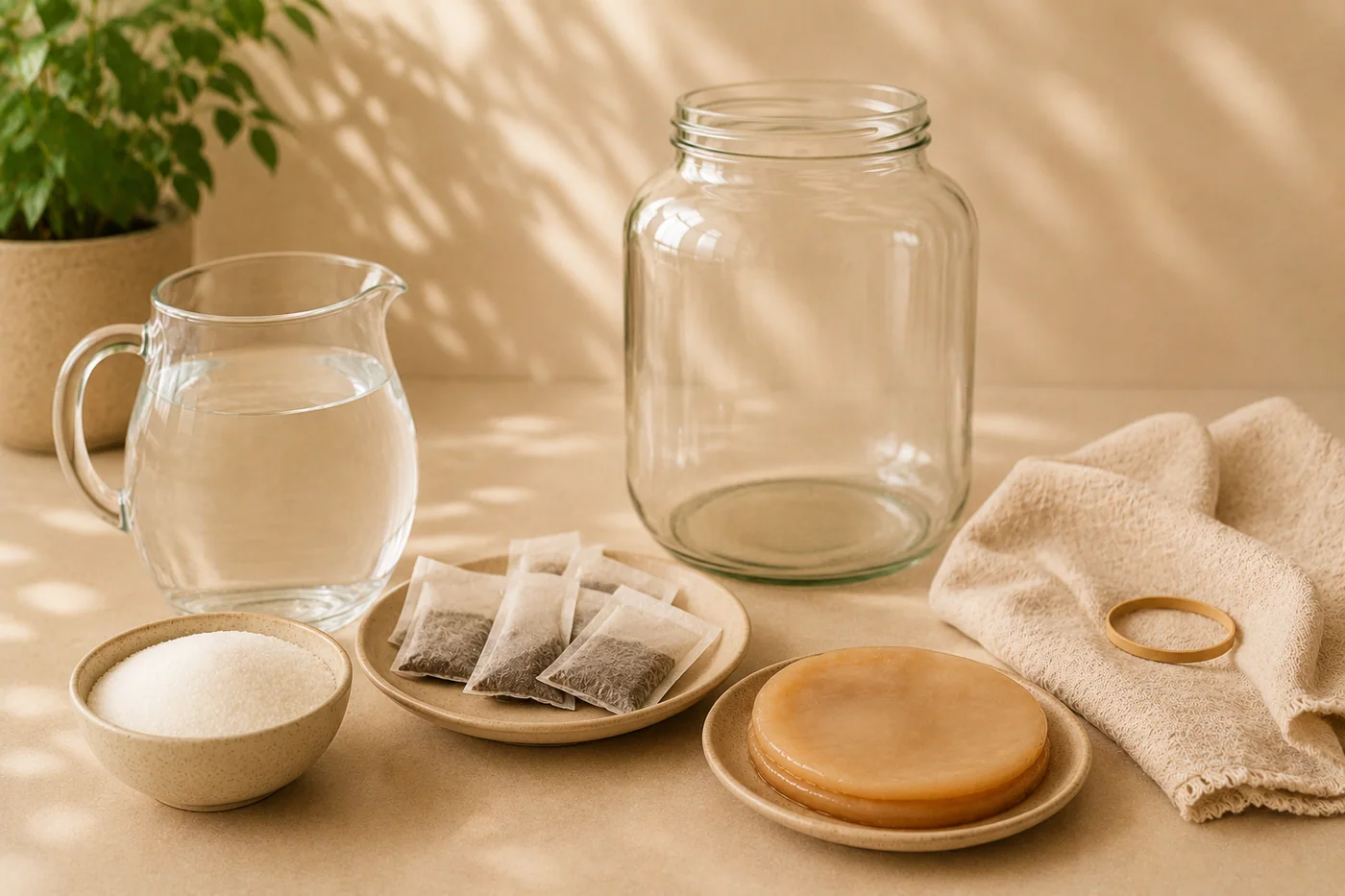


- Brew 1 L of tea
- Dissolve 4 to 5 tbsp of sugar
- Let it cool

- Transfer the cooled tea to a clean glass jar
- Add the SCOBY or starter liquid

- Cover with a clean cloth
- Ferment in a dark, airy spot for 7 to 10 days
Ingredients
- 1 L filtered water
- 4 black, green or white tea bags
- 4 heaping tablespoons of sugar (~70 g)
- 1 SCOBY or 100 mL of unpasteurized kombucha
- A glass jar, a clean cloth and a rubber band
How to make it
-
Brew the tea, dissolve the sugar and let it cool to room temperature.
-
Transfer it to a clean glass jar, add the SCOBY or starter liquid, and cover with a cloth secured by a rubber band.
-
Ferment in a dark, airy spot for 7 to 10 days, between 22 °C and 26 °C. Start tasting from day 7 and stop once the flavor is lightly tart and balanced.
Second fermentation (carbonation and flavor)
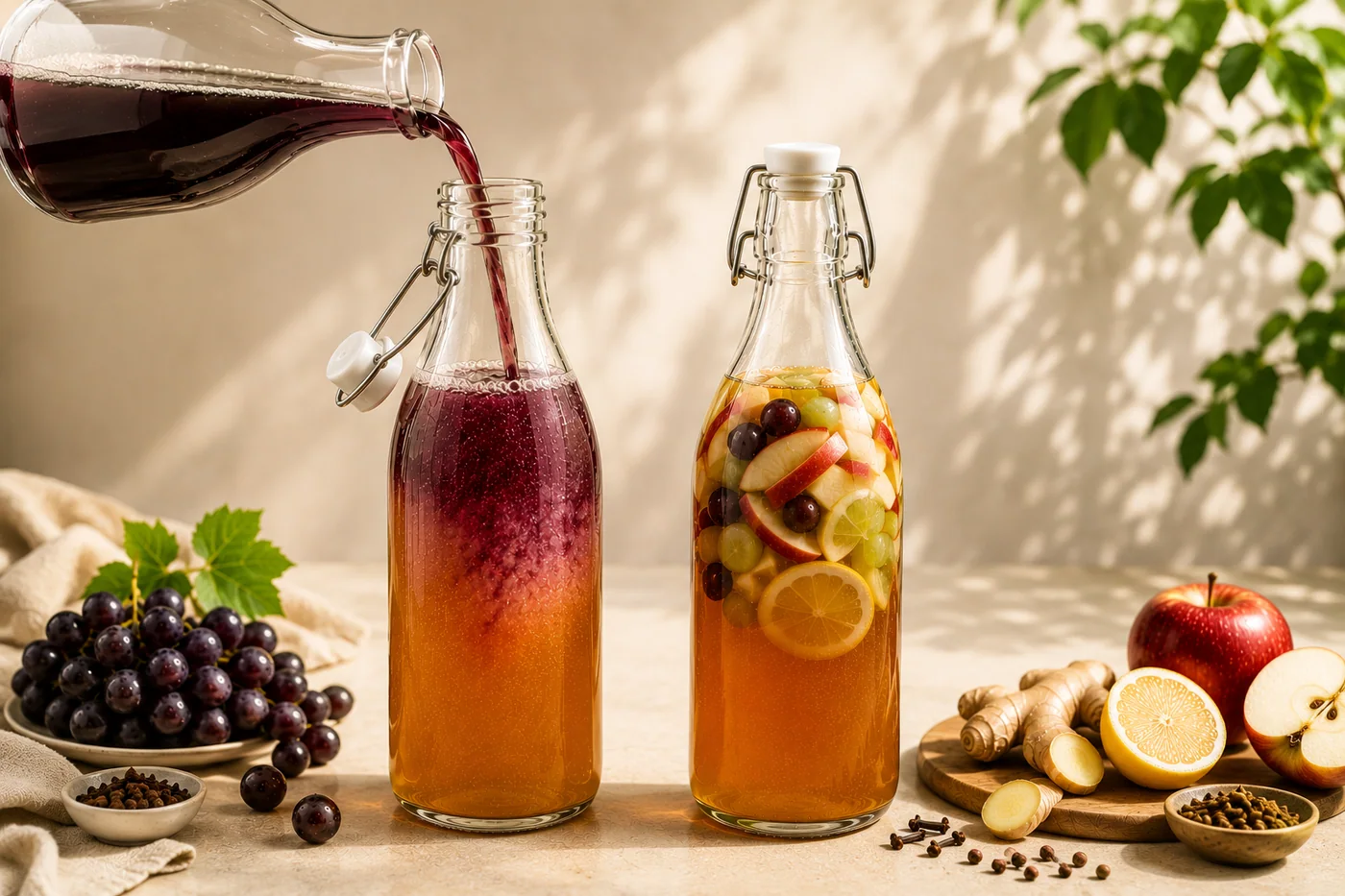
- 70% kombucha from the 1st fermentation
- Up to 30% natural juice/fruit
- Leave room for the gas
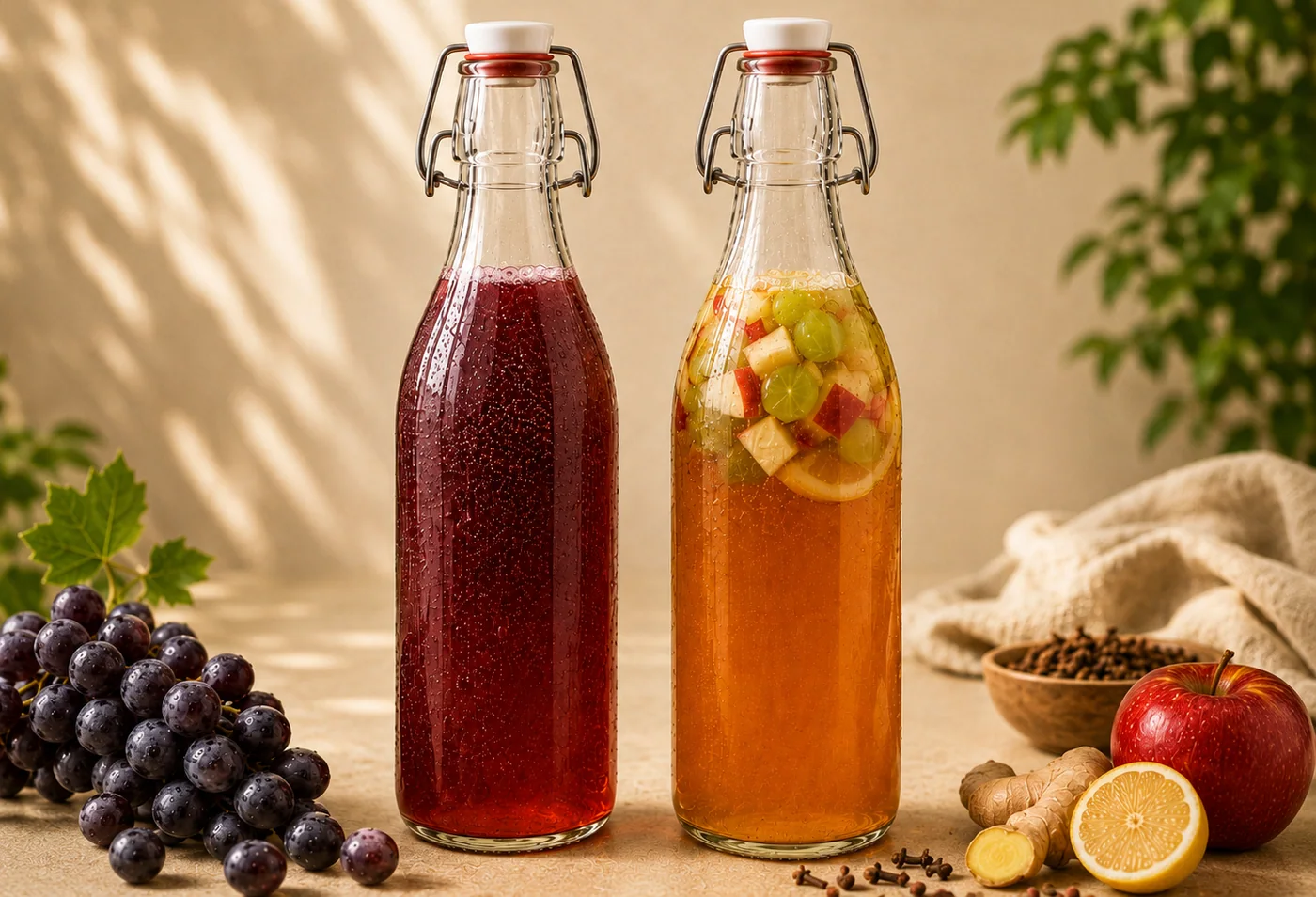
- Seal well and ferment at room temperature
- ~2 to 5 days, depending on pressure
- Whole fruit: remove after 24h
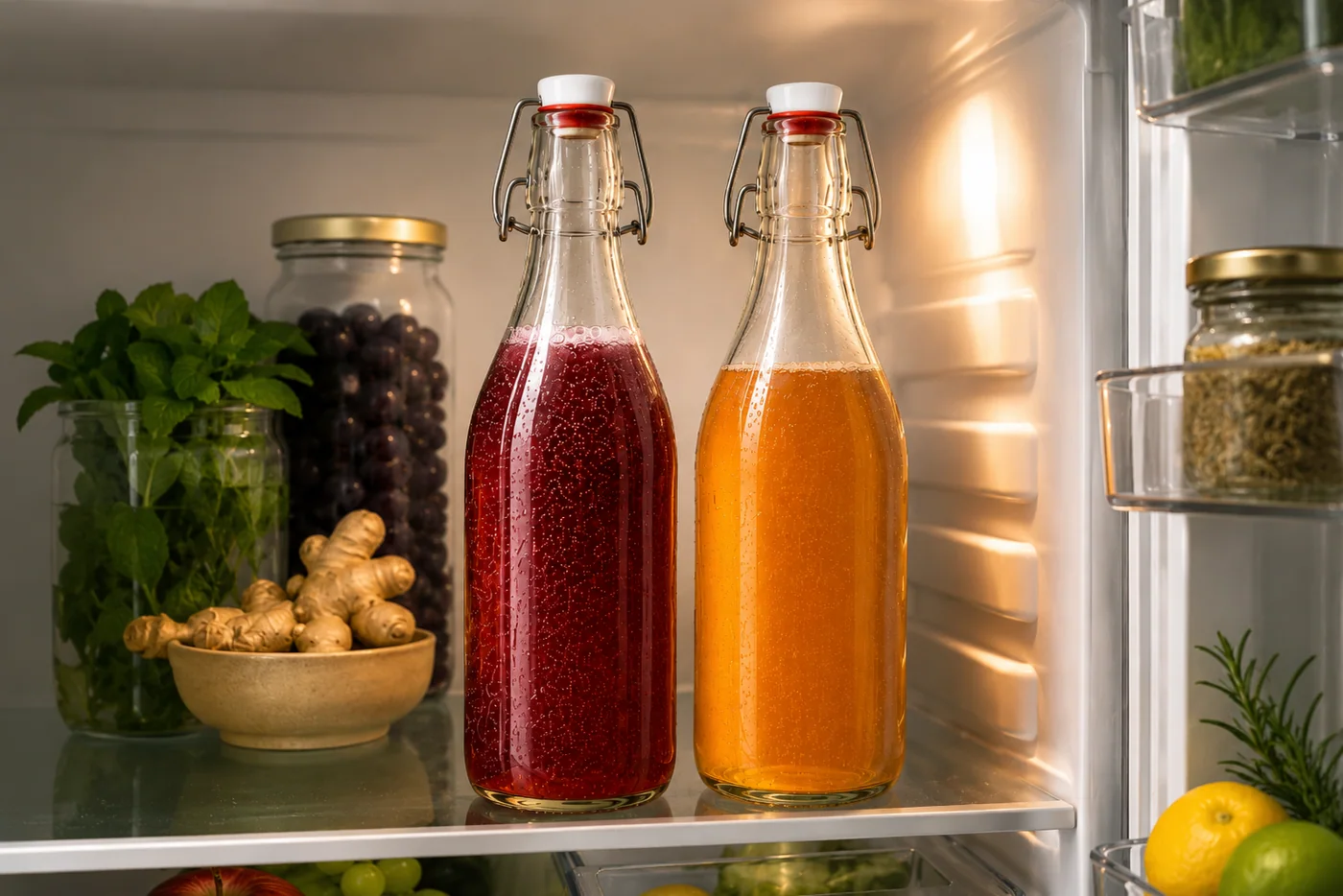
- Refrigerate and drink within 30 days
- Open slowly due to pressure
Ingredients
- A clean, food-grade PET bottle, or a glass bottle rated for carbonated drinks
- Natural juice, fresh fruit or herbs (ginger, mint, hibiscus)
- Kombucha from the first fermentation
How to make it
-
Put up to 30% natural juice, fresh fruit or herbs into the bottle and top up with about 70% strained kombucha from the first fermentation. This ratio gives flavor and substrate for carbonation without excess sugar.
-
Leave free space in the neck for the gas to build up. In a PET bottle, this space also helps you monitor pressure safely.
-
Seal well and let it ferment for 2 to 5 days at room temperature, adjusting for climate, the fruit’s sugar content and bottle pressure. If using whole fruit, remove it after 24 h and let fermentation continue with just the liquid.
-
Open carefully over the sink to release the pressure.
-
Refrigerate once it’s carbonated. The fridge slows fermentation, stabilizes the flavor and helps control pressure.
-
Keep it refrigerated at all times and drink it preferably within 30 days while the bottle stays sealed. Once opened, drink within a few days and discard if you notice mold, an unpleasant smell or a very off flavor.
Safety tip:
- PET is the safest option for tracking pressure.
- Glass: only a bottle rated for fermented drinks.
Who can drink it, and who should be cautious or avoid it
Who can drink it
- Healthy adults: 100 to 200 mL/day as part of a diet based on real food.
- Start with small portions (50 mL) and increase as digestive tolerance allows.
- A good substitute for soda, packaged juices and other sugary drinks.
Cautions and contraindications
- Pregnant and breastfeeding women - due to small amounts of residual ethanol from fermentation and the microbiological variability of homemade production.
- Immunosuppressed people, cancer patients in treatment, transplant recipients - live, unpasteurized drinks carry higher microbiological risk.
- Advanced liver disease or kidney disease - the load of organic acids and residual ethanol calls for caution.
- Young children - a risk profile similar to that of pregnancy.
- Histamine sensitivity, reflux, active gastritis or migraines - acidity and biogenic amines can trigger symptoms.
Clinical evidence and microbiota modulation
Costa et al. (2025) evaluated daily consumption of black tea kombucha for eight weeks in adults with and without obesity:
- Increase in commensal bacteria (Bacteroidota, Akkermanciaceae)
- Rise in Subdoligranulum, a butyrate producer
- Reduction in genera associated with obesity (Ruminococcus, Dorea)
- Greater intestinal fungal diversity
- A more pronounced effect in the group with obesity
Fraiz et al. (2024) compared a hypocaloric diet alone to a diet with 200 mL/day of green tea kombucha for ten weeks in overweight adults:
- Attenuated rise in IL-6 (a marker of low-grade systemic inflammation)
- Reduction in the lipid accumulation product (LAP), a marker of visceral adiposity
- Greater salivary microbiota diversity
Isakov et al. (2023) evaluated 220 mL/day of pasteurized kombucha enriched with inulin and B-complex vitamins for ten days in women with constipation-predominant irritable bowel syndrome (IBS-C):
- Increase in bowel movement frequency (from 0.60 to 0.85 times/day)
- Improved stool consistency on the Bristol scale
- Reduced sensation of incomplete evacuation
- Good palatability as a vehicle for functional nutrition in IBS-C
In summary, kombucha modulates the gut microbiota, reduces inflammatory markers, and acts as a palatable adjunct in digestive conditions like IBS-C.
Bioactive compounds and potential mechanisms
During fermentation, kombucha undergoes metabolic transformations that build a complex matrix of bioactive compounds. Costa et al. (2025) identified 145 phenolic compounds in black tea kombucha, with 81% flavonoids and 19% phenolic acids, including quercetin 3-O-rutinoside, catechin 5-O-gallate, EGCG and 5-O-galloylquinic acid.
- Tea-derived polyphenols, especially flavonoids: catechins, theaflavins and thearubigins from the base tea. Fermentation releases bound polyphenols through enzymatic action (beta-glucosidases from yeast and bacteria), increasing bioavailability and antioxidant activity.
- Organic acids (acetic, gluconic and glucuronic): produced by the SCOBY during fermentation. They lower pH (microbiological stability), and modulate gut motility and the epithelial barrier. Glucuronic acid takes part in liver detoxification pathways through conjugation.
- B-complex vitamins and vitamin C: the SCOBY produces B1, B2, B6, B12, niacin and vitamin C during fermentation, adding to the base tea’s nutritional value.
- Microbial metabolites: bioactive peptides, exopolysaccharides and small amounts of short-chain fatty acids generated by microbial activity. They support the gut barrier and modulate the immune response.
Polyphenols as a prebiotic substrate
One notable contribution of kombucha is its supply of polyphenols that work as a substrate for the colonic microbiota. Hutkins et al. (2025), in an expert recommendation published in Nature Reviews Gastroenterology & Hepatology, included polyphenols among compounds with prebiotic potential - substances selectively used by the host’s microorganisms that confer a health benefit.
The mechanism: glycosylated flavonoids and polymeric polyphenol molecules cross the digestive tract without being absorbed and reach the large intestine, where microbial enzymes (glucuronidases, sulfatases) hydrolyze them and release bioactive metabolites. This process selectively feeds certain gut bacteria, contributing to the effects observed in clinical trials with kombucha (enrichment of Bifidobacterium, Akkermansia and butyrate producers).
In the clinical studies reviewed, this prebiotic effect of kombucha’s polyphenols translates into: an increase in commensal bacteria that produce short-chain fatty acids, a reduction in genera associated with obesity, and enrichment of Ellagibacter isourolithinifaciens, a species involved in the metabolism of dietary polyphenols (Ecklu-Mensah et al., 2024).
Mechanistically, these components are associated with:
- Reduced oxidative stress
- Modulation of inflammatory pathways
- Prebiotic interaction with the gut microbiota via polyphenols and organic acids
- Production of bioactive metabolites, such as short-chain fatty acids
Conclusion
Kombucha shows clinical evidence for modulating the gut microbiota, with particularly notable results in people with excess weight or metabolic disturbance. It’s a meaningful source of polyphenols with documented prebiotic function - compounds that selectively feed beneficial gut bacteria, contributing to short-chain fatty acid production and a reduction in genera associated with obesity. Organic acids from fermentation add to this bioactive profile, with an impact on metabolic and inflammatory health. It works as a direct alternative to replace ultra-processed drinks - like soda and packaged juices - within a diet based on real food.
There is extensive scientific literature and warnings from international bodies linking sugary drink consumption to obesity, type 2 diabetes and cardiovascular disease.
- World Health Organization (WHO): Guideline: Sugars intake for adults and children
- Harvard T.H. Chan School of Public Health: Sugary Drinks
- Centers for Disease Control and Prevention (CDC): Sugar-Sweetened Beverages
References
Scientific studies
Andrade et al., 2025.Kombucha: An Old Tradition into a New Concept of a Beneficial, Health-Promoting Beverage. Foods. 2025;14(9):1547. · Acessar fonte
Key findings
A recent, comprehensive review synthesizing the history, SCOBY microbiology (symbiotic culture of bacteria and yeast), chemical composition and potential effects of kombucha. The authors make an important distinction for patients: kombucha is not, technically, a probiotic - it contains potentially beneficial microorganisms, but doesn't meet the formal criteria of an identified strain and a proven dose. The review also flags variability between homemade batches, contamination risks when preparation isn't controlled, and rare reports of metabolic acidosis with excessive consumption, reinforcing the need for good fermentation practices.
Diez-Ozaeta & Juaristi Astiazaran, 2022.Recent advances in Kombucha tea: Microbial consortium, chemical parameters, health implications and biocellulose production. International Journal of Food Microbiology. 2022;377:109783. · Acessar fonte
Key findings
A review of SCOBY microbiology, kombucha's chemical parameters (pH, organic acids, polyphenols, residual ethanol) and potential health implications. The authors document antioxidant, antimicrobial and anti-inflammatory activity observed in in vitro and animal studies, and describe what the fermentation process actually delivers: acetic acid, gluconic acid, tea-derived polyphenols and small amounts of ethanol - a composition that justifies care with pH and fermentation time.
Jakubczyk et al., 2020.Chemical Profile and Antioxidant Activity of the Kombucha Beverage Derived from White, Green, Black and Red Tea. Antioxidants (Basel). 2020;9(5):447. · Acessar fonte
Key findings
An experimental study comparing kombucha made with white, green, black and red tea. The type of tea influenced pH, residual sugar, acetic acid content, alcohol and antioxidant potential. Green and red teas stood out as sources of antioxidants, especially polyphenols and flavonoids, at specific points in fermentation. The finding reinforces that kombucha's bioactive benefit depends on both the raw material and the fermentation time.
Onsun et al., 2025.Kombucha Tea: A Functional Beverage and All its Aspects. Current Nutrition Reports. 2025;14:69. · Acessar fonte
Key findings
A review of kombucha as a functional beverage, describing its definition, fermentation, bioactive components and health effects. The article highlights that fermentation transforms sugar into ethanol and acetic acid, generating a tart flavor and a bioactive profile with organic acids, antioxidants and live microorganisms. The authors discuss benefits for digestive health, immune function and antioxidant activity.
Ecklu-Mensah et al., 2024.Modulating the human gut microbiome and health markers through kombucha consumption: a controlled clinical study. Scientific Reports. 2024;14(1):31647. · Acessar fonte
Key findings
An eight-week controlled clinical trial with 24 healthy adults, with four weeks of kombucha intervention. Consumption caused measurable shifts in gut microbiota composition, without significant changes in serum inflammatory markers. The authors frame kombucha as a supporting factor for the microbiota within a healthy diet.
Costa et al., 2025.Regular Consumption of Black Tea Kombucha Modulates the Gut Microbiota in Individuals with and without Obesity. The Journal of Nutrition. 2025;155(5):1331-1349. · Acessar fonte
Key findings
An eight-week clinical trial with 46 participants - half with normal weight, half with obesity - evaluating regular consumption of black tea kombucha. Kombucha increased butyrate-producing bacteria (such as Subdoligranulum) and reduced Ruminococcus and Dorea, genera associated with obesity, with a more pronounced effect in the group with obesity. The drink was chemically characterized with 145 phenolic compounds, predominantly flavonoids. This suggests kombucha's effect on the microbiota is more relevant when the terrain is more disturbed to begin with.
Liao et al., 2024.Nature of back slopping kombucha fermentation process: insights from the microbial succession, metabolites composition changes and their correlations. Frontiers in Microbiology. 2024;15:1433127. · Acessar fonte
Key findings
An experimental study that tracked 12 days of kombucha fermentation, characterizing microbial dynamics and metabolite profile. Progressive acidification (falling pH from acetic and gluconic acid production) is the main safety mechanism - it inhibits contaminants and pathogens. The study also identified biogenic amines that increase over the course of fermentation, especially in very long fermentations - a practical argument for not over-extending fermentation time and for refrigerating once the flavor is right.
Fraiz et al., 2024.Green Tea Kombucha Impacts Inflammation and Salivary Microbiota in Individuals with Excess Body Weight: A Randomized Controlled Trial. Nutrients. 2024;16(18):3186. · Acessar fonte
Key findings
A ten-week randomized controlled trial with 59 overweight adults, comparing a hypocaloric diet alone to a hypocaloric diet with 200 mL/day of green tea kombucha. Weight loss didn't differ between groups, but the kombucha group showed an attenuated rise in IL-6 (a marker of low-grade systemic inflammation), a reduction in the lipid accumulation product (LAP, a marker of visceral adiposity), and greater salivary microbiota diversity. The study positions kombucha as an anti-inflammatory adjunct and modulator of the oral microbiota.
Isakov et al., 2023.Evaluation of the Efficacy of Kombucha-Based Drink Enriched with Inulin and Vitamins for the Management of Constipation-Predominant Irritable Bowel Syndrome in Females: A Randomized Pilot Study. Current Developments in Nutrition. 2023;7(12):102037. · Acessar fonte
Key findings
A randomized pilot trial with 40 women with constipation-predominant irritable bowel syndrome (IBS-C). The group that drank 220 mL/day of pasteurized kombucha enriched with inulin and B-complex vitamins for ten days showed an increase in bowel movement frequency (from 0.60 to 0.85 times/day), improved stool consistency on the Bristol scale, and reduced sensation of incomplete evacuation. Since the kombucha was pasteurized and enriched with inulin, part of the effect is attributable to the prebiotic and the drink's organic acids. The study positions enriched kombuchas as palatable, well-tolerated vehicles for functional nutrition in IBS-C.
Hutkins et al., 2025.Classifying compounds as prebiotics - scientific perspectives and recommendations. Nature Reviews Gastroenterology & Hepatology. 2025;22:54-70. · Acessar fonte
Key findings
An ISAPP expert recommendation establishing updated criteria for classifying a compound as a prebiotic: a substrate with a defined identity, selectively used by the host's microbiota, conferring a health benefit proven in a clinical study. The document includes polyphenols among compounds with prebiotic potential, explaining that glycosylated flavonoids and polymeric molecules reach the colon intact and are metabolized by bacterial enzymes (glucuronidases, sulfatases), releasing bioactive metabolites. This framework underpins the understanding of how kombucha's polyphenols can modulate the gut microbiota.
Informational content. Health recommendations and protocols require individual assessment by qualified professionals.