Real food
Bone broth: homemade preparation, evidence and smart use
A homemade culinary preparation rich in gelatin, amino acids and natural flavor, useful for replacing ready-made stocks, instant soups and ultra-processed bases high in sodium and additives.
Published May 2026
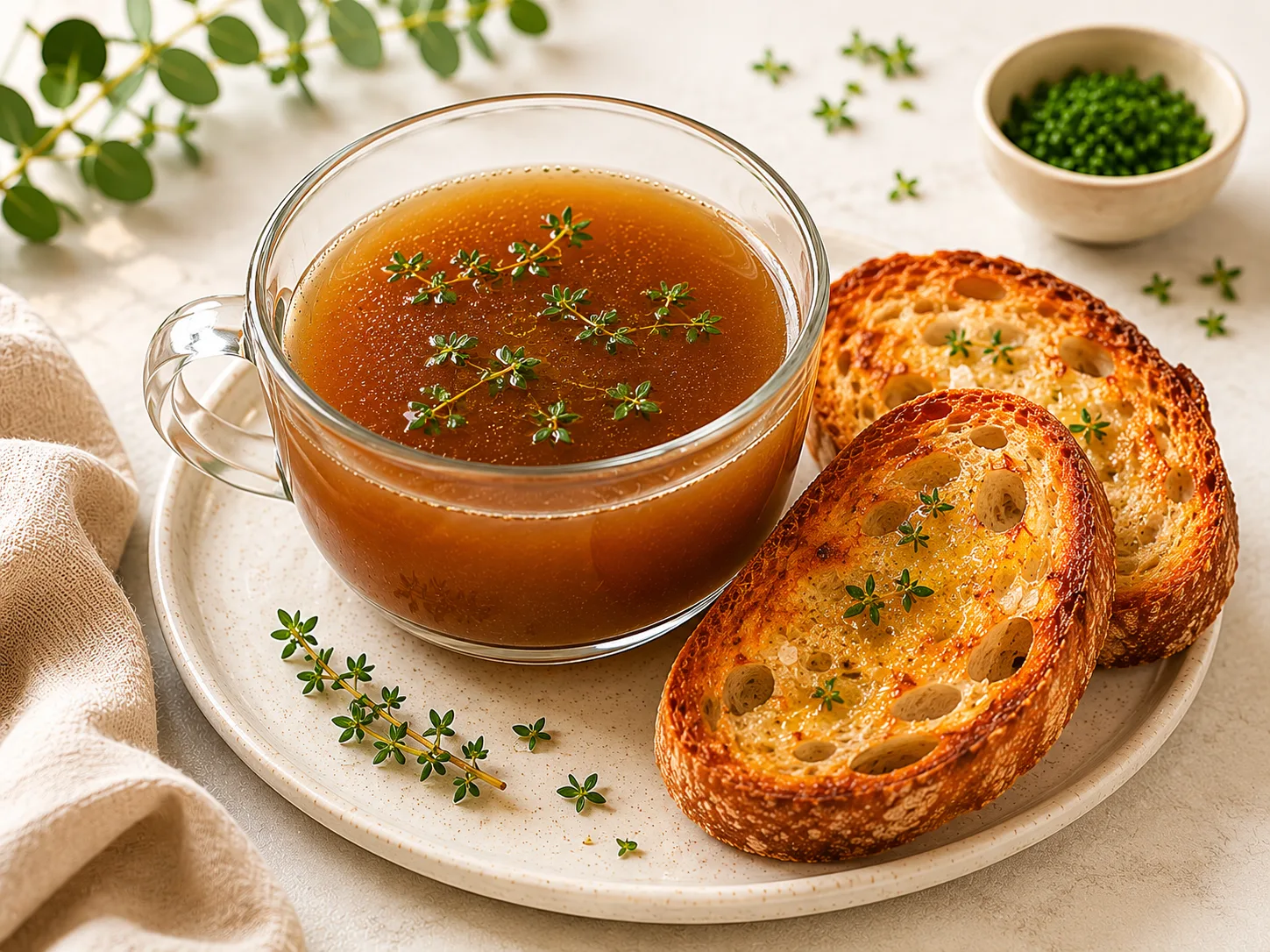
Bone broth is a homemade, minimally processed culinary preparation made by slowly simmering bones, cartilage, connective tissue, water, herbs and a little salt.
Main points:
- Delivers natural flavor, gelatin, amino acids and collagen-derived compounds.
- Helps replace ready-made stocks, industrial seasonings, instant soups and ultra-processed culinary bases.
- Reduces reliance on products high in sodium, flavor enhancers, additives and preservatives.
- Works as a base for soups, vegetables, rice, risottos, light sauces and homemade meals.
- Fits into the protocol as a practical routine tool, not as a stand-alone promise.
Where bone broth fits into care
The smartest place for bone broth is in everyday cooking: a simple base that turns homemade food into something more flavorful, nutritious and easy to sustain.
In a clinical-educational context, it can act as a supporting element in strategies for:
- Gut: by favoring light, warm, strained preparations with a lower load of ultra-processed foods.
- Joints and skin: by offering gelatin and collagen-related amino acids, within a diet with adequate protein.
- Weight loss: by replacing industrial bases and supporting more satiating, organized meals.
- Inflammation: by helping reduce ultra-processed foods, excess sodium and additives in the routine.
- Gut barrier and “leaky gut”: by favoring a dietary pattern that engages better with the microbiota, biological barriers and the gut-brain axis.
That’s the safe message: homemade bone broth is best used as a simple food tool to reduce ultra-processed foods, improve homemade preparations, increase collagen-derived compounds, and offer a light, flavorful culinary base with a lower sodium load when prepared without excess salt.
Types of bones and recommended formulation
The choice of bones changes texture, flavor and final composition.
- Joint bones, knee, oxtail, chicken feet and cartilage-rich carcass: good choices when the goal is gelatin formation, since they concentrate more connective tissue and collagen.
- Marrow bones: contribute flavor, fat and palatability.
- Beef short ribs: add flavor and body, and work best combined with joint bones.
The final broth’s mineral content depends on time, acidity, type of bone, animal species, water-to-bone ratio and preparation method. Because of this, broth is a good culinary base, but shouldn’t be marketed as a major, predictable source of calcium or magnesium.
For the best texture and gelatinization, combine:
- 50% joint or cartilaginous bones
- 25% marrow bones
- 25% carcass, ribs, neck, wing or chicken feet
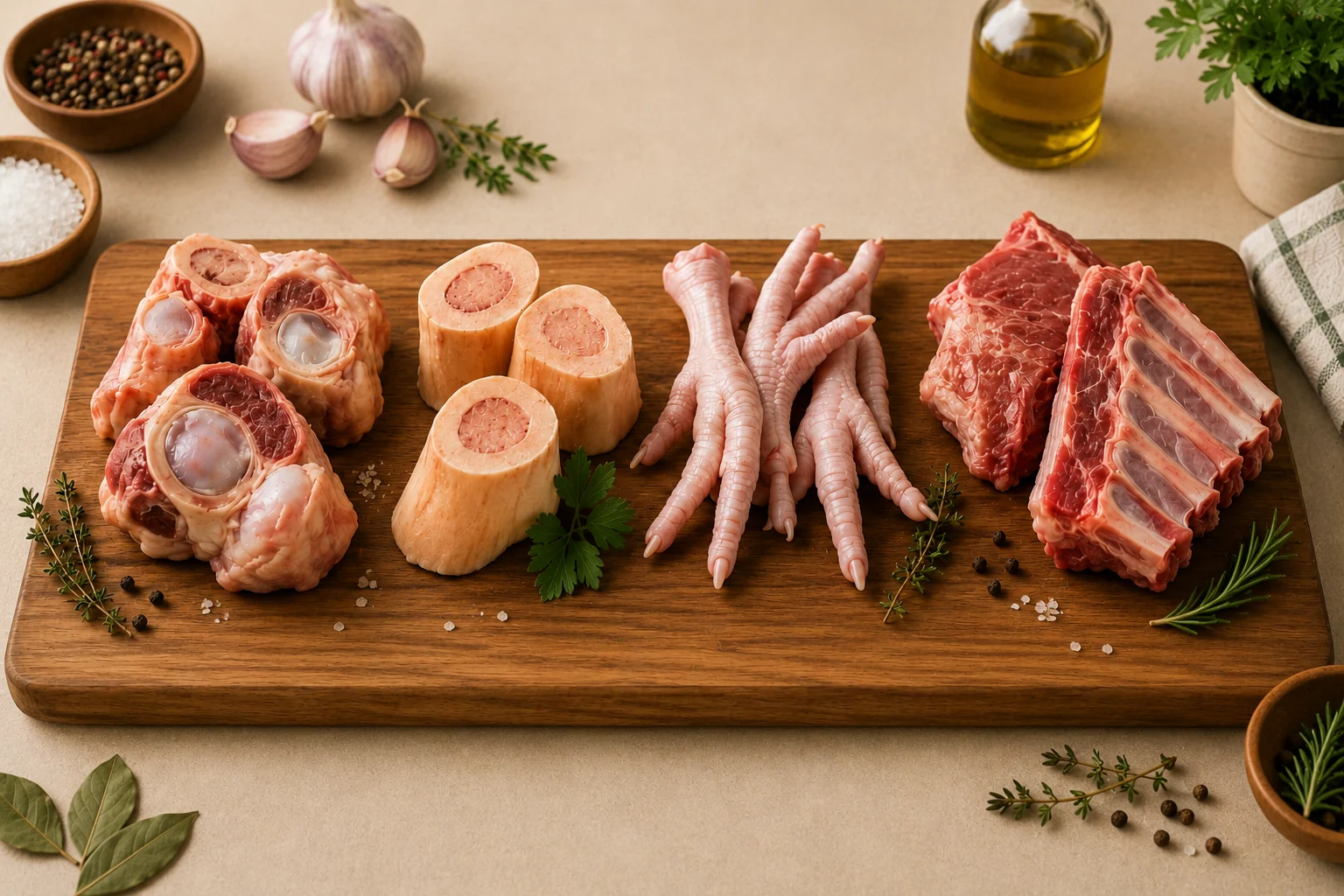
A practical combination for gelatinization, flavor and body:
- Joint bones: knuckle, knee and joints, rich in cartilage and collagen.
- Marrow bones: add flavor, fat and palatability.
- Chicken feet: support gelatinization and are rich in collagen.
- Carcass or ribs: add flavor and body; combine them with other bones.
Safe homemade recipe
Ingredients
- 1.0 to 1.5 kg of assorted bones
- Enough water to cover the bones
- 1 to 2 tablespoons of apple cider vinegar
- 1 carrot, optional
- 1 celery stalk, optional
- The green part of a leek or scallion, optional
- Bay leaf, thyme, rosemary or parsley, optional
- Salt only at the end, in a small amount
If you want to intensify the flavor, roast the bones for 30 to 45 minutes at 200 to 205 degrees C before cooking. This step is optional. For patients with gastritis or reflux, the lighter version tends to work better: lightly roasted, strained, and with the visible fat removed after chilling.
How to make it
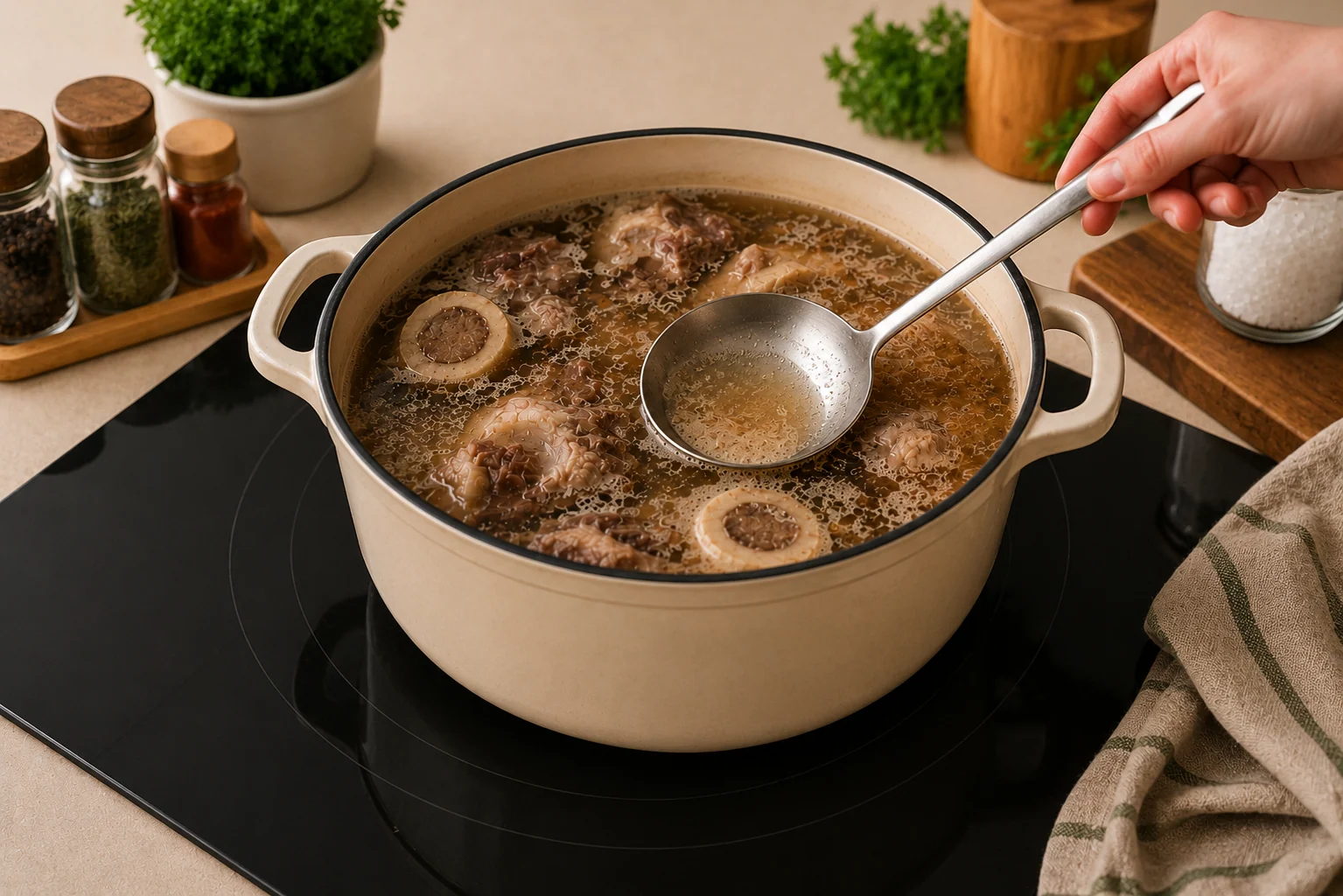
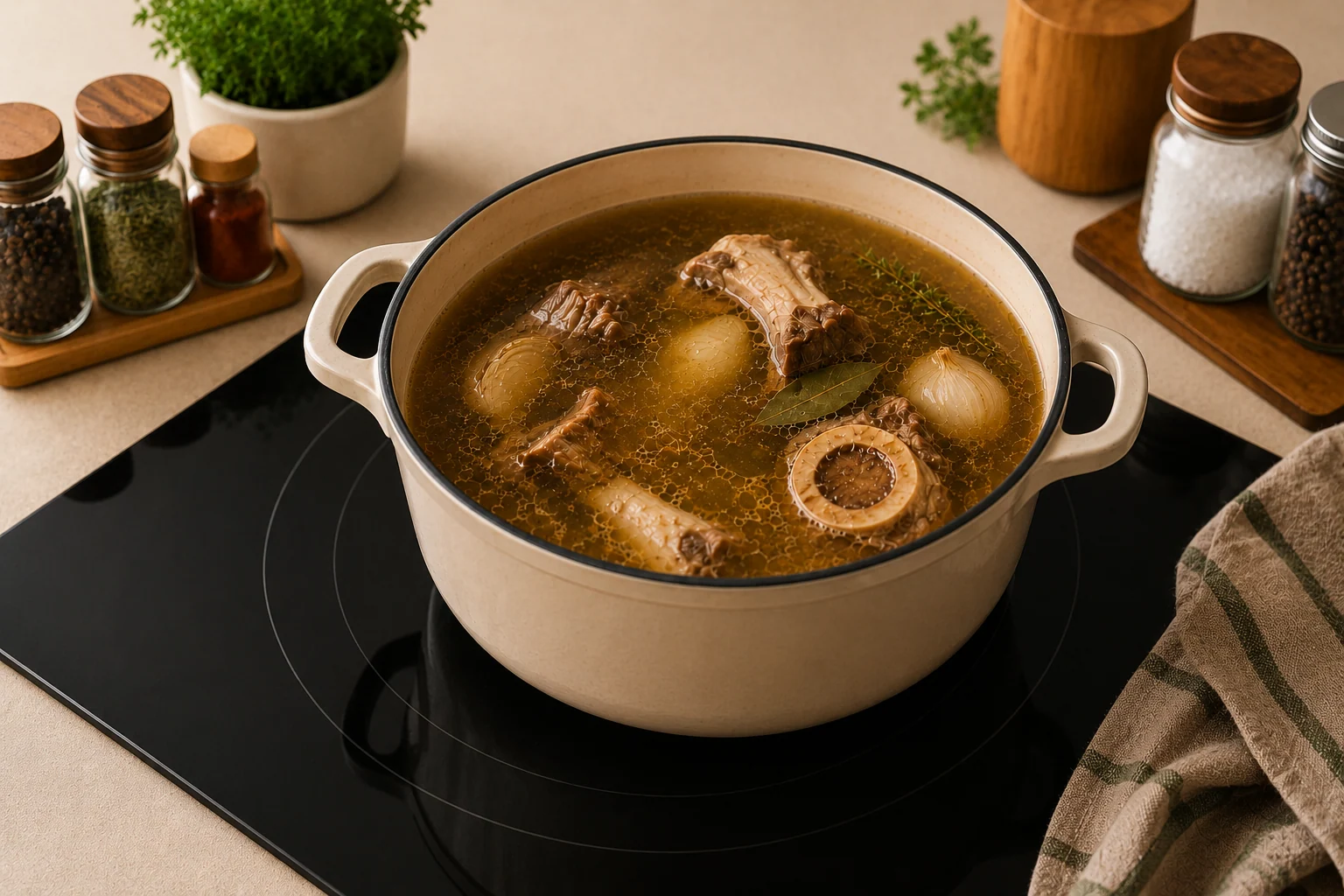
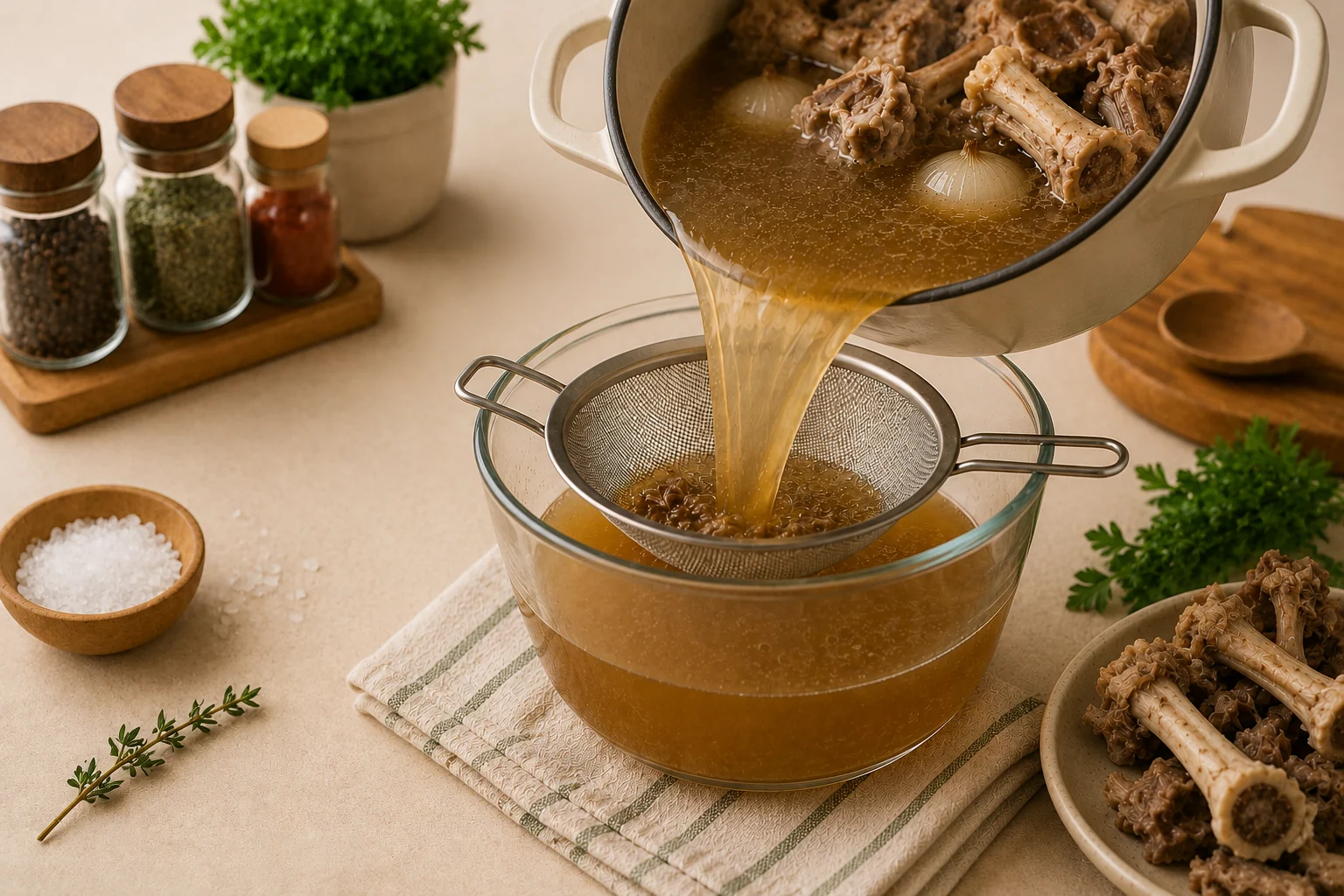
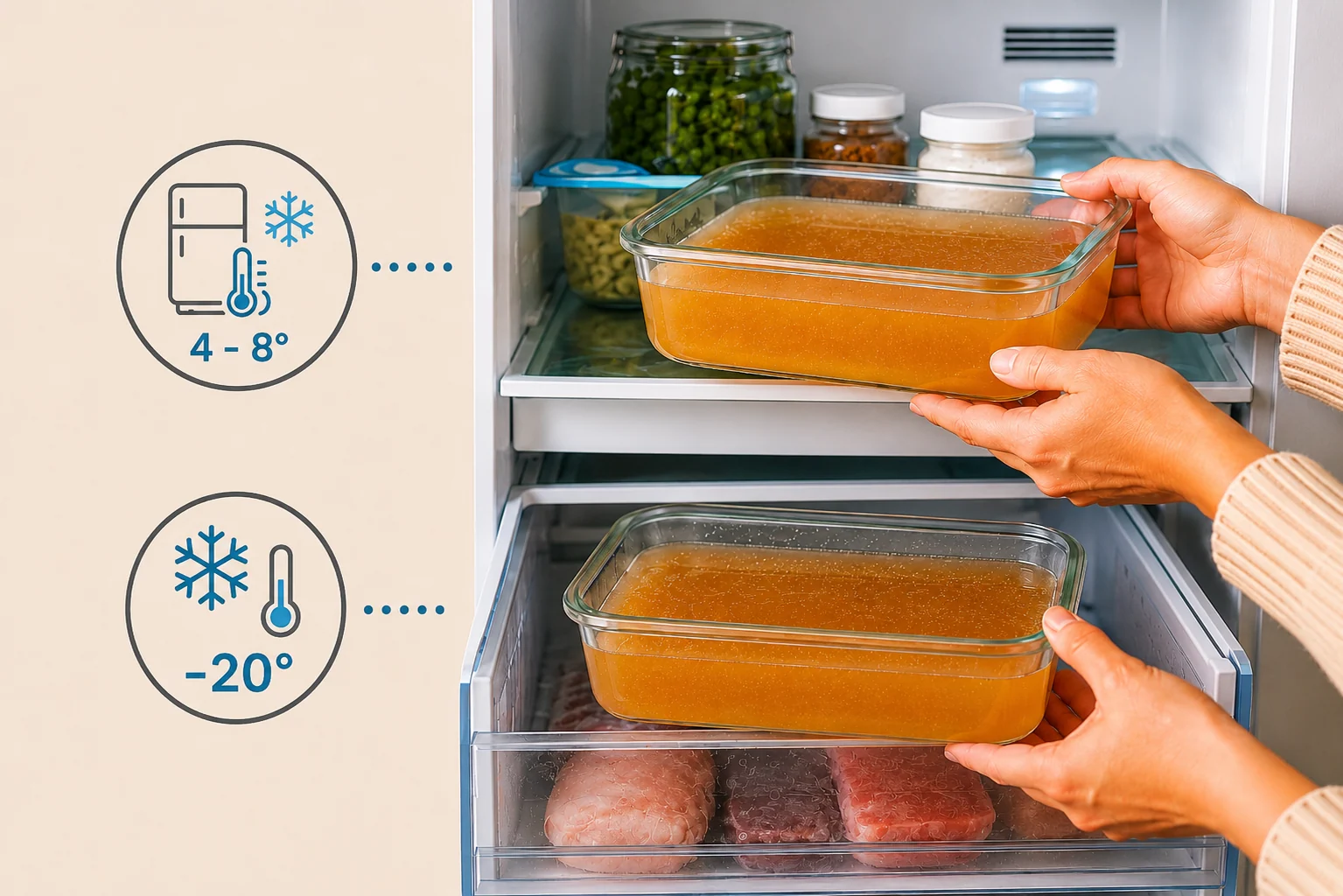
-
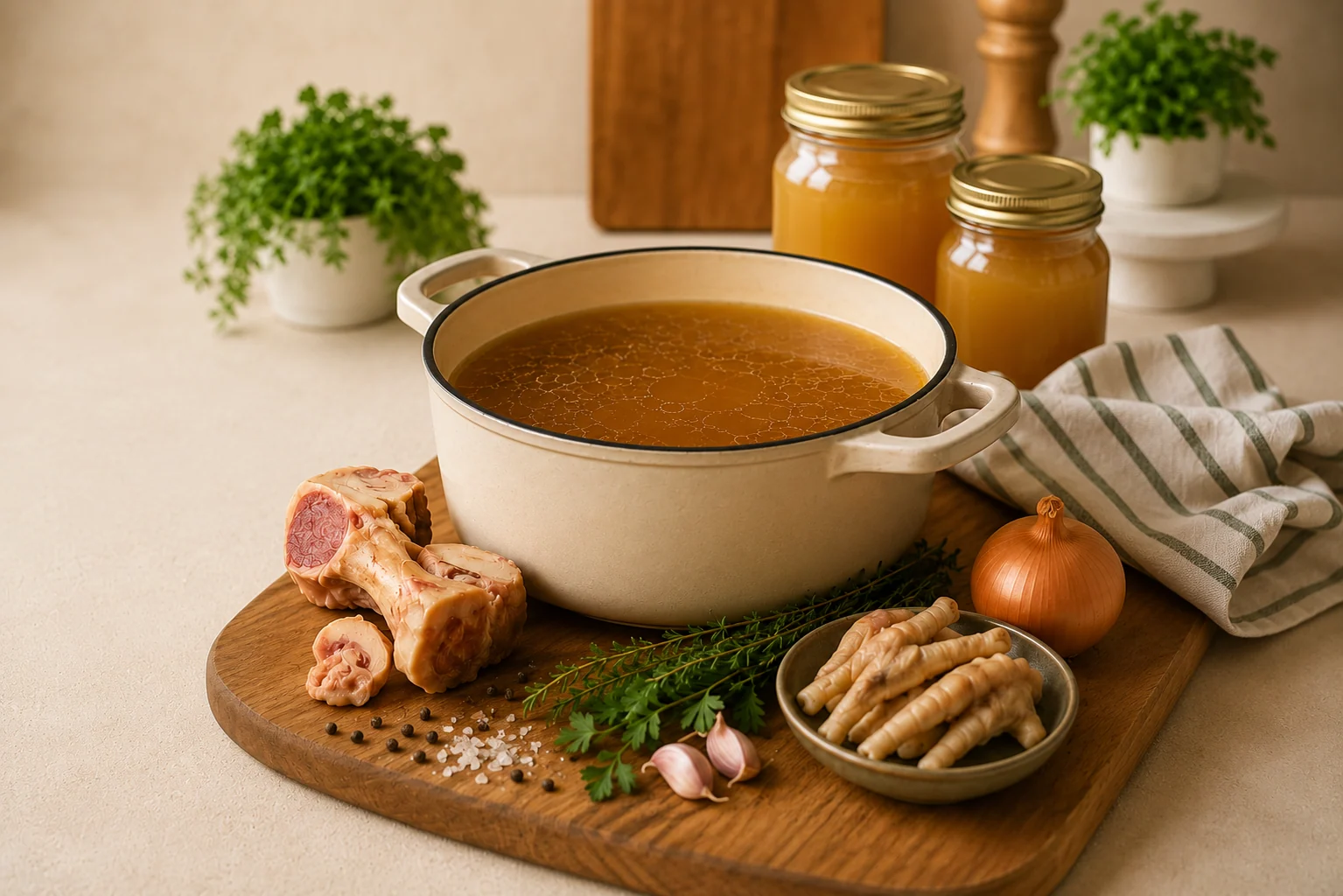
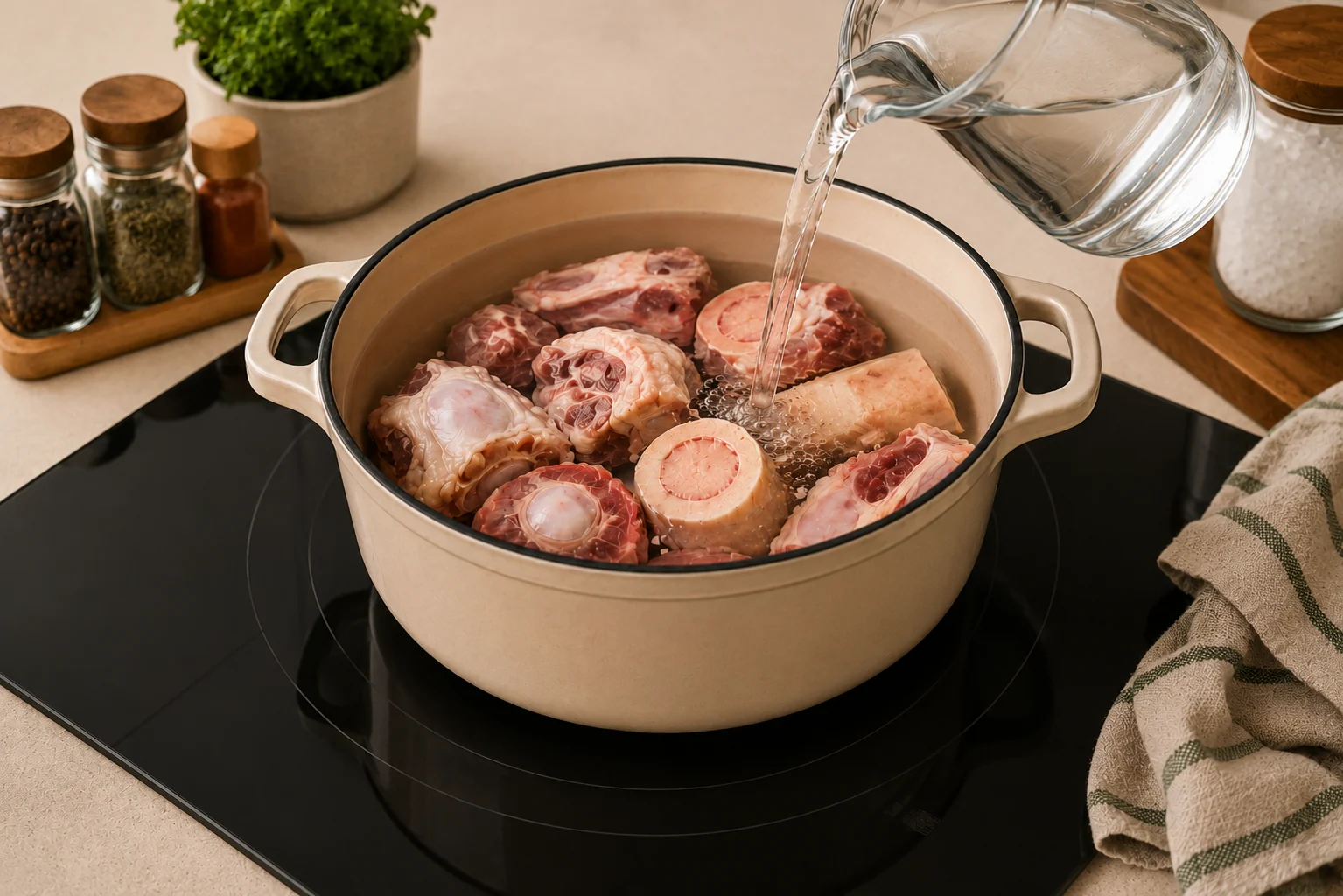
Place the bones in a large pot.
-
Cover with cold water.
-
Add 1 to 2 tablespoons of apple cider vinegar.
-
Let it sit for 20 to 30 minutes before heating.
-
Heat until it reaches a light simmer.
-
Reduce to very low heat.
-
Skim off the initial foam from the surface during the first 20 to 30 minutes.
-
Cook slowly: 6 to 12 hours for chicken broth and 8 to 24 hours for beef broth.
-
Strain.
-
Cool quickly in shallow containers.
-
Refrigerate.
-
Once chilled, remove the excess solidified fat from the surface, especially for patients with reflux or sensitive digestion.
-
Use in small portions as a base for soups, vegetables, rice, risottos, light sauces and homemade preparations.
Food safety
The broth should be refrigerated within 2 hours of preparation. To cool it safely, divide it into shallow containers. Keep it in the fridge for 3 to 4 days or freeze it in small portions.
Reheat only the portion that will be consumed.
How to use it in the protocol
Practical use:
- 1 small cup a day, if well tolerated
- or 1/2 cup as a base for soup or vegetables
- start with a small amount for patients with a sensitive gut
- prefer a strained version, without visible fat and with little salt
Broth works best when it becomes the base of a meal: soup with vegetables and protein, rice cooked with homemade broth, a simple risotto, a light sauce, cooked vegetables, or a small mug on days with lower appetite.
Who can benefit and who should be cautious
Who can benefit
- People wanting to improve their diet quality and reduce ultra-processed foods.
- Patients who want to lower sodium, additives and industrial seasonings.
- People with low protein intake or low tolerance for solid foods during some periods.
- Anyone with difficulty chewing who needs light, warm, easy-to-consume preparations.
- Families wanting a homemade culinary base for soups, vegetables, rice, risottos and sauces.
Who should be cautious or avoid it
- Chronic kidney disease or protein, potassium, phosphorus or sodium restriction - adjust with the health care team.
- Hypertension or heart failure - use only the low-salt version and control portion size.
- Gout or hyperuricemia - avoid large volumes of concentrated meat broths.
- Histamine sensitivity, histamine-sensitive migraine, or intolerance to long-cooked foods - test small portions or avoid if there's a clear worsening.
- FODMAP-sensitive IBS - prepare without garlic, onion and excess leek.
- Reflux or gastritis - prefer a strained, low-fat, lightly seasoned and less concentrated broth.
What the Bone Broth Diet study showed
The 2025 study evaluated adults aged 35 to 65 with obesity, BMI 30.0 to 39.9 kg/m2, metabolically free of serious disease for the protocol. The intervention lasted 56 days and combined two 21-day phases of the Bone Broth Diet, each followed by 7 days of maintenance.
The study design matters:
- Open-label clinical trial
- Single arm
- No control group
- Combined intervention
- Bone broth used alongside 5:2 intermittent fasting, a low-carbohydrate diet, higher protein content, portion control and walking
On eating days, participants had three meals with protein, fruit, vegetables and healthy fats, plus two servings of bone broth as a snack.
On fasting days, they consumed bone broth roughly every 2 hours, totaling seven servings a day. If needed, a small protein snack was allowed.
During maintenance, they used an 80:20 rule: 80% of meals with foods encouraged by the protocol and 20% with foods outside the list.
The prescribed exercise was light physical activity, such as walking, for 20 to 30 minutes a day. In the first week of each phase, exercise wasn’t mandatory, to allow for adaptation.
Main results:
- An average loss of 4.8 kg in the first phase
- An additional average loss of 2.6 kg in the second phase
- A total average loss of 7.7 kg by the end of 56 days
- A reduction in waist circumference
- A reduction in fasting glucose
- A reduction in body fat
- A percentage increase in muscle mass
- Less hunger and less craving for foods outside the protocol
- Sustained satisfaction after meals
- Improvement in quality-of-life domains
The critical reading is simple: the result was favorable, but it belongs to the combined program, not to the broth alone. For the patient, the practical message is stronger this way: bone broth can help when it’s part of a structured routine, with planned meals, enough protein, less ultra-processed food, and daily movement.
Conclusion
Homemade bone broth is a simple, flavorful food tool consistent with InovaSaude’s philosophy: stepping away from ready-made products and back into the kitchen that’s actually possible.
Its best clinical-educational use is replacing ultra-processed bases, reducing excess sodium, improving homemade preparations, increasing collagen-derived compounds, and offering a light base for more organized meals.
It doesn’t need to be treated as a cure to be valuable. When prepared with good technique, little salt, and attention to individual tolerance, broth helps build a dietary routine that’s more homemade, gentler on the gut, and easier to maintain.
References
Scientific studies
Lane et al., 2024.Ultra-processed food exposure and adverse health outcomes: umbrella review of epidemiological meta-analyses. BMJ. 2024;384:e077310. · Acessar fonte
Key findings
An umbrella review that consolidated 45 meta-analyses with 9.8 million participants across seven health domains. Ultra-processed food exposure was associated with 71% of the outcomes evaluated. Convincing evidence (class I, the highest level in this review) was found for: a 50% higher risk of death from cardiovascular disease, a 48% higher risk of anxiety, and a 53% higher risk of common mental disorders. The dose-response relationship with type 2 diabetes was rated convincing and of moderate GRADE quality - for every additional 10% of calories from ultra-processed foods, diabetes risk rises 12%. Replacing ready-made stocks, industrial seasonings and instant soups with homemade preparations is one of the most direct changes to reduce this exposure.
Dicken et al., 2025.Ultraprocessed or minimally processed diets following healthy dietary guidelines on weight and cardiometabolic health: a randomized, crossover trial. Nature Medicine. 2025;31:3297-3308. · Acessar fonte
Key findings
The first randomized crossover clinical trial to compare an ultra-processed diet and a minimally processed diet within the same national nutrition guidelines - both following the British Eatwell Guide, with the same macronutrient and food-group targets. In 55 adults with overweight or obesity over 8 weeks, the minimally processed diet produced significantly greater weight loss (-2.1% vs -1.1%), a fat-mass reduction of 1.6 kg vs 0.6 kg, and a drop in triglycerides only in the minimally processed group. The results confirm that the degree of processing matters for health even when nutritional composition is equivalent, and reinforce replacing industrial products with homemade preparations as a strategy independent of traditional nutritional targets.
WHO, 2025.World Health Organization. Sodium reduction. Fact sheet. 2025. · Acessar fonte
Key findings
WHO recommends less than 2000 mg of sodium per day for adults, roughly just under 1 level teaspoon of table salt (a full teaspoon contains approximately 2300 mg of sodium). Processed products, industrial condiments and instant foods account for a significant share of the sodium consumed in the modern diet. Preparing homemade broth with herbs and little salt, added only at the end of cooking, and using it instead of bouillon cubes or packets directly reduces this load. Preferring fresh or dried herbs over ready-made seasonings supports broth as a culinary base with less pressure on sodium intake.
Aburto & Cryan, 2024.Gastrointestinal and brain barriers: unlocking gates of communication across the microbiota-gut-brain axis. Nature Reviews Gastroenterology & Hepatology. 2024;21:222-247. · Acessar fonte
Key findings
A high-impact review (Nature Reviews) on the biological barriers along the microbiota-gut-brain axis: the intestinal epithelial barrier, the gut-vascular barrier, the blood-brain barrier and the choroid plexus barrier. The article shows that the gut microbiota actively regulates the integrity of these barriers through dietary metabolites, especially short-chain fatty acids like butyrate and propionate, produced by the fermentation of dietary fiber. These compounds protect both the gut barrier and the blood-brain barrier in experimental models. The article proposes moving away from the simplistic term 'leaky gut' toward a more precise understanding: diet and microbiota regulate an integrated system of barriers connecting gut and brain, and dietary pattern influences this communication in a biologically measurable way.
Naba, 2024.Mechanisms of assembly and remodelling of the extracellular matrix. Nature Reviews Molecular Cell Biology. 2024;25:865-885. · Acessar fonte
Key findings
A comprehensive review of the extracellular matrix, the protein scaffold that supports every tissue in the body, composed mainly of collagens, fibronectin, laminins and proteoglycans. The article details how collagen synthesis depends directly on the availability of amino acids like glycine and proline, and how matrix remodeling is constant and regulated in part by the circadian clock: procollagen secretion occurs predominantly at night and fibril assembly during the day. Bone broth's bioactive content, collagen-derived amino acids, gelatin, and connective-tissue peptides, can be read in this context as raw material the body uses in its ongoing process of rebuilding and remodeling the extracellular matrix in joints, skin and connective tissue.
Doma et al., 2025.An open-label clinical trial to investigate the safety and efficacy of a bone broth diet on weight loss in adults with obesity. Clinical Nutrition Open Science. 2025;61:282-296. · Acessar fonte
Key findings
A clinical trial with 100 adults with obesity (BMI 30-39.9 kg/m2) over 56 days. The protocol combined bone broth, 5:2 intermittent fasting, a low-carbohydrate, higher-protein diet, portion control and light daily walking. Results after the two cycles: an average loss of 7.7 kg, a 6.3 cm reduction in waist circumference, a drop in fasting glucose and triglycerides, a 1.9% increase in muscle mass, and a 2.2% reduction in body fat, with weight maintained during the 80:20 maintenance periods. Participants reported less hunger, less food craving, and improved physical and emotional quality of life. Because the design had no control group and the intervention was combined, the results belong to the program as a whole, but they document that bone broth plays a structural role in an organized eating protocol with clinically relevant results.
Su et al., 2026.Effects of Controlled Atmosphere Conditions on the Quality Characteristics, Physicochemical and Antioxidant Properties of Pork Bone Broth. Foods. 2026;15(7):1188. · Acessar fonte
Key findings
A systematic experimental study evaluating how ventilation time, ventilation frequency and cooking duration modify the quality of pork bone broth. The optimal conditions identified (1 second of ventilation, 60 cycles per minute, 30 minutes of cooking) maximized sensory profile, free amino acid composition, including glutamate and lysine, associated with umami, and antioxidant activity. The study quantified that the preparation method directly modifies the profile of 1 to 7 kDa peptides, which contribute to texture and palatability, as well as altering emulsion stability and flavor compounds. Care in home preparation, temperature, cooking time, type of bone, has a technical basis for affecting the final result.
Informational content. Health recommendations and protocols require individual assessment by qualified professionals.