Muscle, energy and kidney health
Creatine: strength, health and reading blood tests.
Creatine enhances strength gains from training and is being studied in ageing and brain health. Supplementation can also raise blood creatinine, which calls for an informed reading of the lab report.
Benefits in muscle, open questions for the brain and well-monitored kidneys.
Published October 2026
Creatine monohydrate is one of the most studied supplements in nutrition. Combined with strength training, it increases strength and performance in intense efforts, including in people aged 60 or older. It is also studied in muscle recovery, neuromuscular diseases, the brain and mood, areas where research is advancing with early results.
Some creatine is converted into creatinine. Supplementation can therefore raise this result even when kidney filtration is preserved. This article explains the mechanisms, what studies show and how guidelines inform kidney assessment.
Scientific review and manufacturer-page check: October 8, 2026.
How creatine works in the body
Creatine is a ready-to-use energy reserve. The body produces about half of what it needs and obtains the rest from food, mainly meat and fish, as a 2026 review describes. Synthesis takes place mainly in the kidneys and liver, in two steps: the enzyme AGAT joins arginine and glycine to form guanidinoacetate; the enzyme GAMT then adds a methyl group and completes creatine, according to the ISSN position stand.
About 95% of the body’s creatine is stored in skeletal muscle; the rest is mainly in the brain and testes. Two thirds of it is phosphocreatine. To enter cells, creatine depends on a specific transporter, SLC6A8. The amount of this transporter varies between people according to genetics and diet, which helps explain why the response to the supplement differs from person to person.
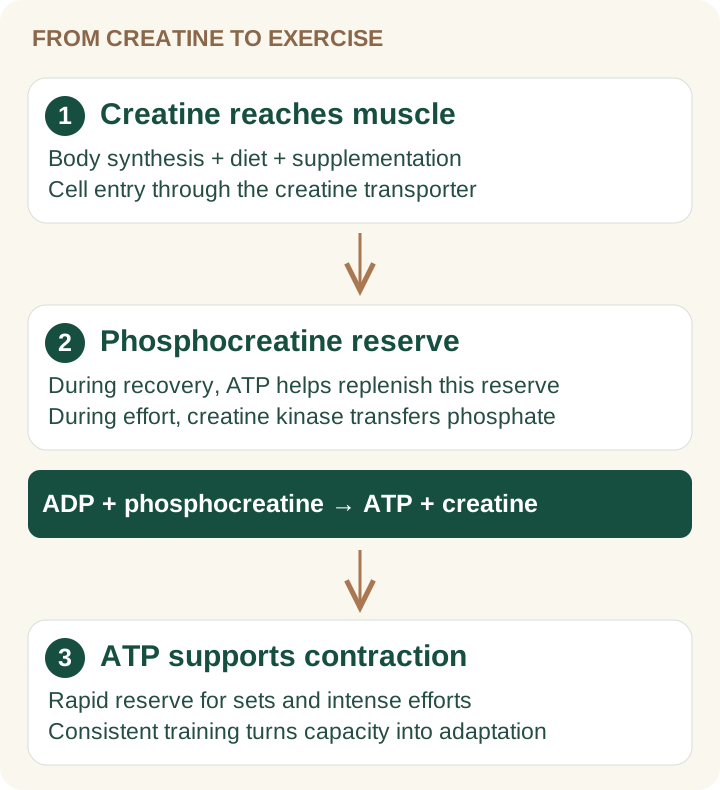
Inside the cell, creatine takes part in an energy transport system:
- In the mitochondria, mitochondrial creatine kinase uses newly produced ATP to form phosphocreatine.
- Phosphocreatine moves to the sites of use: the contractile fibres, the sarcoplasmic reticulum and the cell membrane.
- At the site of use, another form of creatine kinase returns the phosphate to ADP and regenerates ATP in fractions of a second.
- Free creatine returns to the mitochondria to be recharged, closing the cycle.
Figure 1 summarizes this pathway. With a usual diet, muscle stores sit at 60% to 80% of capacity; supplementation raises creatine and phosphocreatine by 20% to 40%. Monohydrate contains 88% creatine by weight and has bioavailability above 99%.
Beyond rapid energy, the 2026 review describes complementary mechanisms, studied mainly in athletes:
- glycogen replenishment, when creatine is taken with carbohydrate;
- calcium handling inside the muscle fibre, important for contraction;
- lower markers of oxidative stress and inflammation after intense exercise;
- cellular hydration: creatine draws water into the fibre, and this osmotic signalling may support recovery.
Learn more about energy buffering
The creatine kinase reaction works as a buffer. In the first seconds of maximal effort, phosphocreatine keeps ATP stable while other energy pathways speed up. In cells with high demand, such as neurons and fast muscle fibres, this system also helps maintain calcium and glutamate balance and protects the mitochondria from overload, a mechanism that motivates research in brain injury and neurodegeneration.
Muscle, strength and recovery
A 2025 meta-analysis pooled 69 studies and 1,937 participants. Supplementation added, on average, 1.43 kg in bench press and 5.64 kg in squat compared with placebo. These are load gains in tests, built over training: a larger reserve allows more quality repetitions, and this extra volume stimulates adaptation.
The benefits extend to other groups:
- People aged 60 or older. A 2026 meta-analysis found an additional strength gain when creatine was combined with training, with moderate certainty. Muscle mass and physical function still need larger studies.
- Postmenopausal women. In seven trials with 608 women, a 2026 meta-analysis found 0.37 kg more lean mass and 7.5 kg more in leg press. The benefit appeared with 5 g or more a day together with strength training; doses of 3 g or less without training showed no effect. Bone density remained similar between groups, and kidney markers were stable.
- Muscle diseases. A Cochrane review showed an average 8.5% increase in strength in muscular dystrophies, and more participants reported improvement with creatine. In metabolic myopathies, such as McArdle disease, there was no strength gain, and high doses worsened daily activities and muscle pain.
For recovery, a meta-analysis of 23 studies found fewer muscle damage markers 48 to 90 hours after a single intense session, with lower inflammation and oxidative stress. In programmes lasting several weeks, some markers were higher in the creatine group, which the 2026 review interprets as part of adaptation to larger training volumes.
The effect depends on the type of effort. In endurance athletes, a meta-analysis of 13 studies found no improvement in aerobic performance. The benefit concentrates on short, intense and repeated efforts.
To assess the result in practice, track:
- load progression and the ability to complete sets;
- strength and function linked to personal goals, such as climbing stairs or carrying weight;
- body composition together with hydration, since part of the early weight gain is water inside muscle.
Brain, cognition and dementia prevention
The brain uses the same phosphocreatine system to keep ATP stable during neuronal activity. In Alzheimer’s disease, failures of brain energy, mitochondrial dysfunction and reduced phosphocreatine buffering capacity appear from the earliest stages, as a 2026 review on dementia describes. This is the biological basis for the interest in creatine.
The challenge is reaching the brain. Creatine crosses the blood-brain barrier through the same SLC6A8 transporter, which has limited capacity. For this reason, brain stores rise modestly and slowly, over weeks, while muscle saturates faster.
What studies show so far:
- Sleep deprivation. In a study of 15 healthy adults, a single high dose (0.35 g/kg, about 25 g for 70 kg) during 21 hours without sleep changed high-energy phosphates in the brain, prevented a drop in brain pH and improved cognitive performance and processing speed. It is a dose far above the usual, tested under metabolic stress.
- Healthy adults. The largest trial on the topic at the time of its publication tested 5 g a day for six weeks in 123 participants. Working memory and reasoning showed, at most, a small and still uncertain effect.
- People aged 55 or older. A 2026 systematic review pooled six studies with 1,542 participants. Five found a positive relationship between creatine and cognition, especially memory and attention. Four of the six studies estimated creatine from diet, and only one had good methodological quality.
- Dementia. The 2026 review screened 8,317 records and found six studies. In cultured neurons, creatine protected against glutamate and beta-amyloid toxicity by maintaining the phosphocreatine/ATP ratio. In animals, results varied: there was benefit in female mice with genetic Alzheimer’s models and no effect, or worsening, in male rats with acute amyloid injury. The only human study followed 20 people with Alzheimer’s disease who took 20 g a day for eight weeks: brain creatine increased by 11%, and fluid cognition and working memory improved.
Dementia prevention is a promising hypothesis, still without a controlled trial. The Alzheimer’s study had no placebo group, and the improvement may reflect practice with the tests. The authors highlight a difference between the sexes: the benefits appeared mainly in females and women, who make up about 65% of people with Alzheimer’s disease. The next step is a randomized trial in early Alzheimer’s disease, with brain imaging to confirm creatine in the brain.
Learn more about neuroprotection
In brain injuries, mechanical stress or lack of oxygen drives calcium and glutamate into neurons, overloads the mitochondria, acidifies the cell and increases free radicals and inflammation. The 2026 review describes how full creatine stores may sustain energy balance and calcium and glutamate gradients at this critical moment. For this reason, creatine is studied in concussion and head trauma, with research still at an early stage.
Mood, sleep and neurological diseases
Depression. In a randomized trial with 52 women with major depression treated with escitalopram, adding 5 g of creatine a day improved symptoms more than placebo from the second week, with the advantage maintained until the eighth. The frequency of adverse effects was similar between groups. The authors propose that creatine restores the energy of brain cells and speeds up the response to the antidepressant. It is a complementary use, within psychiatric treatment.
Sleep. The 2026 review cites a study in women who trained and took 5 g a day for six weeks: they slept about one hour longer on training days.
Parkinson’s disease. The energy hypothesis also motivated a large trial in this disease. In a trial with 1,741 patients, 10 g of creatine a day for at least five years did not change clinical progression, and the study was stopped for lack of benefit. Adverse events were similar to placebo. The result shows that a plausible mechanism needs to be confirmed in people.
From creatine to creatinine: why the blood test changes
Creatine and creatinine are different substances, linked by a transformation that happens every day inside muscle. About 1% to 2% of muscle creatine breaks down spontaneously into creatinine, without enzymes, according to the ISSN position stand. Creatinine leaves the muscle, circulates in the blood and is removed by the kidneys, through glomerular filtration and tubular secretion.
The test value reflects a balance between production and elimination. Estimated glomerular filtration rate (eGFR) equations use creatinine together with variables such as age and sex, but creatinine production can also change with muscle mass, diet and supplementation. When creatine expands stores, creatinine may rise and lower calculated eGFR even without a change in filtration. Figure 2 shows this pathway and how to assess it in clinical context.
A. Why blood creatinine rises
B. How to clarify, according to KDIGO 2024
- Report the use. Creatine, a high-protein diet and intense exercise change creatinine without changing filtration.
- Collect under the right conditions. Twelve hours without meat or fish and, when possible, creatinine measured by an enzymatic method.
- Add cystatin C. The combined creatinine and cystatin C eGFR is the most accurate estimate when the values disagree.
- Check the urine. The albumin-to-creatinine ratio and urinalysis show injury that filtration alone does not reveal.
- Measure filtration with an external marker when the clinical decision depends on accuracy.
The kidney guideline offers a useful comparison: a meal with cooked meat can raise creatinine by about 0.23 mg/dL, equivalent to an apparent drop of 20 mL/min/1.73 m² in eGFR, according to KDIGO. Creatine acts in a similar way, with the difference that the effect persists while muscle stores remain high.
Studies measure the size of this effect:
- Average increase of 0.13 mg/dL. A 2026 meta-analysis of 19 randomized trials found this rise in creatinine, with a confidence interval of 0.07 to 0.18 mg/dL. Urea and eGFR were similar between groups, and the effect was similar with less and more than one month of use.
- Measured filtration preserved. In a randomized trial, trained men on a high-protein diet took creatine for 12 weeks. Filtration was measured with 51Cr-EDTA, a marker independent of muscle: it went from 101 to 109 mL/min/1.73 m² in the creatine group and from 103 to 107 in the placebo group. Proteinuria and albuminuria remained stable.
- Muscle mass weighs on the test. In two large cohorts with more than 13,000 adults, creatinine was strongly associated with muscle mass, while cystatin C showed practically no such relationship. People who train and gain muscle also produce more creatinine.
A 2026 comment in Nature Reviews Nephrology calls this effect a diagnostic trap: the marker most used to assess the kidneys is directly altered by the supplement under evaluation.
How to confirm kidney function: what guidelines say
The international chronic kidney disease guideline, KDIGO 2024, organizes the assessment in steps. It lists “high-protein diets and creatine supplements”, as well as bodybuilding and extreme sport, among the situations in which creatinine loses accuracy and cystatin C helps.
The safest approach for people taking creatine follows this sequence:
- Start with creatinine-based eGFR and record creatine use, dose and duration. The guideline recommends considering changes in non-kidney determinants, such as a recent meat meal, muscle gain or extreme activity, before concluding that filtration has changed.
- Prepare the collection. Whenever possible, collect after 12 hours without meat or fish. The laboratory should use an enzymatic method for creatinine and measure cystatin C in the same sample.
- Measure cystatin C and calculate the combined eGFR. When creatinine eGFR and cystatin C eGFR agree, all three estimates have high and similar accuracy. When they disagree, the combined one is the most accurate. Differences of 15 mL/min/1.73 m² or more appear in 25% to 30% of people.
- Check the urine. The albumin-to-creatinine ratio and urinalysis complete the assessment, because kidney injury can exist with normal filtration.
- Measure filtration directly when the decision depends on accuracy, such as dosing medicines with a narrow margin or critical treatment decisions.
When to look beyond the supplement. Creatinine and cystatin C rising together, new protein or blood in the urine, reduced urine output or changes that persist after stopping creatine call for a full kidney assessment. These signs go beyond the expected effect of the supplement.
Learn more about the limits of cystatin C
Cystatin C does not come from creatine metabolism and is much less influenced by muscle mass. It does, however, have its own interfering factors, such as inflammation, thyroid disease and glucocorticoid use. This is why KDIGO values combining both markers: because each has different determinants, their combination converges on true filtration. Filtration measured with external markers, such as the 51Cr-EDTA used in the trial cited above, is the reference when estimates remain uncertain.
Who needs extra kidney care
Controlled studies indicate that creatine, at recommended doses, is unlikely to harm healthy kidneys. The 2026 comment widens the question: who has less kidney reserve, often without knowing it? A normal eGFR does not, on its own, reveal the full kidney reserve.
People with the following conditions deserve assessment before use:
- known kidney disease or previous acute kidney injury;
- a solitary kidney or malformations of the kidneys and urinary tract;
- preterm birth, which may reduce the number of nephrons;
- high blood pressure, diabetes or kidney stones;
- protein or blood in the urine, even without symptoms.
Risk can also be transient. Strenuous exercise, heat, low fluid intake, vomiting, diarrhoea and fever reduce blood flow to the kidneys, especially with anti-inflammatory drugs such as ibuprofen and naproxen. The author describes an adolescent who developed biopsy-confirmed kidney injury after six days of 20 g a day, with recent use of these anti-inflammatory drugs. KDIGO also cites reports of interstitial nephritis associated with creatine supplements. Case reports point to situations that call for attention, without measuring frequency.
For susceptible people, the comment proposes proportionate measures:
- Baseline assessment. Blood pressure, urinalysis, urine albumin-to-creatinine ratio and kidney function, preferably with creatinine and cystatin C.
- Skip loading. Maintenance doses also saturate muscle, gradually and without a peak in filtered creatine.
- Review total protein. Add up food, powders, shakes and bars; the comment suggests keeping it below 2 g/kg/day until individual assessment.
- Pause in risk situations. Stop creatine during vomiting, diarrhoea, fever or dehydration and avoid anti-inflammatory drugs.
A new question: platelets and cancer
In 2026, an experimental study in Nature Communications opened a new line of research. In mice with tumours, creatine favoured the spread of metastases. The mechanism described involves platelets: creatine is taken up by the bone marrow cells that produce them and makes them more reactive, which slows the clearance of tumour cells from the circulation.
The researchers also tested 11 healthy volunteers who took 20 g of creatine a day for 14 days. These volunteers’ platelets became more reactive and, when transferred to mice, increased lung metastases.
The article itself defines the reach of the finding: the volunteers were young and healthy, cancer is more common in older people, and the authors call for clinical validation in patients with cancer. The human data show a change in platelets, with no cases of cancer. For people with active cancer or under oncology follow-up, the prudent approach is to decide on creatine use together with the team leading the treatment.
Safety and practical use
Creatine monohydrate has a broad safety profile. The ISSN position stand describes use of up to 30 g a day for five years without problems in healthy people and in several patient groups, and a 2026 review reports that analyses of hundreds of trials show no more adverse events than placebo. The most common effects are:
- early weight gain, partly from water inside muscle;
- mild digestive complaints, more frequent with creatine than with placebo in the cognition trial (17% versus 4%), with no dropouts for this reason.
A practical plan has four steps:
- Define the goal. Choose a measure of strength, performance or function to track.
- Review the clinical context. Share previous tests, medicines and kidney and oncology history. Pregnancy, breastfeeding and minors require specific assessment.
- Choose the strategy. The ISSN position stand describes two ways to saturate muscle: 5 g four times a day for five to seven days, followed by 3 to 5 g a day, or 3 g a day from the start, gradually. In studies of postmenopausal women, the benefit appeared with 5 g or more a day, together with training.
- Reassess benefit and tests. Monitor training, digestive symptoms and tests when indicated. When having routine blood tests, report creatine use.
Decision quality. A verifiable goal, known product origin, baseline tests and follow-up proportionate to risk make supplementation an informed choice.
How to choose a creatine product
Start by deciding whether supplementation is appropriate with physicians, pharmacists and dietitians. Monohydrate has the largest research base, as described in the scientific position statement. Compare creatine content, the full ingredient list, allergens and provenance.
This comparison describes manufacturer information. It is neither an efficacy ranking nor laboratory testing of batches currently sold. Formulations and labels can change; check the package you receive. Listed servings are commercial information, not individual prescriptions.
| Product and official page | Declared ingredients | Comparison points |
|---|---|---|
 Max Titanium Creatina 300 g Max Titanium Creatina 300 g | Creatine monohydrate and silicon dioxide anticaking agent. | The ingredient list includes an additional excipient; compare it with your preference for a simpler formula. |
 Integralmédica Hardcore 150 g, neutra Integralmédica Hardcore 150 g, neutra | Creatine monohydrate; no other ingredients in the reviewed unflavored version. | This description applies to the 150 g unflavored powder. |
 Growth Creatina Monohidratada 250 g Growth Creatina Monohidratada 250 g | Creatine monohydrate as the sole ingredient; the page states it contains no gluten. | Standard 250 g version; distinct from the option using Creapure raw material. |
 Soldiers Nutrition Monohidratada 1 kg Soldiers Nutrition Monohidratada 1 kg | Creatine monohydrate as the sole ingredient, according to the official page. | This row refers to the 1 kg package; the page also offers other sizes. |
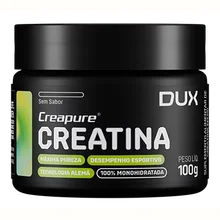 DUX Creatina 100% Creapure 100 g DUX Creatina 100% Creapure 100 g | Creatine monohydrate; the page declares Creapure raw material. | The seal identifies the declared raw material; it does not establish superior clinical benefit. |
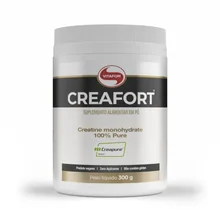 Vitafor Creafort Creapure 300 g Vitafor Creafort Creapure 300 g | Creatine monohydrate using Creapure raw material, according to the official page. | The page identifies the product as 300 g creatine powder. |
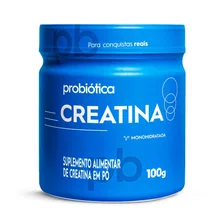 Probiótica Creatina Monohidratada 100 g Probiótica Creatina Monohidratada 100 g | Creatine monohydrate and silicon dioxide anticaking agent. | The page presents the 100 g powder; silicon dioxide appears in the ingredient list. |
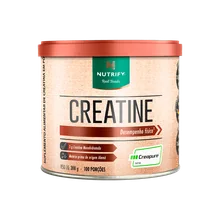 Nutrify Creatine Creapure 300 g Nutrify Creatine Creapure 300 g | Creatine monohydrate as the sole ingredient; Creapure raw material declared. | The page identifies the 300 g unflavored version. Provenance does not demonstrate clinical superiority. |
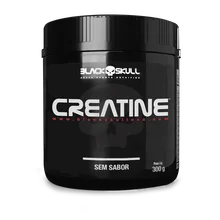 Black Skull Creatine 300 g, sem sabor Black Skull Creatine 300 g, sem sabor | Creatine monohydrate, according to the unflavored version's ingredient table. | This description applies to the 300 g unflavored version; flavored products may differ. |
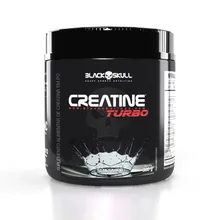 Black Skull Creatine Turbo 300 g, sem sabor Black Skull Creatine Turbo 300 g, sem sabor | Creatine monohydrate and maltodextrin. | This is a blend; compare the declared creatine amount, not just the total jar weight. |
Which option fits your circumstances?
- Budget and a simple formula. Compare monohydrate products with verifiable provenance by the cost of creatine provided. No brand has been established here as clinically superior.
- Allergies and dietary restrictions. Read “may contain” and gluten statements. A single ingredient does not eliminate manufacturing contact with allergens.
- Preference for traceable raw material. Creapure is a creatine monohydrate raw-material brand. The supplier directory and package QS code help check its partner network. The seal alone does not authenticate every jar or guarantee freedom from adverse effects.
- Clinical conditions or digestive symptoms. Kidney history, cancer treatment, medicines and tolerability guide whether to use creatine and how to monitor it. A premium brand cannot resolve contraindications; selection belongs within the care plan.
Compare the cost of creatine provided
Cost per gram of creatine = final price, including shipping, ÷ total declared creatine in the package. Calculate that total by multiplying servings by grams of creatine per serving.
Hypothetical example: 50 servings containing 3 g provide 150 g creatine. At a final price of R$ 60, the cost is R$ 0.40 per gram, or R$ 1.20 for a comparative amount of 3 g. This is a price calculation, not a dose recommendation. Do not count additives or carbohydrates as creatine. Promotional prices change; check current prices through the official links.
What regulatory status and test reports mean
In Brazil, the old description of local notification under the 2018 rules is outdated. RDC 843/2024 and IN 281/2024 require supplements to be notified to Anvisa. The transition extended by RDC 990/2025 ended September 1, 2026. Transitional packaging rules apply; a missing notification number on its own does not establish noncompliance.
Notification is not prior approval of each product or a batch purity certificate. Check the product, responsible company and status in the official Anvisa database, along with enforcement measures. We did not individually verify the regulatory status of every product in this table.
ABENUTRI explains that tests concern specific samples and batches and do not endorse entire brands. A creatine-content result alone does not establish the absence of all contaminants. Look for the batch, date, laboratory, method and tested parameters; retain the receipt and check the seal, manufacturer and expiry date.
Conclusion
Creatine is one of the best-studied nutritional tools for strength and performance in intense efforts, with benefits that reach older adults, postmenopausal women and people with muscle diseases. In the brain and in mood, the mechanisms are promising and clinical studies are still being built.
In blood tests, higher creatinine most often reflects greater production from larger creatine stores. Cystatin C, urinalysis and usage history show when this value deserves investigation. What matters is gaining strength and function with well-monitored kidneys.
References
Scientific studies
Kreider et al., 2017 (ISSN).International Society of Sports Nutrition position stand: safety and efficacy of creatine supplementation in exercise, sport, and medicine. Journal of the International Society of Sports Nutrition. 2017;14:18. · Acessar fonte
Key findings
Official ISSN position stand. Describes synthesis, distribution (95% in muscle), daily conversion of 1% to 2% into creatinine, a 20% to 40% increase in stores and use strategies, with safety up to 30 g/day for five years. Supported by the Council for Responsible Nutrition; authors declared industry ties.
Kerksick et al., 2026.The emerging and evolving evidence supporting creatine as an ergogenic aid: history and applications. Journal of the International Society of Sports Nutrition. 2026;23(1):2646627. · Acessar fonte
Key findings
Narrative review of mechanisms (phosphocreatine shuttle, glycogen, calcium, oxidative stress, inflammation) and applications in strength, recovery, sleep and the brain. Analyses of hundreds of trials show no excess adverse events. Several authors have ties to manufacturers.
Kazeminasab et al., 2025.The Effects of Creatine Supplementation on Upper- and Lower-Body Strength and Power: A Systematic Review and Meta-Analysis. Nutrients. 2025;17(17):2748. · Acessar fonte
Key findings
Meta-analysis of 69 studies and 1,937 participants. Average additional gains of 1.43 kg in bench press and 5.64 kg in squat. Young men predominated; results in women and older adults were smaller or imprecise.
Yao et al., 2026.Effects of resistance training combined with creatine supplementation on muscle strength, physical function, and muscle mass in older adults: a systematic review and three-level meta-analysis. Frontiers in Nutrition. 2026;13:1919884. · Acessar fonte
Key findings
Meta-analysis of 11 trials in adults aged 60 or older. Small strength gain with moderate certainty; muscle mass and physical function uncertain.
Naddafha et al., 2026.Creatine monohydrate for lean mass, strength, and bone density in postmenopausal women: a systematic review and meta-analysis. Journal of the International Society of Sports Nutrition. 2026;23(1):2668435. · Acessar fonte
Key findings
Seven trials with 608 postmenopausal women. Lean mass +0.37 kg and leg press +7.5 kg with 5 g/day or more plus training. No change in bone density; mild adverse events similar to placebo; stable kidney markers.
Kley et al., 2013 (Cochrane).Creatine for treating muscle disorders. Cochrane Database of Systematic Reviews. 2013;(6):CD004760. · Acessar fonte
Key findings
Cochrane review of 14 trials. In muscular dystrophies, an 8.5% increase in strength and more participants feeling better. No gain in metabolic myopathies; in McArdle disease, high doses worsened daily activities.
Doma et al., 2022.The Paradoxical Effect of Creatine Monohydrate on Muscle Damage Markers: A Systematic Review and Meta-Analysis. Sports Medicine. 2022;52(7):1623-1645. · Acessar fonte
Key findings
Meta-analysis of 23 studies. After an intense session, fewer muscle damage markers at 48 to 90 hours and lower inflammation and oxidative stress. Over several weeks of training, some markers were higher.
Fernández-Landa et al., 2023.Effects of Creatine Monohydrate on Endurance Performance in a Trained Population: A Systematic Review and Meta-analysis. Sports Medicine. 2023;53(5):1017-1027. · Acessar fonte
Key findings
Meta-analysis of 13 studies in trained athletes. Creatine did not improve endurance performance.
Whitford et al., 2026.The cognitive effects of creatine supplementation in older adults and preclinical models of dementia: A scoping review. Ageing Research Reviews. 2026;122:103317. · Acessar fonte
Key findings
Scoping review of 8,317 records: six studies, almost all preclinical. Neuronal protection against glutamate and beta-amyloid; mixed animal results, with signs of sex differences. A pilot in 20 people with Alzheimer's disease (20 g/day, 8 weeks) raised brain creatine by 11%, without a control group.
Gordji-Nejad et al., 2024.Single dose creatine improves cognitive performance and induces changes in cerebral high energy phosphates during sleep deprivation. Scientific Reports. 2024;14:4937. · Acessar fonte
Key findings
Study of 15 healthy adults. A single 0.35 g/kg dose during 21 hours without sleep changed brain high-energy phosphates, prevented a pH drop and improved cognitive performance and processing speed. High dose, experimental setting.
Sandkühler et al., 2023.The effects of creatine supplementation on cognitive performance: a randomised controlled study. BMC Medicine. 2023;21:440. · Acessar fonte
Key findings
Crossover trial with 123 participants and 5 g/day for six weeks. Main tests without significant difference; possible small effect. Adverse effects in 17% versus 4%, generally mild.
Marshall et al., 2026.Creatine and Cognition in Aging: A Systematic Review of Evidence in Older Adults. Nutrition Reviews. 2026;84(2):333-344. · Acessar fonte
Key findings
Systematic review of six studies with 1,542 adults aged 55 or older. Five showed a positive relationship with memory and attention; four were cross-sectional, with creatine estimated from diet, and only one had good quality.
Lyoo et al., 2012.A randomized, double-blind placebo-controlled trial of oral creatine monohydrate augmentation for enhanced response to a selective serotonin reuptake inhibitor in women with major depressive disorder. American Journal of Psychiatry. 2012;169(9):937-945. · Acessar fonte
Key findings
Trial in 52 women with major depression taking escitalopram. Adding 5 g/day of creatine improved symptoms more than placebo from week two to week eight, with similar adverse events.
NINDS NET-PD Investigators, 2015.Effect of creatine monohydrate on clinical progression in patients with Parkinson disease: a randomized clinical trial. JAMA. 2015;313(6):584-593. · Acessar fonte
Key findings
Trial in 1,741 patients with early Parkinson's disease. Creatine 10 g/day for at least five years did not change clinical progression; the study was stopped for lack of benefit. Adverse events similar to placebo.
Tsiaras et al., 2026.The Effect of Creatine Supplementation on Kidney Function: A Systematic Review and Meta-Analysis of Randomized Controlled Trials. Journal of Renal Nutrition. 2026. · Acessar fonte
Key findings
Meta-analysis of 19 randomized trials and one crossover. Creatinine +0.13 mg/dL (95% CI 0.07 to 0.18); urea and eGFR without significant difference. Calls for studies longer than one year and in clinical groups.
Lugaresi et al., 2013.Does long-term creatine supplementation impair kidney function in resistance-trained individuals consuming a high-protein diet? Journal of the International Society of Sports Nutrition. 2013;10:26. · Acessar fonte
Key findings
12-week randomized trial in trained men on a high-protein diet. Filtration measured by 51Cr-EDTA similar between groups; stable proteinuria and albuminuria. Small sample.
Groothof et al., 2024.Creatinine, cystatin C, muscle mass, and mortality: Findings from a primary and replication population-based cohort. Journal of Cachexia, Sarcopenia and Muscle. 2024;15(4):1528-1538. · Acessar fonte
Key findings
Two cohorts with 13,470 adults. Creatinine was strongly associated with muscle mass; cystatin C was not. The authors support wider use of cystatin C as a reliable marker.
KDIGO, 2024.KDIGO 2024 Clinical Practice Guideline for the Evaluation and Management of Chronic Kidney Disease. Kidney International. 2024;105(4S):S117-S314. · Acessar fonte
Key findings
International guideline. Lists creatine supplements and high-protein diets among factors that change creatinine and points to cystatin C (Table 8). Advises collection 12 hours after meat or fish, combined eGFR when markers disagree and measured filtration for critical decisions. Cites reports of interstitial nephritis.
Filler, 2026 (Nature Reviews Nephrology).Creatine supplementation and the young kidney. Nature Reviews Nephrology. 2026. · Acessar fonte
Key findings
Comment by a paediatric nephrologist. Calls a lower eGFR without kidney injury a diagnostic trap, lists susceptible groups and proposes harm reduction: avoid loading, limit total protein, pause during vomiting, diarrhoea or fever and avoid anti-inflammatory drugs. Opinion piece.
Xie et al., 2026 (Nature Communications).Exogenous creatine supplementation promotes tumor metastasis via megakaryocyte creatine kinase B-STAT5B signaling. Nature Communications. 2026;17:8662. · Acessar fonte
Key findings
Experimental study. In mice, creatine favoured metastasis through platelet activation. In 11 healthy volunteers, 20 g/day for 14 days made platelets more reactive. Clinical studies in people with cancer are still needed.
Informational content. Health recommendations and protocols require individual assessment by qualified professionals.